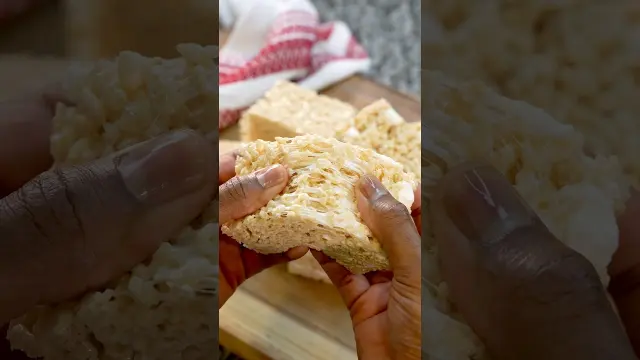
 Classic Brown Butter Rice Krispy Treats
#Dessert Recipe
13 ideas
Classic Brown Butter Rice Krispy Treats
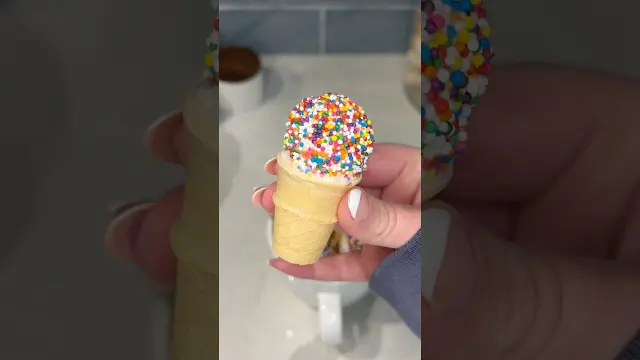 Mini Confetti Sugar Cookie Cake Pop Cones
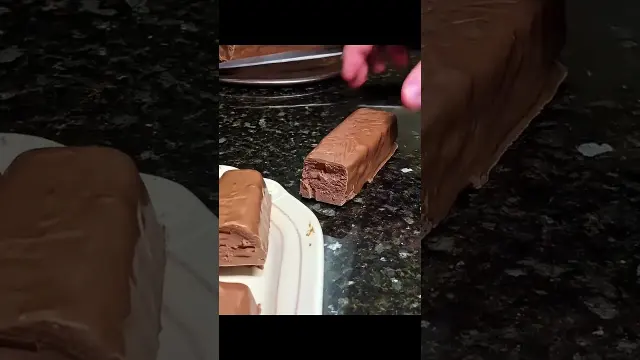 Flourless Homemade Chocolate Protein Bars Recipe
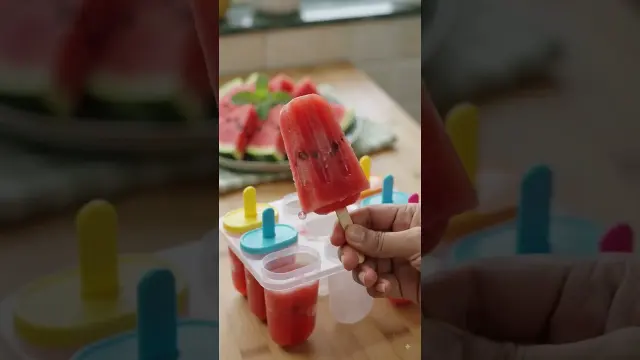 Five Easy and Refreshing Homemade Ice Cream Recipes
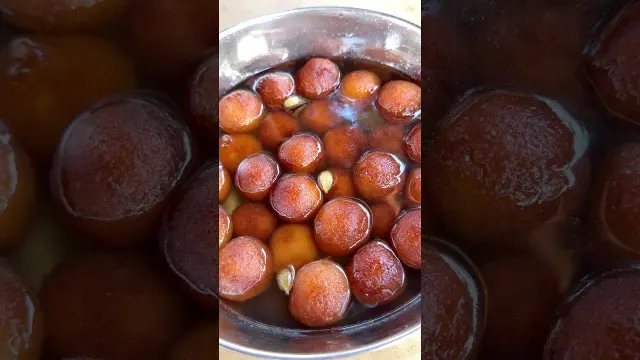 Traditional Homemade Suji and Milk Powder Gulab Jamun
 Natural Homemade Chocolate with Dates and Nuts
 High Protein Chocolate Lava Cake Recipe with Cacao
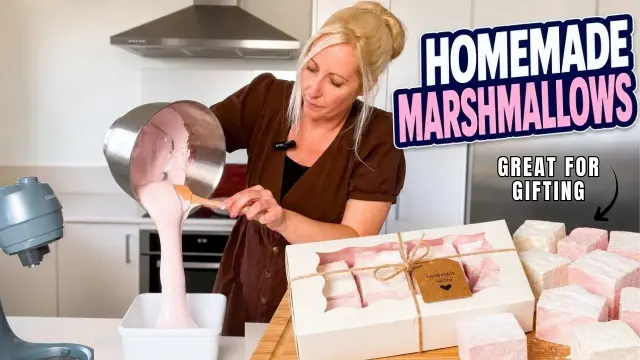 Easy Homemade Marshmallow Recipe For Gifting
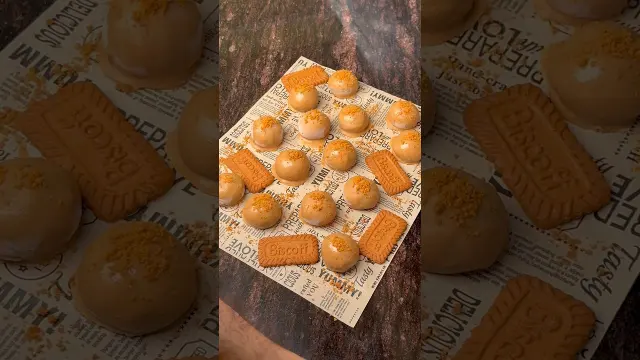 Biscoff Chocolate Truffles with Crisp Shell and Fudgy Center
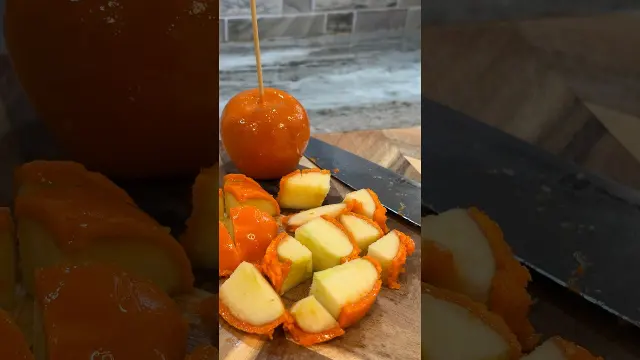 Making Homemade Candy Apples With a Smooth Glassy Shell
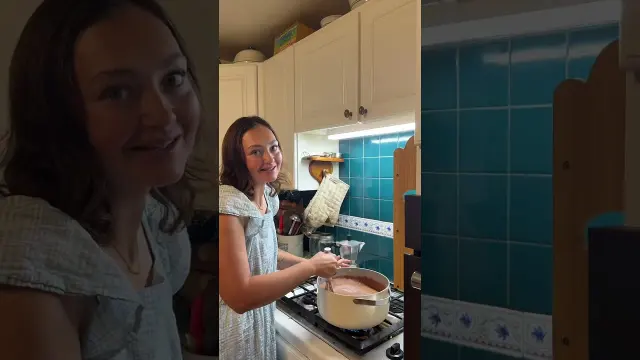 Simple Homemade Chocolate Pudding Recipe for Families
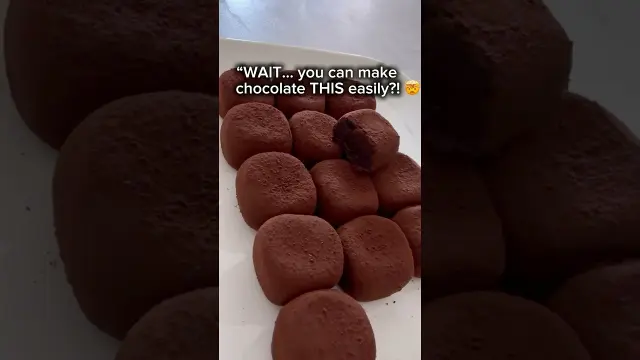 Viral Three Ingredient Homemade Chocolate Bars
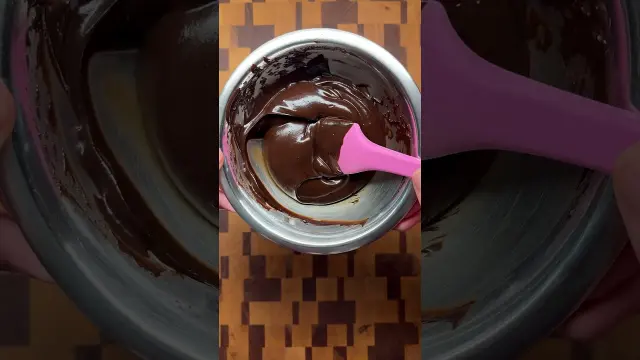 How to Make Smooth Dark Chocolate Ganache Three Ways
Get new #Dessert Recipe ideas by email
Every Thursday: the week's best ideas, with the newest from #Dessert Recipe.
Related tags
Dessert Recipes: Sweet Ideas for Every Occasion
What dessert recipes are
Dessert recipes are the sweet dishes served at the end of a meal or enjoyed as a treat on their own. They can be simple or elaborate, baked or chilled, rich or light. Some desserts are meant to be shared at family gatherings, while others are easy enough for an everyday craving.
Desserts have been part of home cooking in many cultures for a long time. They often grow out of local ingredients and traditions: milk, sugar, fruit, flour, nuts, spices, chocolate, and eggs are common building blocks. From puddings and custards to cakes, pastries, frozen desserts, and candies, dessert recipes cover a wide range of styles and techniques.
Common types of dessert recipes
Read more
You’ll find a few broad groups again and again:
- Baked desserts: cakes, brownies, cookies, pies, crumbles, and bars
- Creamy desserts: puddings, custards, mousse, cheesecake, and ganache-based treats
- Frozen desserts: ice cream, sorbet, semifreddo, and no-churn recipes
- Candy-style sweets: truffles, fudge, marshmallows, brittle, and coated fruits
- Fruit desserts: tarts, compotes, baked fruit, parfaits, and fruit salads
Each type has its own texture and method. Baked desserts usually rely on careful mixing and oven temperature. Creamy desserts often depend on gentle cooking or chilling. Frozen desserts need attention to temperature and timing so they stay smooth. Candy-style recipes can be very simple, but they often require precision.
Techniques that matter
If you’re new to dessert making, a few basic skills will help a lot:
- Measuring carefully: desserts can be sensitive to small changes
- Mixing properly: overmixing or undermixing can affect texture
- Understanding heat: ovens, stovetops, and freezers all behave differently
- Cooling and setting: many desserts need time to firm up before serving
- Tasting as you go: sweetness, richness, and balance are important
It also helps to know the role of each ingredient. Sugar does more than sweeten; it can affect browning and texture. Fat adds richness and tenderness. Eggs can bind, thicken, and structure. Flour gives body in baked goods, while chocolate, cream, fruit, and nuts bring flavor and contrast.
Tips for beginners
Start with recipes that have a short ingredient list and clear steps. Choose desserts that match your confidence level: a simple pudding or fruit crisp is often easier than a layered cake or delicate pastry. Read the whole recipe before beginning so you understand the timing, chilling, and baking steps.
Use good-quality ingredients, but don’t feel you need complicated ones. Many classic desserts work beautifully with pantry staples. Also, give desserts enough time to cool or set. A dish that seems too soft warm may become just right after resting.
How to make desserts feel complete
A dessert often becomes more memorable when the textures and flavors balance each other. Something creamy can benefit from crunch. Something sweet may need a little salt or tart fruit. A rich dessert can feel lighter with a simple garnish or a small serving.
When you make dessert recipes at home, you get to decide how simple or indulgent they should be. That flexibility is part of the appeal. Whether you’re baking for guests or making something just for yourself, dessert can be a warm, satisfying way to finish a meal.
Videos come from YouTube and posts from Instagram; titles and summaries are our own. All rights belong to their creators.