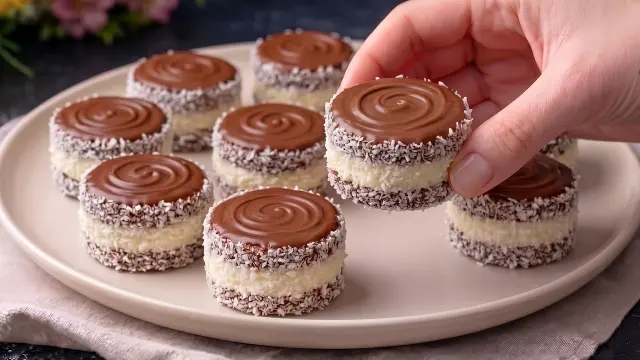
 The Best Dessert I've Ever Eaten with 3 Easy Dessert Recipes
#Dessert Recipes
37 ideas
The Best Dessert I've Ever Eaten with 3 Easy Dessert Recipes
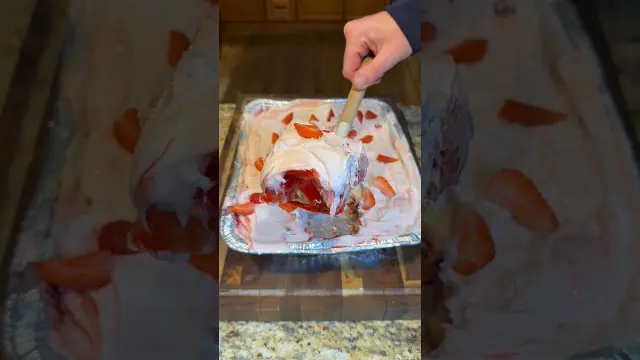 Strawberry Pound Cake Dessert Inspiration
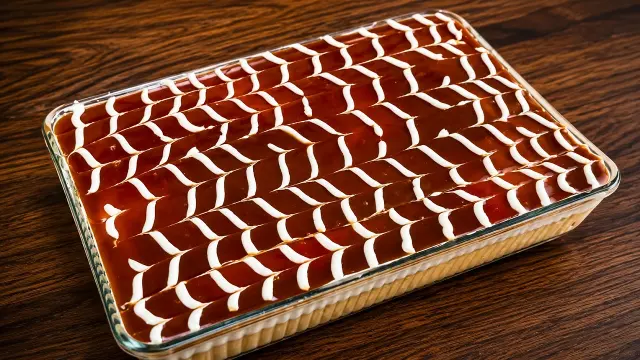 Soft and Creamy Homemade Trilece Milk Cake Recipe
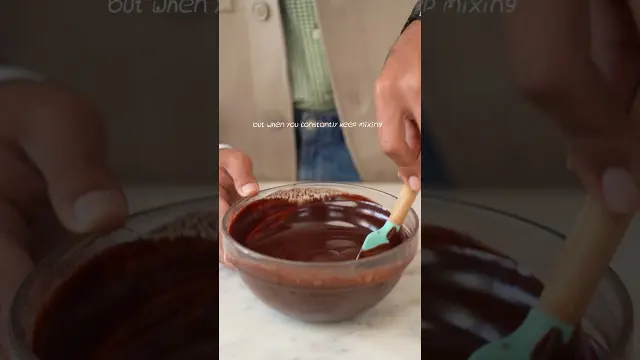 Easy Chocolate Ganache Made with Water and Chocolate
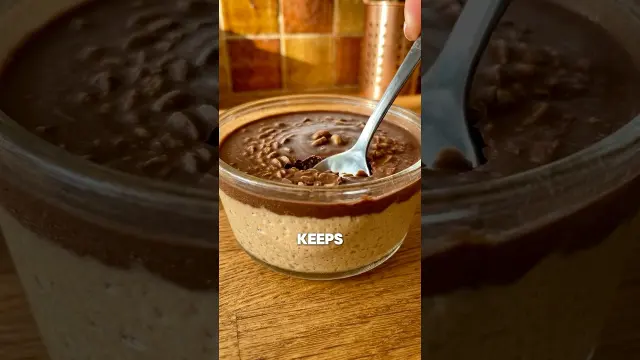 High-Protein Reese's Yogurt Cups Healthy Swap Recipe
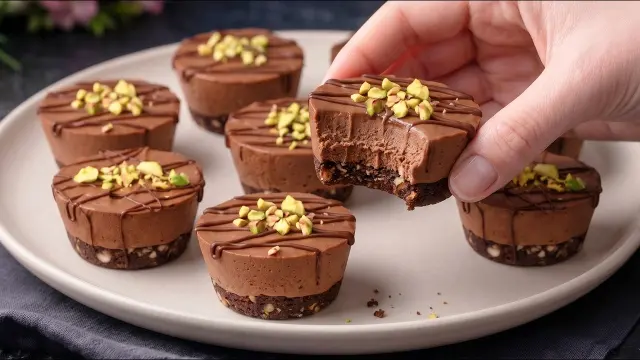 Just Mix, Chill & Enjoy! 2 Easy No-Bake Dessert Recipes
 Trilece Turkish Milk Cake with Caramel Topping
 Thirteen Clever Boxed Cake Mix Hacks and Recipes
 Five Ingredient Apple Cake Easy Recipe
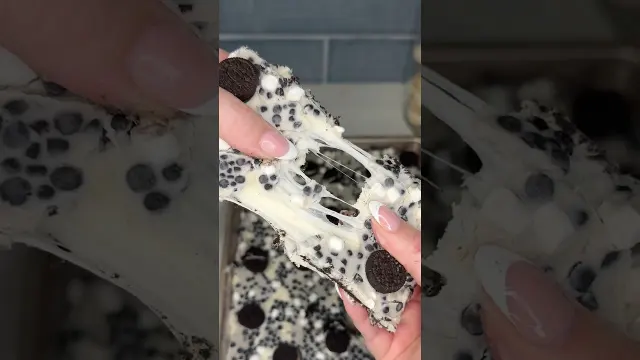 Quick Oreo Bark Chocolate Dessert Recipe
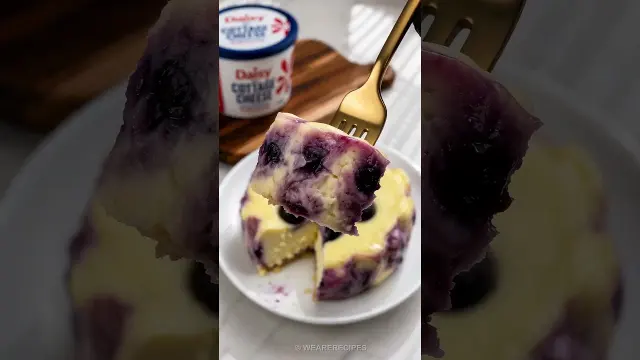 High-Protein Blueberry Lemon Cheesecake
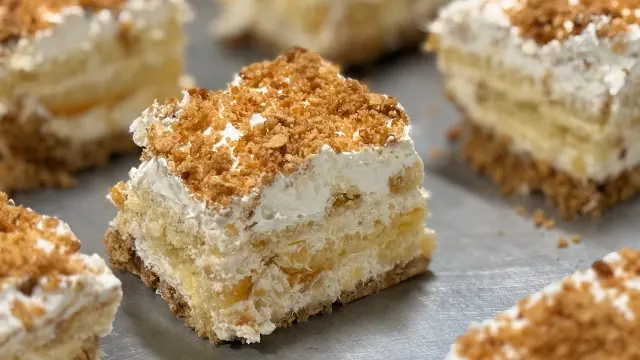 Pineapple Dream Cheat Cake Dessert Recipe
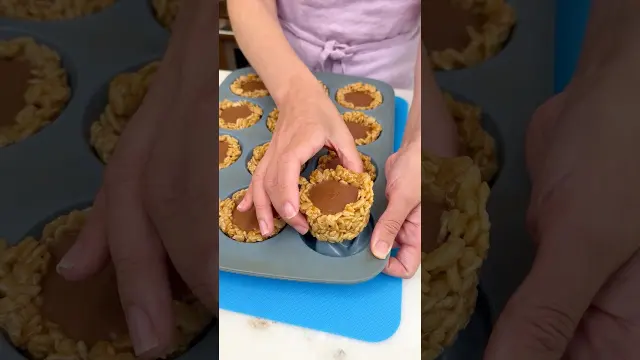 Peanut Butter and Chocolate Family Recipe Dessert
Get new #Dessert Recipes ideas by email
Every Thursday: the week's best ideas, with the newest from #Dessert Recipes.
Related tags
Dessert Recipes and Sweet Treat Ideas
What dessert recipes are
Dessert recipes are instructions for making sweet dishes served after a meal or enjoyed as a treat. They can be simple, like fruit with cream, or more elaborate, like cakes, pastries, custards, puddings, and frozen desserts. Across many cultures, desserts have long been part of celebrations, family meals, and everyday cooking.
The word “dessert” usually refers to the final course of a meal, but dessert recipes also cover snacks and special bakes made for sharing. They often balance sweetness with texture, freshness, richness, or a little acidity, so the finished dish feels satisfying rather than overly heavy.
Common kinds of desserts
Read more
There are many broad types of dessert recipes, and each one works a little differently.
- Cakes and cupcakes: baked sweets that can be layered, frosted, filled, or left simple
- Cookies and bars: easy to portion, transport, and serve
- Puddings and custards: smooth, spoonable desserts made with milk, cream, eggs, or starch
- Pies and tarts: desserts with a pastry base and often fruit, cream, or chocolate fillings
- Mousses and creams: light, airy desserts with a soft texture
- Frozen desserts: ice cream, sorbet, and semifreddo-style treats
- Fruit desserts: compotes, crumbles, baked fruit, and fruit salads
- Candy-like sweets: fudge, truffles, and other rich bite-sized treats
Many dessert recipes combine more than one category, such as a cake with cream filling, a tart with fruit, or a trifle made with sponge, custard, and fruit.
What makes a good dessert recipe
A good dessert recipe gives a clear balance of flavor, texture, and structure. Sweetness is important, but so are moisture, richness, and contrast. A soft filling may need a crisp base, while a dense cake may benefit from a light cream or fresh fruit.
When you choose a dessert recipe, think about:
- the season and what ingredients taste best together
- how much time you have
- whether you want something baked, chilled, or no-bake
- how many people you need to serve
- how easy it will be to transport or store
Techniques beginners should know
If you are new to desserts, start with a few basic techniques. Measuring carefully matters, especially in baking, where small changes can affect the result. It helps to read the whole recipe before you begin so you understand the steps and resting times.
Some useful skills include:
- creaming butter and sugar for a lighter cake texture
- folding gently so batters and mousses stay airy
- whisking custards until smooth and even
- testing baked goods without overbaking them
- cooling desserts fully before filling or decorating
Patience is often important. Many desserts set, chill, or firm up after cooking, and cutting too soon can affect the texture.
Practical tips for home baking
To make dessert recipes more reliable, use ingredients at the temperature the recipe suggests. Prepare tins, pans, or molds in advance. If a recipe includes layering, cooling each layer properly usually gives the neatest result.
You can also make simple desserts feel special with small finishing touches:
- fresh fruit
- a dusting of sugar or cocoa
- lightly whipped cream
- toasted nuts
- a smooth glaze or sauce
If you are adapting a recipe, change one thing at a time. For example, try a different fruit or flavoring before altering the structure of the dessert. That makes it easier to understand what works.
Serving and storing desserts
Some desserts are best eaten fresh, while others improve after chilling or resting. Cakes, bars, and cookies often keep well, while custards and whipped desserts may need more careful handling. Always store desserts in a suitable container and keep chilled items cold until serving.
Dessert recipes are a good place to practice creativity, but they are also forgiving. Even a simple recipe can feel generous and memorable when the flavors are balanced and the texture is right.
Videos come from YouTube and posts from Instagram; titles and summaries are our own. All rights belong to their creators.