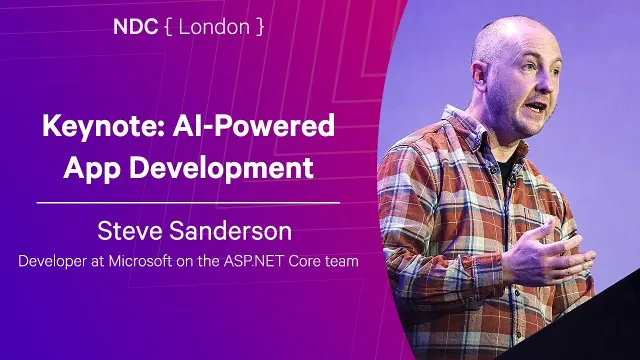
 Conference Keynote on AI-Powered App Development
#Developer Conference
1 ideas
Conference Keynote on AI-Powered App Development
Get new #Developer Conference ideas by email
Every Thursday: the week's best ideas, with the newest from #Developer Conference.
Related tags
Developer Conference: A Guide to Getting the Most From It
A developer conference is an event where people who build software gather to learn, compare notes and spend time together. The name covers a lot of ground: some are large multi-day affairs with parallel tracks and an exhibition hall, others are small single-track gatherings run by a community or a single company. What they share is a schedule built around talks, demos, workshops and conversation rather than sales pitches, and an audience that writes, tests, designs or operates code for a living.
Conferences grew out of the user groups and technical meetups that formed around programming languages and platforms in the early decades of computing. As tools became more specialised, those informal gatherings turned into structured events with published programmes, and the format has barely changed since: sessions in the morning and afternoon, coffee in between, and hallways that end up mattering more than the agenda.
The main kinds
Large general conferences cover the whole field and suit people who want breadth and a sense of where the industry is heading. Language- or platform-specific events go deep on one ecosystem and are usually the better choice if you are hiring or learning in that area. Community-run conferences tend to be cheaper, more informal and more open to first-time speakers. Then there are the smaller formats: meetups, hack days, workshops and unconference "open space" events where the schedule is decided on the day by whoever shows up.
Read more
What beginners should know
You do not need to be an expert to attend. Most conferences have introductory tracks, and a good talk assumes interest rather than prior mastery. Read the programme in advance and mark two or three sessions per day rather than trying to see everything; over-scheduling is the most common mistake, and half your value comes from the gaps between talks. If a workshop requires setup, do it the night before, not in the room.
Practical tips
- Talks are often recorded, so prioritise live things — workshops, demos, conversations — over anything you can watch later.
- Sit near the front of a small session and ask one question; you will remember more of it.
- Talk to the people around you at breaks. A simple "what brought you here?" works.
- Bring a notebook or a single note file and write down one thing per session you want to try at work.
- Follow up within a few days with anyone you exchanged contacts with, while the conversation is still fresh.
- Take the last day lightly if you are travelling. Leaving with energy is better than catching the final talk.
Finally, treat the conference as a starting point rather than an education in itself. The talks will fade faster than the people you met and the ideas you wrote down. Go in with a question you actually care about, and you will come out with more than a bag of stickers.
#Developer Conference: frequently asked questions
Do I need to be an experienced developer to attend a developer conference?
No — most events are built with newcomers in mind, and plenty of sessions assume curiosity rather than deep prior knowledge. Introductory tracks and beginner-friendly workshops are common, and the informal conversations between sessions are often where newcomers get the most out of being there. Pick sessions that match where you actually are rather than where you think you should be.
How do I choose between a big general conference and a smaller community event?
Large general conferences give you breadth and a sense of where the field is heading, which suits people exploring widely or deciding what to learn next. A language- or platform-specific event goes deeper into one ecosystem, so it pays off when you are working in that area or hiring for it. Community-run and small-format gatherings tend to be more informal and friendlier to first-time speakers and attendees.
What should I prepare before the conference starts?
Read the programme ahead of time and mark a small handful of sessions you genuinely care about, leaving room for the unplanned parts. If a workshop needs software installed or an account set up, do that the night before rather than in the room. Bring one notebook or a single note file so your thoughts don't scatter across devices.
How do I get the most out of a developer conference while I'm there?
Favour the live things you can't replay later — workshops, demos and conversations — since recorded talks can be watched anytime. Sit near the front in smaller sessions and ask a question, and use breaks to talk to whoever is standing next to you. Jot down one takeaway per session you'd actually try at work, rather than transcribing everything.
What are the common mistakes first-time attendees make?
The big one is over-scheduling: trying to see everything leaves no room for the hallway conversations that often matter more than the agenda. Another is skipping the setup for a workshop until you're already seated, or leaving follow-ups with new contacts until the memory has gone cold. Going in without a question you actually care about also makes the whole thing blur together afterwards.
Is a conference worth it if the talks are recorded and published later?
Yes, because the value sits mostly outside the recordings — the people you meet, the questions you get answered on the spot, and the demos you can poke at. Treat the schedule as a starting point rather than an education in itself, and plan to follow up with your new contacts while the conversations are still fresh. Leaving with a few ideas and a few names beats leaving with a full notebook.
Videos come from YouTube and posts from Instagram; titles and summaries are our own. All rights belong to their creators.