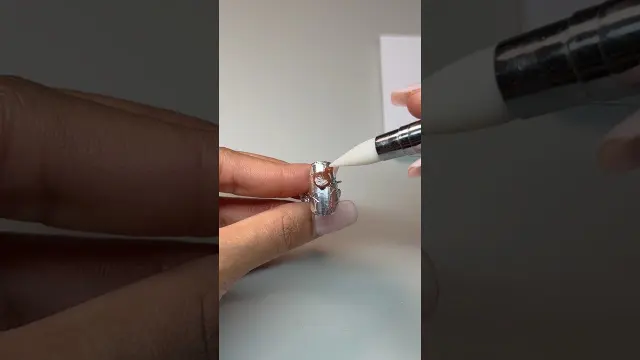
 Testing the Kitchen Foil Hack for Making 3D Nail Art
#DIY Beauty
4 ideas
Testing the Kitchen Foil Hack for Making 3D Nail Art
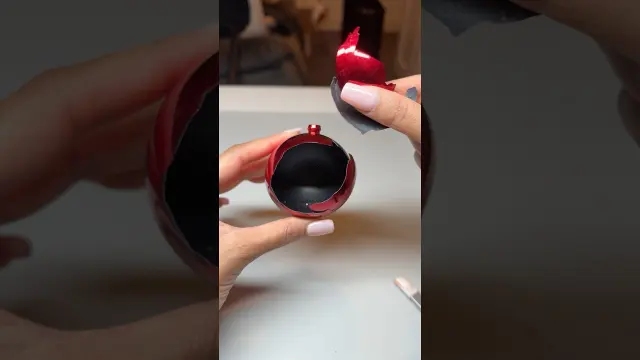 Christmas Decoration Turned Into Nail Art: A Festive Manicure Experiment
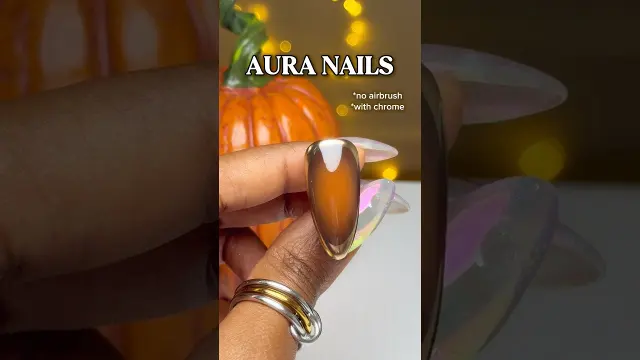 DIY Aura Nails at Home Using Eyeshadow Instead of an Airbrush
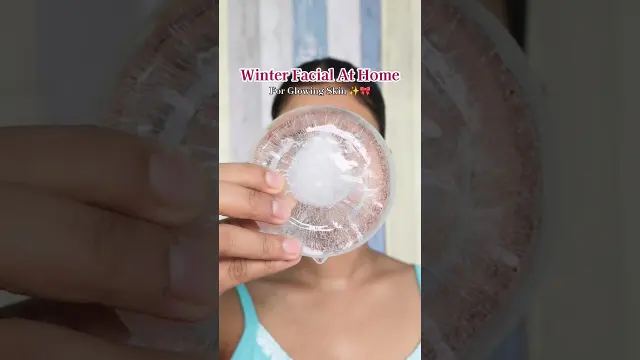 At-home winter facial routine for cold-weather skin
Get new #DIY Beauty ideas by email
Every Thursday: the week's best ideas, with the newest from #DIY Beauty.
Related tags
DIY Beauty: Making Skincare and Makeup at Home
DIY beauty means making your own cosmetics, skincare and personal care products instead of buying them ready-made. The appeal is straightforward: you know exactly what goes into the jar, you can adjust a recipe to suit your own skin or hair, and you can often work with ingredients that are already in your kitchen cupboard.
Where it comes from
Mixing your own beauty preparations is far older than the cosmetics industry. Households have made their own cleansers, scrubs, hair rinses and tinted powders for generations, passing recipes down informally. What changed recently is access: ingredient lists are easy to find, small batches of carrier oils and clays are widely sold, and tutorials have made techniques that once required a professional easy to try at home.
The main kinds
Read more
Most DIY beauty projects fall into a few familiar groups:
- Cleansers and masks, built on clay, honey, yogurt, oats or plain carrier oil.
- Scrubs and exfoliants, usually sugar or salt suspended in oil.
- Balms, salves and simple moisturisers, made by melting waxes and butters together.
- Hair treatments, from pre-wash oiling to conditioning masks and vinegar rinses.
- Colour and nail projects, such as tinted lip balms, blush from mineral powders and hand-painted nail art.
- Bath and body items, including bath soaks, body butters and solid soaps.
Techniques worth learning
A few skills carry across nearly every project. Melting and blending is the basis of balms and body butters, and it teaches you how ingredient ratios change texture. Emulsifying, or getting water and oil to stay mixed, is the harder step behind lotions and creams. Infusing oils with dried herbs or flowers is a slow, patient technique that produces ingredients for other recipes. For colour cosmetics, the skill is mostly in pigment blending and in keeping tools scrupulously clean.
What to know before you start
Start with one-ingredient or two-ingredient projects. A single oil, a simple salt scrub or a clay mask teaches you how your skin responds before you commit to a complicated formula.
Keep batches small. Anything made with water, fruit, dairy or fresh botanicals spoils quickly and should be treated as perishable — make only what you will use in a few days, store it in the fridge, and throw it out at the first change in smell or texture. Oil-only preparations last longer but still benefit from cool, dark storage.
Work clean. Wash your hands, sterilise jars with hot water, and use a spoon or spatula rather than fingers. Avoid putting anything back into a container once it has touched skin.
Patch test everything. Apply a small amount to your inner arm and wait a day before using it more widely. Dilute essential oils heavily, and be cautious with citrus juices and other ingredients that make skin more sensitive to sunlight. Skip harsh additions such as undiluted acids or strong alcohol.
Finally, treat DIY as care rather than cure. If you have a skin condition, an allergy or a reaction that persists, ask a qualified professional rather than experimenting further.
#DIY Beauty: frequently asked questions
How do I start with DIY beauty if I’m a beginner?
Start with very simple projects, like a single oil treatment, a basic clay mask, or a salt or sugar scrub. This helps you learn how your skin or hair responds before trying more complicated recipes.
What do I need to make DIY beauty products at home?
Most projects only need a few common ingredients, plus clean jars, a spoon or spatula, and a bowl for mixing. Useful basics include carrier oils, clays, oats, waxes, butters, sugar, or salt, depending on the recipe.
Which type of DIY beauty project should I choose first?
Choose a project that matches your goal, such as a mask for a quick skin treat, a balm for dryness, or a hair rinse if you want something for the scalp or lengths. If you want the easiest start, pick oil-based or dry ingredient recipes before moving on to lotions and creams.
How should I care for DIY beauty products so they stay safe to use?
Keep everything clean, store finished products in cool and dark places, and use fresh containers and utensils each time. Anything with water, dairy, fruit, or fresh botanicals should be made in small amounts and discarded quickly if the smell or texture changes.
What are some good DIY beauty ideas for a special occasion or fun look?
Nail art is a popular option for a playful or festive look, including painted designs and creative texture effects. You can also make tinted lip balm, blush, or a simple glow-enhancing face treatment for an occasion-ready finish.
What mistakes should I avoid when making DIY beauty products?
Avoid using ingredients straight on the skin when they need dilution, and be careful with citrus or other ingredients that can make skin more sensitive. Also, do not reuse products after they have touched skin, and stop experimenting if something causes irritation.
Videos come from YouTube and posts from Instagram; titles and summaries are our own. All rights belong to their creators.