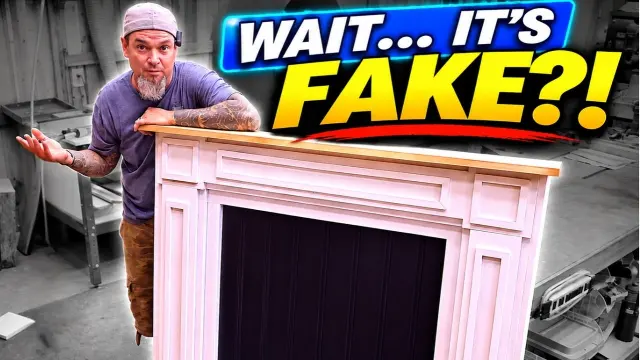
 How to Build a DIY Faux Fireplace for Seasonal Decor
#DIY Faux Fireplace
1 ideas
How to Build a DIY Faux Fireplace for Seasonal Decor
Get new #DIY Faux Fireplace ideas by email
Every Thursday: the week's best ideas, with the newest from #DIY Faux Fireplace.
Related tags
DIY Faux Fireplace: Ideas, Materials and Tips
A faux fireplace is a decorative feature that imitates the look of a real fireplace without any fire, chimney or gas line. It usually consists of a frame shaped like a fireplace opening, often topped with a mantel, and it can be placed against a wall, in a corner or in the middle of a room. People build them to add warmth and a focal point to a space, to make a room feel cosy, or simply because they love the classic look of a mantel with objects arranged on it.
The idea is old and comes from the wish to bring the character of a hearth into rooms that have no working fireplace. Over time, stage sets, theatres and historic houses have used decorative mantels to create atmosphere, and the same appeal works well in apartments and modern homes today.
Common styles
Faux fireplaces come in many looks, and choosing one first makes the rest of the project easier:
Read more
- Classic: a painted wooden surround with moulded edges and a simple mantel shelf.
- Rustic: rough-sawn or reclaimed-looking boards, a chunky mantel and a warm, natural finish.
- Minimalist: clean straight lines, a plain box shape and a single neutral colour.
- Freestanding: a self-supporting frame that can be moved around, useful for renters.
- Wall-mounted: a flat panel or surround fixed to the wall, which takes up very little floor space.
Materials and techniques
Lightweight materials are the most practical choice for a DIY build. Plywood, MDF and softwood boards are easy to cut and paint. Foam board or thin trim can be used for decorative details without adding much weight. Paint, wood stain or a limewash-style finish can change the mood completely, so it is worth testing samples on a scrap piece first.
If you are new to building, keep the design simple. A rectangular frame with a flat mantel is far easier than an arched design with curved trim. Measure the wall space carefully, leave room for furniture and check that the piece is stable, especially if it will be freestanding. Securing a wall-mounted version properly is important for safety.
Practical tips
- Decide on the size before buying materials, and mark the dimensions on the floor with masking tape.
- Sand edges smoothly and prime before painting for a neater result.
- Add a shelf depth that suits your decor; a deeper mantel holds more objects.
- Use battery-powered candles or LED lights inside the opening, and never place real flames in a faux structure that is not designed for them.
- Style the mantel in layers: a mirror or piece of art, a few plants, candles, books or seasonal objects of different heights.
A well-made faux fireplace can last for many years and be updated easily with new paint, new accessories or a different arrangement. Take your time with the planning, and enjoy the process of creating a warm and welcoming corner in your home.
#DIY Faux Fireplace: frequently asked questions
How do I start a DIY faux fireplace project without getting overwhelmed?
Start by choosing the spot and deciding the overall size, then mark those dimensions on the floor with tape so you can see how the piece will sit in the room before you commit. Pick a simple, boxy shape for a first attempt, since straight cuts and a flat mantel are far more forgiving than curves and arches. Once the plan is settled, gather your materials and work through the build in stages rather than all at once.
What materials and tools do I actually need to build one?
Lightweight sheet goods such as plywood, MDF or softwood boards form the main structure, with thin trim or foam board for any decorative detail. You will want a saw, a drill, sandpaper, wood filler, primer and paint, plus a level and a stud finder if the piece will hang on a wall. Battery-powered candles or LED lights are the safe way to give the opening a glow.
Which style of faux fireplace should I choose?
It comes down to the room and how permanent you want the piece to be: a freestanding frame suits renters and people who like to rearrange, while a wall-mounted surround saves floor space in a tight room. From there, pick a look that matches your existing decor, whether that is a classic moulded surround, a chunky rustic mantel or a plain minimalist box. Settling the style first makes the materials, finish and accessories much easier to decide.
How do I keep a faux fireplace looking good over time?
Dust the mantel and surround regularly with a soft cloth and wipe painted surfaces with a barely damp cloth rather than a soaking one. Touch up scuffs and chips with leftover paint so the finish stays even, and check periodically that a wall-mounted version is still firmly fixed. Swapping the accessories with the seasons keeps the piece feeling fresh without any rebuilding.
What are the most common mistakes people make with these builds?
The biggest one is skipping the planning stage and buying materials before the size and placement are settled, which often leads to a piece that crowds the furniture or looks out of scale. Another is rushing the finish, since unsanded edges and unprimed surfaces show through paint. Finally, people sometimes put real candles inside the opening, which is unsafe in a structure not built for them, or leave a tall freestanding frame unsecured.
Videos come from YouTube and posts from Instagram; titles and summaries are our own. All rights belong to their creators.