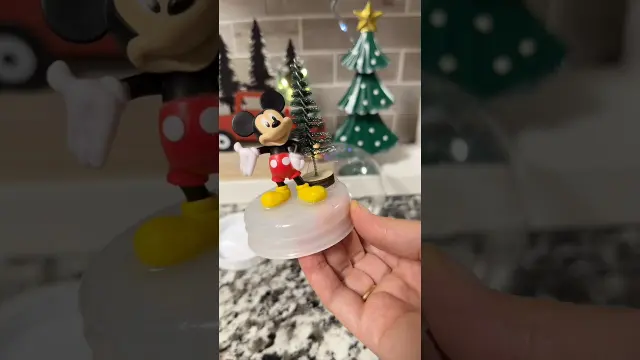
 Make Your Own Snow Globe With Dollar Tree Supplies
#Budget DIY
3 ideas
Make Your Own Snow Globe With Dollar Tree Supplies
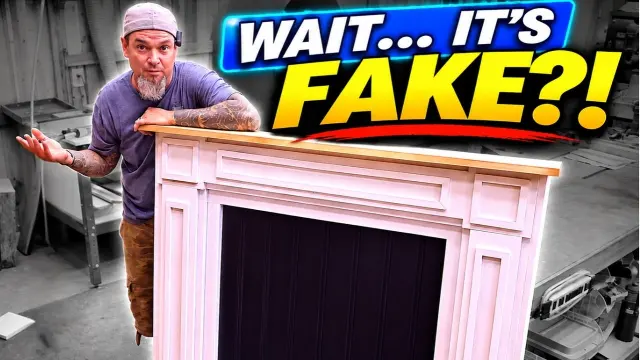 How to Build a DIY Faux Fireplace for Seasonal Decor
 Affordable IKEA Hacks to Make Your Home Feel Cozy
Get new #Budget DIY ideas by email
Every Thursday: the week's best ideas, with the newest from #Budget DIY.
Related tags
Budget DIY: Making Things Yourself for Less
Budget DIY is simply the habit of making, repairing and decorating with your own hands while keeping a close eye on what you spend. It sits somewhere between craft and thrift: you might be mending a jumper, turning a pallet into a shelf or dressing a rented room with fabric rather than furniture. The appeal is not only the money saved. Working this way teaches you how things are put together, and it tends to produce a home that looks like nobody else's.
Making do is an old idea, older than any shop. Households have always patched clothes, sharpened tools and reused containers because replacing things was expensive or simply not possible. What has changed is how visible the hobby has become: craft fairs, sewing groups and shared workshops have turned practical skills back into something people choose to learn, rather than something they inherit.
The main kinds of projects
- Repair: fixing a wobbly chair leg, replacing a zip, patching a hem. Often the cheapest project you can start with.
- Upcycling: giving a tired object a second life, from painting furniture to sewing a tote from an old curtain.
- Home decor: shelves, notice boards, plant stands, photo frames and small pieces of furniture made from offcuts.
- Textiles: cushions, curtains, aprons and simple clothing, all forgiving for beginners.
- Garden and outdoor: raised beds, planters, trellises and simple seating.
Read more
What beginners should know
Start with something small and finishable. A completed cushion cover teaches more than an abandoned wardrobe. Before you buy anything, take stock of what you already own: tools, fabric, paint, wood. Many beginner projects are mostly about rearranging materials you have.
Work out the real cost before you begin. A project only stays budget-friendly if you count the extras: fixings, glue, sandpaper, blades, the second trip to the shop. It also helps to decide your ceiling in advance and to be honest about which part of the job you are willing to pay for.
Buying second-hand is where most of the saving lives. Charity shops, car boot sales, building salvage yards and neighbourhood giveaway groups are good places for materials, and so are offcut bins at timber yards and fabric shops. Ask relatives about forgotten tools; a great deal of good equipment sits unused in cupboards.
Learn one skill at a time. Measuring and cutting accurately, then drilling, then sewing a straight seam: each one makes the next project easier. Watching a few tutorials and then practising on scrap is usually enough to start.
Practical tips
- Measure twice, cut once, and write measurements down.
- Keep a box for offcuts and leftovers; they become the next project.
- Test paint and finishes on a hidden area first.
- Work in a ventilated space and read the labels on adhesives, paints and solvents.
- Borrow specialist tools rather than buying them for one job.
- Keep a small notebook of ideas and prices so you can plan without impulse spending.
Budget DIY rewards patience more than talent. Choose projects you will genuinely use, and the saving becomes a happy side effect.
#Budget DIY: frequently asked questions
How do I start with budget DIY if I’m a beginner?
Start with a small project you can finish in one sitting, like a cushion cover, a simple shelf, or a basic decorative piece. The easiest way to keep costs down is to use what you already have, then add only the materials you truly need.
What tools and materials do I need for budget DIY projects?
The basics usually include measuring tools, cutting tools, glue or fixings, and whatever material matches your project, such as fabric, paint, wood, or a repurposed item. It also helps to keep leftover scraps, since offcuts and spare pieces often become part of the next project.
Which type of budget DIY project is best to choose first?
Repair projects are often the best place to begin because they are simple, useful, and usually the cheapest. If you want something more creative, upcycling and small home decor projects are also beginner-friendly because they let you work with items you already own.
How can I keep a DIY project budget-friendly from start to finish?
Plan the project before you begin and check the real cost, including extras like glue, blades, or fixings. Buying second-hand, borrowing specialist tools, and using salvaged materials are some of the easiest ways to avoid overspending.
What are some good budget DIY ideas for a special occasion or seasonal decor?
For a festive or seasonal look, try simple decor pieces like a handmade snow globe, a faux fireplace display, or cozy room updates made from affordable materials. These projects work well because they can change the feel of a space without needing a full makeover.
What common mistakes should I avoid in budget DIY?
A common mistake is starting with something too ambitious and losing momentum before it is finished. Another is forgetting hidden costs or skipping the test step, so it helps to measure carefully, try finishes on a hidden area first, and keep the project simple.
Videos come from YouTube and posts from Instagram; titles and summaries are our own. All rights belong to their creators.