 Seven Goodwill Thrift Flips for Cottage-Style Decor
#Furniture Makeover
6 ideas
Seven Goodwill Thrift Flips for Cottage-Style Decor
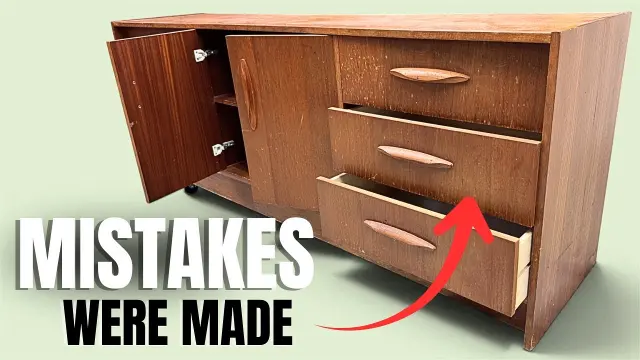 Refinishing a Vintage Teak Credenza with Custom Wood Handles
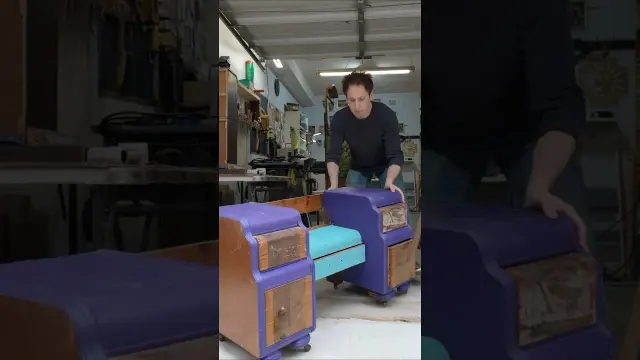 Transforming a 1930s Art Deco Painted Vanity into Nightstands
 Affordable IKEA Hacks to Make Your Home Feel Cozy
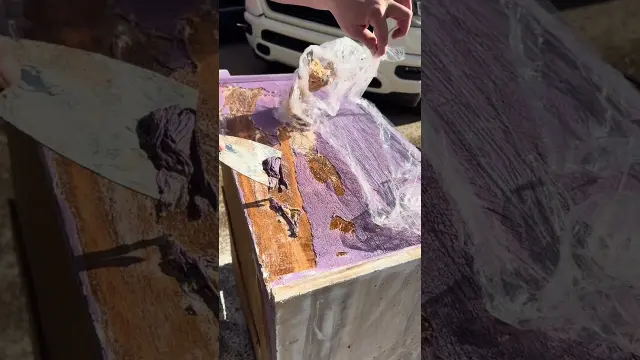 Stripping Paint Off an Unwanted Purple Dresser to Reveal Birch
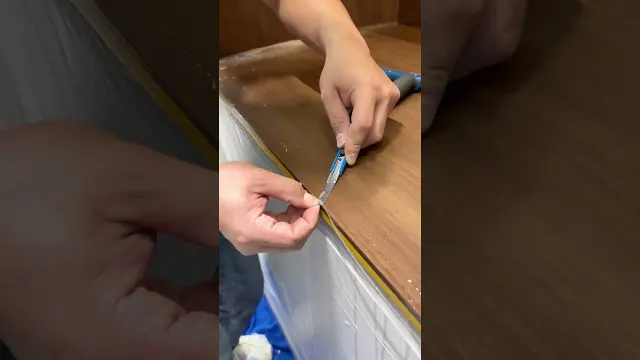 Furniture Film Edge Wrap Technique for Makeovers
Get new #Furniture Makeover ideas by email
Every Thursday: the week's best ideas, with the newest from #Furniture Makeover.
Related tags
Furniture Makeover: A Beginner's Guide to Reviving Old Pieces
A furniture makeover is the practice of giving an existing piece of furniture a new look rather than replacing it. It might mean repainting a dresser, reupholstering a chair, oiling a tired wooden table or repairing a joint that has worked loose. The appeal is partly practical — good furniture is often better made than cheap new equivalents, and reviving it keeps it out of landfill — and partly creative: a makeover lets you fit a piece to your own space, taste and colour scheme.
Why people do it
Mass-produced furniture is often built from particleboard and veneer, which limits how far it can be altered. Older pieces, by contrast, are frequently solid wood with joints that can be disassembled, honed and repaired. That is why so many makeovers start with something found secondhand, inherited or bought cheaply: the potential lies in the material, not the finish.
The main approaches
- Painting: the most accessible option. Chalk, mineral, acrylic and water-based paints all behave differently; some need a primer, some are designed to grip without one, and some benefit from a wax or varnish topcoat for durability.
- Stripping back: removing old paint or varnish with a chemical stripper, heat gun or sandpaper to reveal the wood beneath. Slower and messier, but it preserves grain that paint would hide.
- Refinishing: cleaning, sanding and applying oil, wax or a clear film finish to revive bare wood without changing its colour.
- Upholstery: replacing fabric on seats, headboards or full sofas, either sewing new covers or using staples and a staple gun over fresh padding.
- Repair and hardware: fixing wobbles, replacing hinges, adding new handles or knobs — small changes that often shift a piece's character more than paint does.
What beginners should know
Preparation decides the outcome. Almost every failure — flaking paint, visible brush marks, patchy stain — traces back to skipped cleaning, sanding or priming. Grease and polish residue must be removed, and glossy surfaces need to be dulled so a new finish can grip. Test any finish on a hidden patch first, and work in a ventilated space, wearing a mask when sanding or stripping.
Read more
Choose your piece with care. Solid wood and sturdy frames reward the effort; chipboard that has swollen from damp rarely does. Take drawers out, note which screws came from where, and photograph the piece before you start so reassembly is easier. Keep hardware in a labelled bag.
Practical tips
Work in thin coats rather than one thick one, and let each dry fully. Sand lightly between coats. If you want a distressed look, do it deliberately, thinking about where wear would naturally occur, rather than randomly. And be willing to live with a piece unfinished for a while — some of the best makeovers happen in stages, as you learn what a room actually needs.
Above all, treat the piece as a collaboration: the maker built it, and you are deciding where it goes next.
#Furniture Makeover: frequently asked questions
How do I start a furniture makeover as a beginner?
Start with a sturdy piece that has good bones, like solid wood or a strong frame. Clean it well, remove hardware, sand glossy areas, and test your finish on a hidden spot before committing to the whole piece.
What supplies do I need for a basic furniture makeover?
The exact tools depend on the project, but most makeovers need cleaning supplies, sandpaper, a finish of some kind, and basic repair tools. If you are painting or stripping, you may also need primer, brushes or rollers, a scraper, and protective gear for working safely.
Should I paint, refinish, or strip old furniture?
Choose paint if you want the fastest way to change the look or cover an uneven surface. Refinishing is best when the wood is already attractive and you want to refresh it, while stripping works well if you want to bring out the natural grain under old finish.
How do I care for a newly made-over piece of furniture?
Let the finish cure fully before heavy use, and clean it gently with a soft cloth and mild products. Avoid harsh scrubbing and use coasters, felt pads, or protective mats to help the new surface last longer.
What are some good furniture makeover ideas for a room refresh?
A painted dresser, a refinished teak credenza, or updated nightstands can change a room quickly without replacing everything. You can also swap hardware, reupholster a chair, or use a distressed finish to match a cozy, lived-in style.
Videos come from YouTube and posts from Instagram; titles and summaries are our own. All rights belong to their creators.