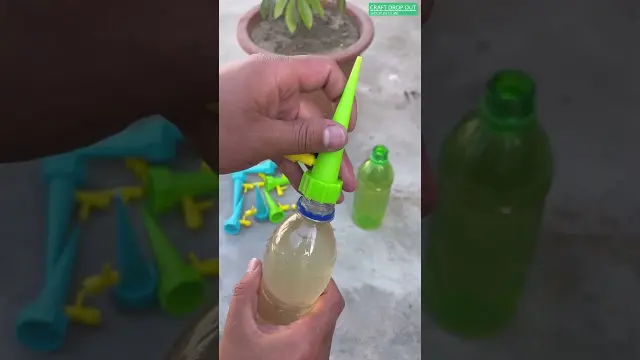
 Adjustable Bottle Drip Irrigation Spike for Plants
#DIY Gardening
2 ideas
Adjustable Bottle Drip Irrigation Spike for Plants
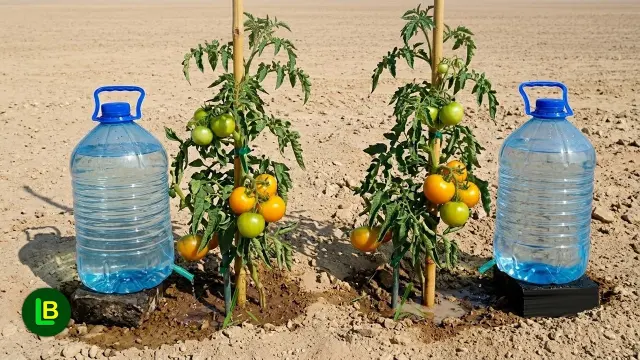 Creative DIY Drip Irrigation Using Recycled Plastic Bottles
Get new #DIY Gardening ideas by email
Every Thursday: the week's best ideas, with the newest from #DIY Gardening.
Related tags
DIY Gardening: A Beginner's Guide to Growing Your Own
DIY gardening is the practice of growing plants yourself, using your own hands, your own space and often your own materials. It sits somewhere between a hobby and a way of life: part practical skill, part patience, part the quiet pleasure of watching something you planted turn into something you can eat, smell or simply look at. You do not need a garden to do it. A balcony, a windowsill, a doorstep or a shared courtyard is enough to begin.
Where it comes from
Growing food and flowers at home is older than gardening as a hobby. What feels new about DIY gardening is the spirit behind it: reusing what you already have, learning as you go, and treating the garden as something you build rather than something you buy finished. It borrows from kitchen gardening, from allotment culture, from container growing in small city flats, and from a long tradition of making do with whatever is at hand.
The main approaches
Read more
There is no single way to garden, and that is part of the appeal.
- Container gardening: pots, troughs, buckets and window boxes. Ideal where space is limited, and easier to control when it comes to soil and water.
- Raised beds: wooden or brick frames filled with soil, kinder to backs and knees and easier to keep weed-free.
- Kitchen-scrap growing: regrowing spring onions, herbs, lettuce hearts or root tops on a windowsill, mostly for the pleasure of watching them come back.
- Water-wise setups: simple drip systems, ollas, or slow-release bottles that keep soil moist while you are away.
- Seed saving and propagation: taking cuttings, dividing perennials and collecting seed so that next year's garden costs nothing.
What beginners should know
Start small. A single pot of herbs that thrives will teach you more than a whole plot that overwhelms you. Learn your light: most vegetables and flowering plants want several hours of direct sun, while leafy greens and many houseplants tolerate shade. Check your soil, or buy a simple potting mix if you are growing in containers, since garden soil alone compacts and drains poorly in pots.
Water by feel rather than by schedule. Push a finger into the soil; if it is dry below the surface, water thoroughly, then let it dry a little before the next round. Overwatering causes more beginner losses than underwatering.
Practical tips that last
- Group plants with similar needs together so you are not juggling different watering and feeding routines.
- Mulch the surface with compost, straw or bark to hold moisture and keep weeds down.
- Clean and store your tools at the end of the season; they will last for decades.
- Keep a small notebook of what you planted, where, and how it did. Memory is unreliable, notes are not.
- Expect losses. Some plants will fail, and that is information rather than a verdict on your abilities.
Above all, garden at the pace that suits your life. A few pots tended well will reward you far more than a grand plan you have no time for.
#DIY Gardening: frequently asked questions
How do I start DIY gardening if I've never grown anything before?
Begin with one or two pots of something forgiving, like herbs or leafy greens, rather than filling a whole space at once. Watch how that small patch behaves for a few weeks — how much sun it gets, how fast the soil dries — and let that teach you before you add more. Success on a small scale builds both skill and confidence.
What do I actually need to begin, and do I need a garden plot?
You need a container with drainage holes, a decent potting mix, a spot with the right light, and something to water with. A balcony, windowsill, doorstep or shared courtyard works just as well as a bed in the ground. Garden soil straight from the earth tends to compact in pots, so use a mix made for containers instead.
Which style of DIY gardening suits a small space or a busy schedule?
Container growing is the most flexible option, since pots can be moved to follow the light and are easy to keep weed-free. If watering is your worry, a simple water-wise setup such as a bottle drip or buried clay pot keeps soil moist between visits. Growing from kitchen scraps on a windowsill is the lightest commitment of all.
How do I water and care for plants without a rigid routine?
Check the soil with your finger instead of following a fixed timetable: if it is dry below the surface, water thoroughly, then let it dry a little again. Group plants with similar needs together so one routine serves them all, and mulch the surface to hold moisture and suppress weeds. More beginners lose plants to overwatering than to neglect.
What mistakes do people usually make when making a garden themselves?
The common ones are starting too big, watering on habit rather than by feel, and putting plants with clashing needs side by side. Another is treating a failed plant as a personal verdict instead of useful information. Keeping short notes on what you planted, where, and how it did will save you from repeating the same experiment.
Can I reuse things I already have instead of buying new equipment?
Yes — reusing what is at hand is really the spirit of the approach, from buckets and crates as containers to plastic bottles cut into drip feeders. Saving seed, taking cuttings and dividing perennials also means next season's plants cost you nothing but time. Clean and store your tools at the end of the season and they will serve you for years.
Videos come from YouTube and posts from Instagram; titles and summaries are our own. All rights belong to their creators.