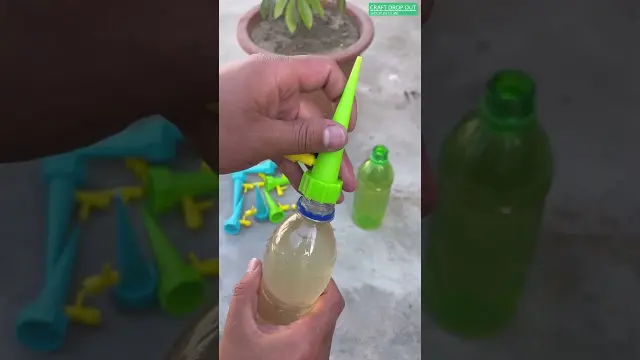
 Adjustable Bottle Drip Irrigation Spike for Plants
#Water Saving
3 ideas
Adjustable Bottle Drip Irrigation Spike for Plants
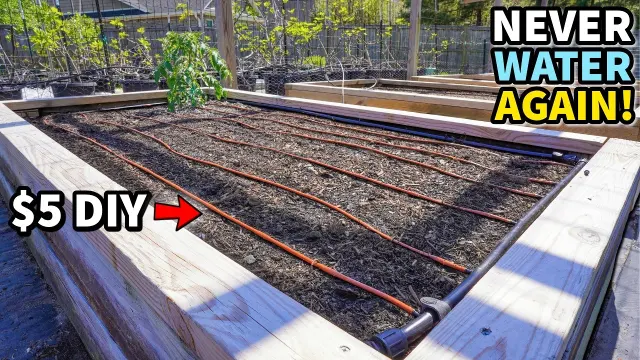 Building an Easy DIY Drip Irrigation Grid for Raised Beds
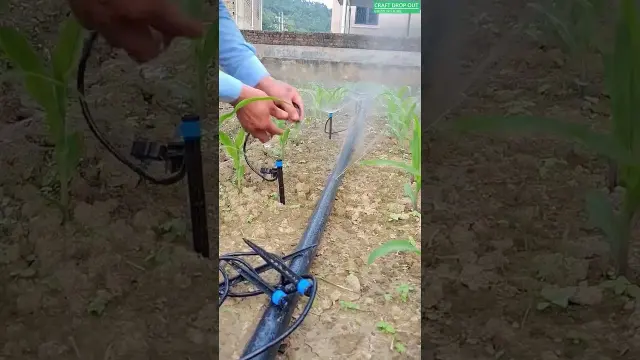 Fast and Clean Micro Sprinkler Irrigation Setup for Crops
Get new #Water Saving ideas by email
Every Thursday: the week's best ideas, with the newest from #Water Saving.
Related tags
Water Saving at Home and in the Garden
Water saving means using the water you have more deliberately: getting the same result — a clean body, a healthy plant, a washed dish — with less of it, and letting what does get used return to the ground instead of running away down a drain. It is an old idea. Dry regions have always farmed and gardened with careful irrigation, rainwater cisterns and greywater, and much of what we now call smart water use is simply that knowledge, adapted to modern homes.
In the garden
Most garden water is lost before a plant ever drinks it. Bare soil dries in the sun, sprinklers throw water into the air where wind carries it off, and a fast soak runs straight past shallow roots. Three habits fix most of this.
- Mulch. A layer of straw, bark, compost or leaf mould over bare soil slows evaporation, keeps the surface cooler and suppresses weeds that would otherwise compete for moisture.
- Water at the roots, not the leaves. Drip lines, soaker hoses, micro-sprinklers and simple bottle spikes deliver water slowly and directly where roots can take it up. They also keep foliage dry, which suits plants prone to leaf problems.
- Water deeply and less often. A thorough soak encourages roots to go down, where soil stays moist longer. A daily sprinkle encourages shallow, fragile roots.
Read more
Timing helps too: early morning is generally better than midday, when more is lost to evaporation. Rain barrels capture roof runoff for dry spells, and a rain gauge or simple finger test in the soil tells you whether watering is needed at all — many plants are overwatered rather than under-watered.
Inside the home
Indoor savings come less from gadgets than from attention. Fixing drips and running taps is the first step, since a steady trickle wastes more than anyone expects over a month. Shorter showers, full loads in the washing machine and dishwasher, and a bowl of water for rinsing vegetables instead of a running tap all reduce use without changing your day much.
Greywater — the relatively clean water from rinsing or bathing — can be carried out to established ornamental plants and trees, provided you use mild, low-phosphorus soaps. It is not suitable for drinking-water crops or for seedlings.
Getting started
Beginners often buy equipment first. Try the reverse: watch where water actually goes for a week. You will usually find one or two places where it disappears — a leaky outdoor tap, a sprinkler aimed at paving, a bed with no mulch. Fix those before adding anything new.
Choose plants that suit your climate rather than fighting it, group thirsty plants together so one watering serves them all, and accept that a lawn may go brown in dry weather and recover — dormancy is not death.
None of this requires perfection. Water saving is a habit built from small, repeatable choices, and every one of them makes the next dry spell easier to meet.
#Water Saving: frequently asked questions
How do I start saving water at home or in the garden if I’m a beginner?
Start by watching where water is actually being lost, such as a dripping tap, an overspraying sprinkler, or bare soil that dries out quickly. Fix the easiest leaks first, then add simple habits like watering only when needed and choosing plants that suit your climate.
What do I need for a simple water-saving setup in the garden?
A basic setup can be as simple as mulch, a watering can or hose attachment that delivers water to the roots, and a way to check soil moisture before watering. If you want something more efficient, drip lines, soaker hoses, bottle spikes, or a rain barrel can help direct water where plants can use it best.
Which irrigation method should I choose for raised beds or potted plants?
For raised beds, drip irrigation is a good choice because it sends water slowly to the root zone and helps reduce waste. Micro-sprinklers can work well for crops that need more even surface coverage, while bottle spikes are useful for small spaces, containers, or a simple DIY solution.
How do I care for a water-saving irrigation system so it keeps working well?
Check lines, spikes, and sprinkler heads regularly for clogs, leaks, or misalignment, since even a small problem can waste water. It also helps to water early in the day, keep soil covered with mulch, and adjust watering based on weather and soil moisture instead of following a fixed routine.
What are common mistakes people make when trying to save water?
A common mistake is watering too often and too lightly, which encourages shallow roots and more waste. Other mistakes include spraying leaves instead of the root area, watering at the hottest part of the day, and assuming every plant needs the same amount of water.
Videos come from YouTube and posts from Instagram; titles and summaries are our own. All rights belong to their creators.