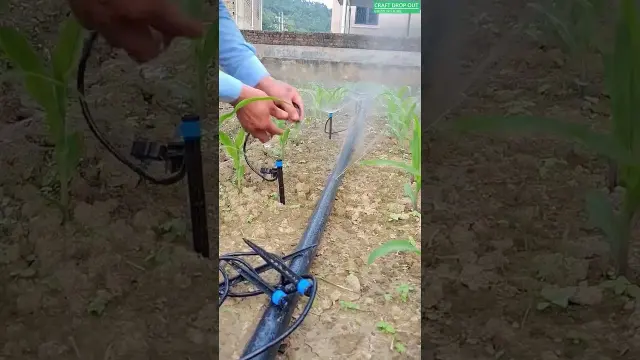
 Fast and Clean Micro Sprinkler Irrigation Setup for Crops
#Farming
8 ideas
Fast and Clean Micro Sprinkler Irrigation Setup for Crops
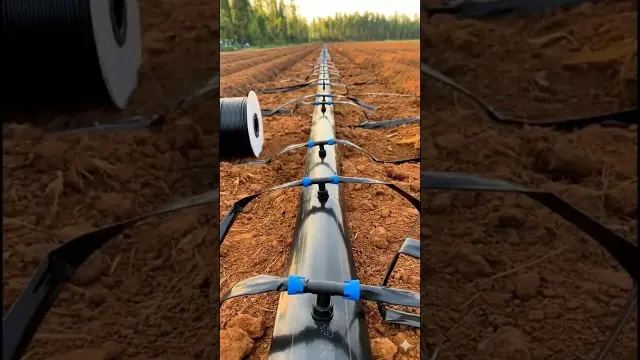 Simple and Efficient Drip Tape Irrigation Setup
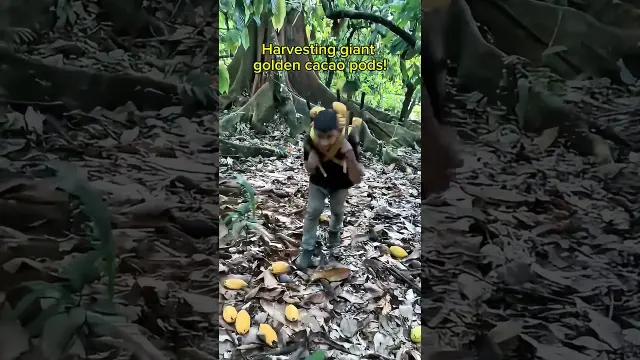 Harvesting Giant Golden Cacao Pods in the Rainforest
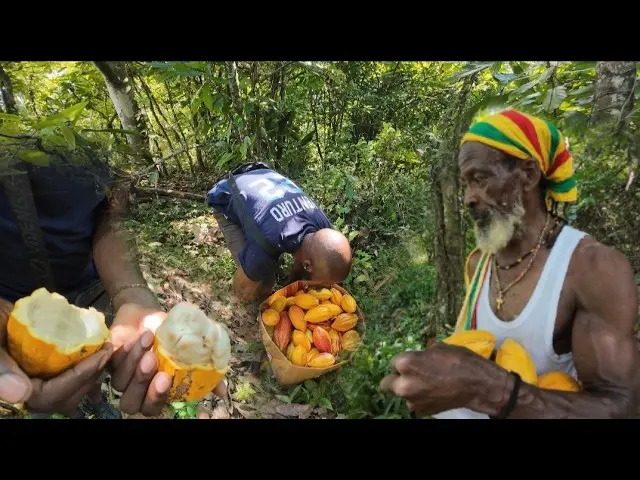 Harvesting Ripe Cocoa Pods in the Jamaican Countryside
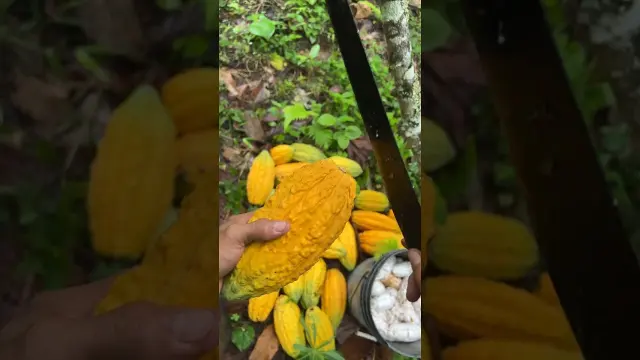 Harvesting and Splitting Fresh Yellow Cocoa Pods
 The Fascinating Natural Appearance of Fresh Cacao Pods
 From Cocoa Pod to Chocolate Bar Farm-to-Food Journey
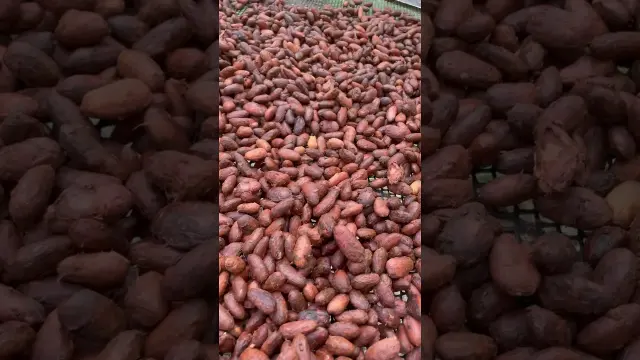 Drying Fermented Cacao Beans at an Organic Farm
Get new #Farming ideas by email
Every Thursday: the week's best ideas, with the newest from #Farming.
Related tags
Farming: A Beginner's Guide to Growing Food and Tending Land
Farming is the practice of cultivating soil, growing crops and raising animals to produce food, fibre and other useful materials. It sits at the base of nearly everything people eat and wear, and it has shaped landscapes, settlements and daily rhythms for thousands of years. At its heart it is a simple exchange: you tend living things, and they give something back.
Where farming comes from
Agriculture emerged independently in several parts of the world, when people moved from gathering wild plants to saving seed, preparing ground and staying near their fields. Over centuries, farmers learned by observation which soils held water, which crops thrived together and how to store a harvest through the lean months. Much of that knowledge was passed down locally rather than written down, and it still informs how small farms are run today.
The main kinds of farming
Read more
Farms differ enormously depending on climate, land and purpose. A few broad categories help make sense of the range:
- Arable farming concentrates on crops: grains, vegetables, pulses, roots and fruit.
- Pastoral farming raises animals for meat, milk, wool or eggs.
- Mixed farming combines both, often using manure to feed the soil that grows the crops.
- Smallholder and subsistence farms grow mainly to feed the household, selling any surplus.
- Commercial farms produce at larger scale for markets and processing.
- Organic and regenerative approaches emphasise soil health, compost, crop rotation and reduced reliance on synthetic inputs.
Cacao, coffee, tea and many fruits sit within a wider group often called tree crops or plantation crops, grown in tropical climates and usually processed after harvest before they reach a buyer.
What beginners should know
Start small and learn the land before expanding. Observe where light falls, where water pools and how the soil behaves through a season. Test the soil if you can, or at least dig a hole and look at its texture and colour.
Water is usually the deciding factor. Drip tape and micro-sprinklers deliver moisture steadily to the root zone and waste far less than overhead spraying. Whatever the system, water early in the day and water deeply rather than often, so roots reach downward.
Plan a rotation. Growing the same crop in the same spot year after year invites pests and depletes particular nutrients; alternating plant families interrupts both. Keep some ground covered with mulch, cover crops or living plants, because bare soil erodes and dries.
Learn your local calendar. Sowing dates, frost risk and pest cycles are regional, and the most reliable advice usually comes from nearby growers and extension services rather than from general guides.
Practical habits that pay off
Keep notes: what you planted, when, what the weather did and how the harvest turned out. A simple record becomes your most useful reference after a couple of seasons. Harvest at the right moment, since timing affects flavour and storage life more than most other choices. Handle produce gently and cool it quickly where appropriate. And accept losses: weather, pests and mistakes are part of farming, not a sign that you are doing it wrong.
Above all, be patient. Farming rewards attention and consistency more than sudden effort, and every season teaches something the previous one could not.
#Farming: frequently asked questions
How do I get started with farming if I’m a complete beginner?
Start with a small area and spend time observing the land before planting more. Notice where sunlight falls, where water collects, and how the soil feels, then begin with crops or animals suited to those conditions.
What type of farming should I choose for my land and goals?
The best choice depends on your climate, space, and what you want to produce. Crop-focused, animal-focused, mixed, small-scale, and organic or regenerative approaches each work differently, so pick the one that fits your resources and the way you want to work.
What do I need to set up a simple watering system for crops?
A steady water source and a way to deliver it close to the roots are the key basics. Drip tape or micro-sprinklers are often used because they keep moisture where plants need it and waste less water than overhead watering.
How can I keep my soil healthy over time?
Rotate crops so the same plant family does not grow in the same place repeatedly, and keep the soil covered whenever possible. Mulch, cover crops, compost, and careful grazing or manure use can all help protect and rebuild soil structure.
What are common farming mistakes beginners should avoid?
A few common mistakes are planting too much too soon, ignoring local weather patterns, and repeating the same crop in the same spot. It also helps to keep notes, harvest at the right time, and avoid letting soil stay bare for long periods.
Videos come from YouTube and posts from Instagram; titles and summaries are our own. All rights belong to their creators.