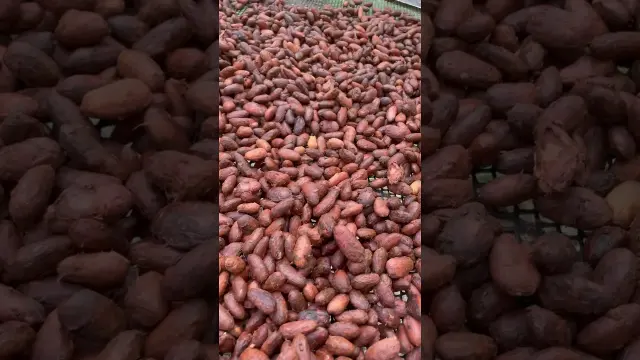
 Drying Fermented Cacao Beans at an Organic Farm
#Organic
1 ideas
Drying Fermented Cacao Beans at an Organic Farm
Get new #Organic ideas by email
Every Thursday: the week's best ideas, with the newest from #Organic.
Related tags
What Organic Really Means: A Beginner's Guide
Organic is one of those words that turns up everywhere — on carrots, cotton T-shirts, shampoo bottles, baby food, wine — and it can be hard to say what any of it actually means. At its core, organic describes a way of producing things that works with natural systems rather than against them: feeding soil with compost and manure instead of synthetic fertilisers, controlling pests with crop rotation, beneficial insects and careful timing rather than routine chemical spraying, and raising animals in conditions that let them behave like animals.
The idea is older than the word. Farmers have grown food without synthetic inputs for most of agricultural history; what changed was the arrival of industrial chemicals in the twentieth century and, in reaction to it, a movement of growers and eaters who wanted a documented alternative. Today "organic" usually means a certified standard: a set of rules about what may and may not be used, how land is managed, how animals are kept, and how a product is processed and packed — checked by an independent inspector rather than taken on trust.
The main kinds you will meet
- Fresh food: fruit, vegetables, grains, dairy, eggs and meat produced under organic rules.
- Processed food: anything from flour to chocolate, where the ingredient list and the additives used are also restricted.
- Organic beauty and personal care: products built around organically grown plant ingredients, though the rules here vary more between certifiers than they do for food.
- Organic textiles: usually cotton or linen grown without synthetic pesticides, with limits on the dyes and finishes applied afterwards.
Read more
What beginners should know
Certification marks differ from country to country, and so do the details behind them. A label with a recognised seal means the producer has been inspected against a published standard; a product that simply says "natural" or "pure" on the front is making a marketing claim, not a certified one. If a specific guarantee matters to you, look for the certifier's name or logo and read what it covers — a processed food, for instance, may be "made with organic ingredients" rather than fully organic.
Small producers often farm to organic principles without the paperwork, especially at farmers' markets. Asking them directly how they handle soil, pests and feed tells you more than any label.
Practical tips
- Start where it makes the most difference to you, whether that is the food you eat most often or the product that touches your skin.
- Buy with the seasons; organic produce at its natural peak is usually better value and better eating.
- Wash everything, organic or not — soil is soil.
- Store organic grains, nuts and oils carefully; without heavy processing they can turn sooner, so keep them cool and dark.
- If budget is tight, grow a little yourself. A few herbs on a windowsill is organic farming in miniature, and it teaches the rhythm of the whole idea faster than any label.
- Treat organic as one good choice among several, not a purity test. Buying local, wasting less and cooking more all count.
Above all, organic is a relationship with land and season rather than a badge. Understanding the reasoning behind it lets you judge any product for yourself, whatever the packaging says.
#Organic: frequently asked questions
How do I start buying organic without overhauling everything at once?
Pick the one or two things you use most, whether that is the vegetables you cook with daily or the product that sits on your skin all day, and switch those first. Learning what the labels mean on a small number of items teaches you more than changing your whole basket in a week. From there you can add to it as you go, keeping the change in step with what you actually notice.
What should I look for to know a product is genuinely organic?
Look for a recognised certification seal together with the name of the body that issued it, since the rules and the marks differ from country to country and the certifier is what gives the claim its backing. Then read what that certification actually covers, because a processed item may be made with organic ingredients rather than being fully organic. Words like natural or pure on the front are marketing language, not a standard anyone has checked.
Which kind of organic product should I choose first?
Start with the category where the difference matters most to you personally, which for many people is fresh food they eat often, and for others is beauty and personal care. It helps to know that the standards are tighter and more consistent for food than for cosmetics and textiles, so the certification is worth reading more carefully in those areas. Choosing something you already buy regularly also makes it easier to judge whether the switch is worth continuing.
How should I store organic fruit, vegetables, grains and oils?
Treat them the way you would any fresh produce: keep most vegetables cool and use them while they are at their best, and wash everything before eating, since soil is soil whether or not chemicals were used. Grains, nuts and oils benefit from being kept cool and dark because less heavily processed versions can turn sooner. Buying with the seasons helps here too, as produce at its natural peak simply lasts better.
What mistakes do people make when they first go organic?
The most common one is treating it as a purity test and feeling like a failure the moment something doesn't have a seal, when buying local, wasting less and cooking more all count for a great deal. Another is trusting a label at a glance instead of checking the certifier and what the certification covers. Buying imported organic produce out of season, when your own region has something fresh and good, is a third habit worth questioning.
Can I buy organic from small farmers who aren't certified?
Yes, and at farmers' markets it is common to find growers working to organic principles without having gone through the paperwork. Rather than looking for a mark, ask them directly how they feed the soil, deal with pests and keep their animals, since a short conversation usually tells you more than any packaging. That also keeps you connected to the reasoning behind organic rather than just the badge.
Videos come from YouTube and posts from Instagram; titles and summaries are our own. All rights belong to their creators.