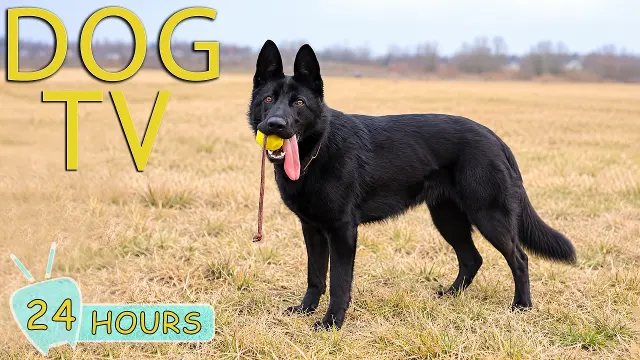
 Relaxing Dog TV Visuals and Soothing Music for Home Alone Pets
#Dog TV
15 ideas
Relaxing Dog TV Visuals and Soothing Music for Home Alone Pets
 Real Dog Adventures and Forest Footage for Home Alone Pets
 Twelve Hours of Dog TV with Peaceful Piano Melodies for Rest
 Twenty-Four Hours of Dog TV Visuals to Prevent Boredom at Home
 Twelve Hours of Soothing Dog TV Music for Anxious Pets
 Relaxing Dog Cartoon and Stress Relief Music for Lonely Dogs
 Rainy Day Cartoon Dog TV with Cozy Indoor Visuals and Music
 Nature Compilation Video for Pets Featuring Wildlife and Forest Scenery
 Calming Blue and Yellow Cartoon Dog TV for Resting Puppies
 Autumn Cartoon Dog TV Entertainment for Pets Home Alone
 Continuous Dog TV Stream with Anti-Anxiety Music and Fun Videos
 Autumn Journey Compilation Video for Dogs and Owners to Enjoy
 Anti-Anxiety Dog TV and Boredom Relief Music
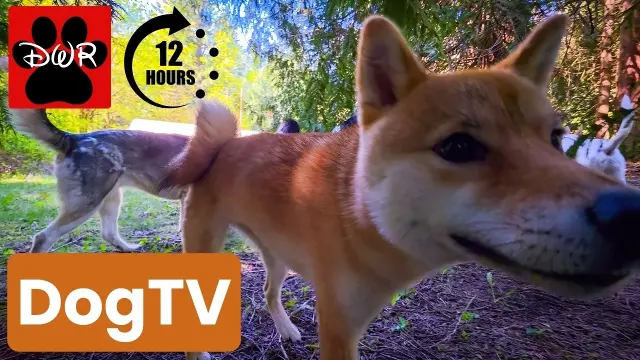 Relaxing Dog TV and Entertainment Video for Home Alone Dogs
 Calming Dog TV and Anti-Anxiety Music for Dogs
Get new #Dog TV ideas by email
Every Thursday: the week's best ideas, with the newest from #Dog TV.
Collections
Related tags
Dog TV: Calm Viewing for Dogs at Home
Dog TV is a simple idea: television content made to hold a dog’s attention, soothe restlessness, or provide light stimulation when a dog is indoors. It can include moving images, natural sounds, quiet music, and scenes designed to feel familiar or interesting to dogs. Some dogs watch intently, some only glance up now and then, and some ignore it completely. That is normal.
What Dog TV is
Dogs experience the world differently from people. They notice movement, sound, and scent first, so ordinary television may mean little to them unless the images are vivid, the motion is clear, or the audio is engaging. Dog TV usually focuses on slow, simple scenes rather than fast cuts or crowded visuals. Common themes include outdoor movement, other animals, nature sounds, or calm household scenes.
The goal is not to replace exercise, training, or companionship. It is a background activity that may help fill quiet moments, especially when your dog is resting alone at home. For some dogs, it can be a small part of a calm daily routine.
Read more
Why dogs might respond to it
Dogs often react to motion and familiar sounds. A barking dog, birds outside, footsteps, or gentle music may catch their attention. Some dogs seem to enjoy watching movement across the screen, while others are more interested in the sound than the image. Puppies and energetic dogs may react more strongly, but older dogs can enjoy it too if the content is calm and not overstimulating.
If your dog becomes tense, starts barking at the screen, or appears frustrated, the content may be too exciting. In that case, choose quieter visuals or turn the sound down.
Types of Dog TV content
Dog-friendly viewing can take many forms:
- Nature scenes with slow movement, such as fields, water, or trees
- Animal footage with simple, easy-to-follow motion
- Calming music or soft ambient sound
- Visuals for quiet indoor time or periods when your dog is home alone
The best choice depends on your dog’s personality. A curious dog may prefer more activity, while a sensitive dog may do better with slower images and softer sound.
How to use it well
Start with short viewing sessions and notice how your dog reacts. Keep the volume low enough to be comfortable for both of you. Place the screen where your dog can see it without having to strain or pace. Make sure the room is safe, with water available and nothing nearby that your dog could chew or knock over in excitement.
Dog TV works best as a gentle extra, not as the main source of enrichment. Your dog still needs walks, play, mental stimulation, and time with you. If you use it thoughtfully, it can be a pleasant way to create a calmer atmosphere and add a little variety to your dog’s day.
#Dog TV: frequently asked questions
How do I get started with Dog TV for my dog?
Begin with a single short session and simply watch how your dog responds — whether they look at the screen, turn an ear, or wander off. Keep the volume low and the room calm, then let the session end naturally rather than forcing your dog to stay. If your dog seems relaxed, you can make it a small part of a quiet afternoon routine.
What do I actually need to set up Dog TV at home?
All it takes is a screen you can position comfortably in your dog's line of sight and a way to play calm footage or soft audio. Keep the room safe and uncluttered, with water available and nothing within reach your dog might chew or knock over. Comfort and a low volume matter more than the setup itself.
Which kind of Dog TV content should I choose for my dog?
Match the content to your dog's temperament: a curious, energetic dog often does well with clear animal or outdoor movement, while a sensitive or older dog tends to prefer slow scenes and soft ambient sound. Pay attention to whether your dog is interested in the images or mainly the sounds, since that tells you what to lean on. If your dog becomes tense or starts barking at the screen, switch to something quieter.
Is Dog TV a replacement for walks and playtime?
No — it works best as a gentle extra, a background activity for quiet moments rather than the main source of enrichment. Your dog still needs walks, play, mental stimulation, and time with you. Think of it as something that adds a calmer atmosphere, not as a substitute for company.
What are common mistakes people make when using Dog TV?
The usual ones are leaving it on too loud, choosing fast-moving or crowded visuals, and letting it run for long stretches without checking in on the dog. Some owners also expect every dog to watch, when in fact glancing up occasionally or ignoring it entirely is completely normal. Start short, stay observant, and adjust based on what you see.
Videos come from YouTube and posts from Instagram; titles and summaries are our own. All rights belong to their creators.