 Creating a Custom Zendaya Red Carpet Doll
#Doll Making
13 ideas
Creating a Custom Zendaya Red Carpet Doll
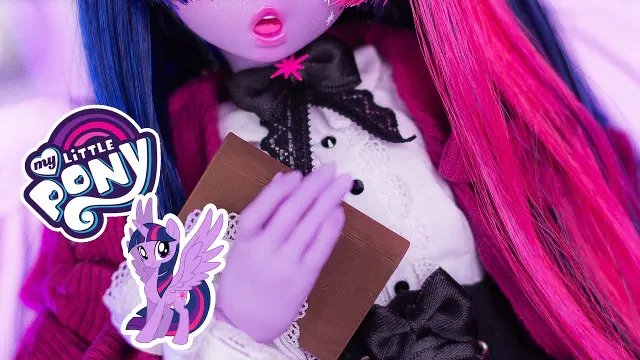 Making Twilight Sparkle as a Ball Jointed Doll
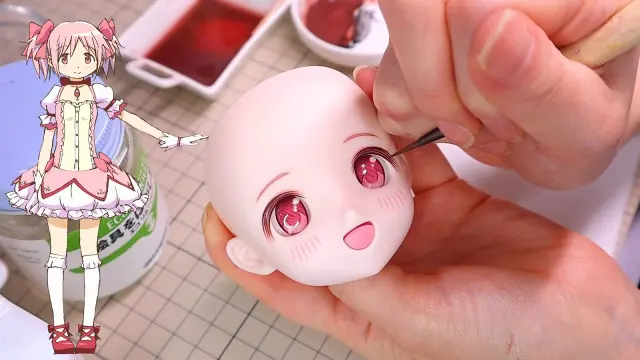 Making a Madoka Magica Custom Anime Doll
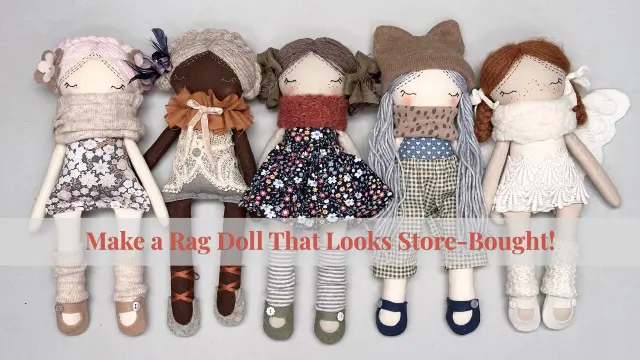 Beginner Rag Doll Sewing Tutorial and Pattern
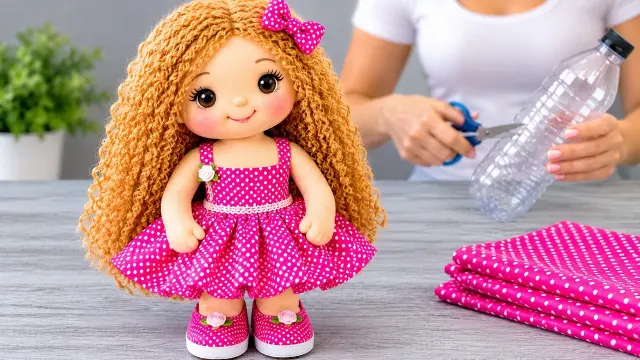 Making a Unique Baby Doll from a Plastic Bottle
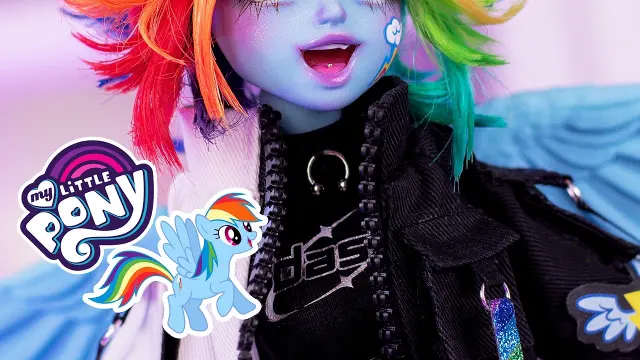 Making Rainbow Dash as a Ball Jointed Doll
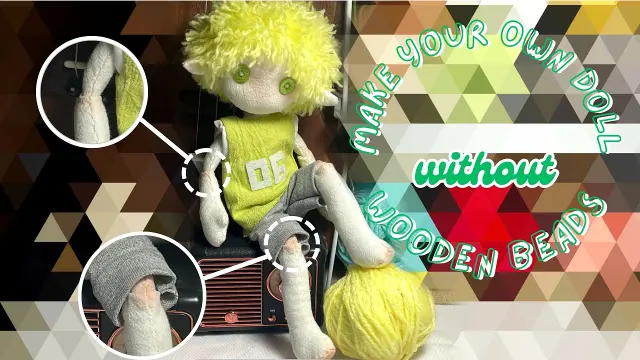 Sewing a Jointed Cloth Doll Without Wooden Beads
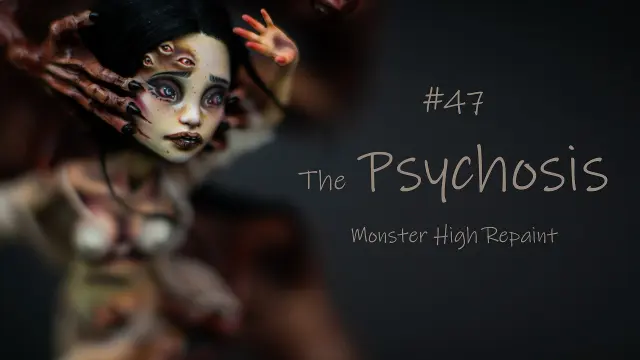 Sculpting a Demon Figurine Doll for Mental Health Awareness
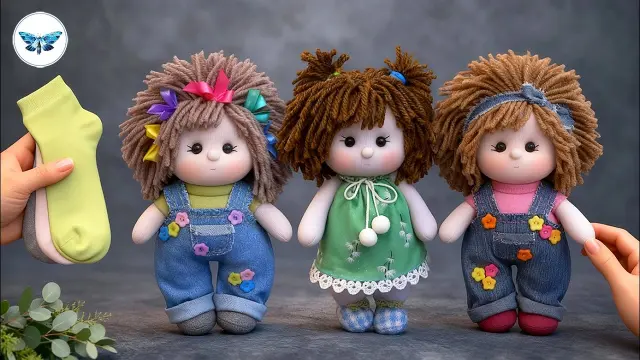 How to Make Two DIY Sock Dolls Without a Sewing Machine
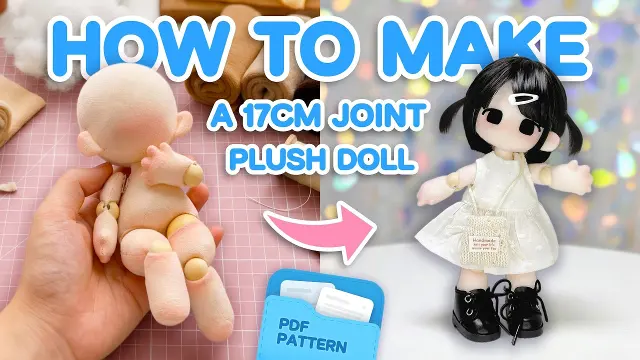 Sewing a 17cm Jointed Plushie Doll with Pattern
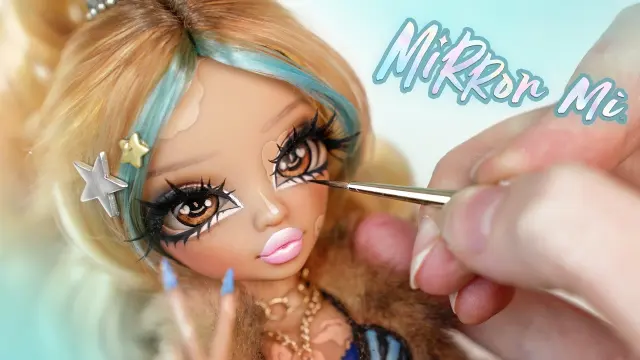 Making a Gyaru Baddie Mirror Mi Custom Doll
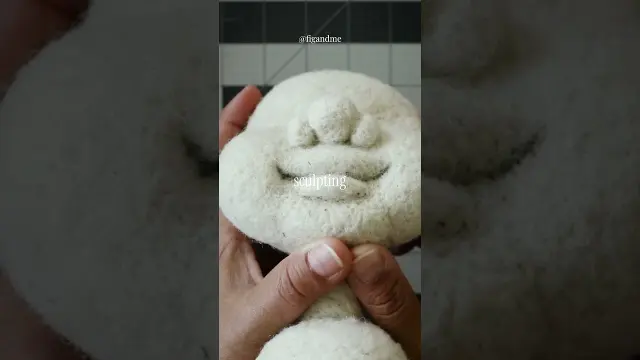 Covering a Wool Sculpture in Waldorf-Inspired Doll Skin
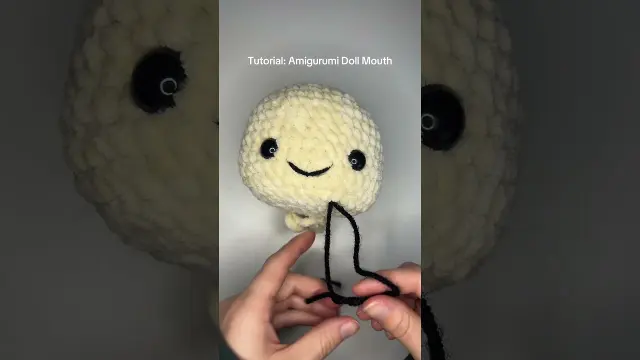 Slowed Down Visual Guide for Sewing Amigurumi Mouths
Get new #Doll Making ideas by email
Every Thursday: the week's best ideas, with the newest from #Doll Making.
Related tags
Doll Making Basics and Creative Techniques
Doll making is the craft of creating small human or character figures by hand. It can be as simple as a stitched fabric toy or as detailed as a sculpted collectible. People have made dolls for play, storytelling, ritual, decoration, and teaching for centuries, using whatever materials were available to them. Today, doll making still brings together sewing, sculpting, painting, embroidery, and costume design in many different forms.
What doll making includes
At its broadest, doll making covers any handmade figure with a head, body, and often clothing or hair. Some dolls are soft and cuddly, made from fabric and stuffing. Others are firm, shaped from clay, wood, paper, resin, or mixed materials. You may also see dolls that are designed to be posed, dressed, displayed, or used in play.
The most common kinds include:
- Soft cloth dolls
- Stuffed dolls and plush figures
- Sculpted dolls with molded faces and limbs
- Jointed dolls that can sit or pose
- Miniature dolls for display or collections
- Character dolls inspired by stories, animals, or fantasy figures
Read more
Main materials and tools
The materials you choose depend on the style of doll you want to make. Fabric dolls usually call for cloth, thread, stuffing, needles, scissors, and simple embroidery supplies. Sculpted dolls may use air-dry clay, polymer clay, wire, fabric, or papier-mâché. Hair can be made from yarn, wool, fiber, or sewn strands of fabric. Clothing can be handmade from scraps, felt, lace, cotton, or knit fabric.
For beginners, it helps to start with materials that are easy to shape and forgiving to work with. Soft fabrics and simple stuffing are often the easiest entry point because they do not require advanced tools. A clear pattern or template can also make the process much easier.
Techniques you may use
Doll making often combines several crafts at once. Sewing is used for bodies, limbs, clothing, and seams. Embroidery adds facial features, fingers, or decorative details. Sculpting gives form to faces, hands, and other shaped parts. Painting can define features or add color after the surface has been made. Hair is usually attached by stitching, gluing, knotting, or rooting, depending on the material.
If you are making a fabric doll, basic hand stitches are usually enough to begin. If you are sculpting, work slowly and build the form in stages. It is often easier to add more material than to fix a shape that has become too large or uneven.
Tips for beginners
Start with a simple design. A small doll with a basic body shape is much easier to finish than a highly detailed figure. Keep proportions simple and focus on getting the structure right before adding extras.
A few practical tips:
- Use a pattern or sketch so your parts match
- Stuff firmly but not so tightly that seams strain
- Check symmetry as you work
- Make the face last, once the head shape feels right
- Keep embellishments simple at first
Why doll making is so rewarding
Doll making lets you turn fabric, thread, clay, or yarn into something with personality. Even a very simple doll can feel expressive because small choices in posture, features, and clothing give it character. Whether you make dolls for children, display, gifting, or personal enjoyment, the craft invites patience, imagination, and careful handwork.
Videos come from YouTube and posts from Instagram; titles and summaries are our own. All rights belong to their creators.