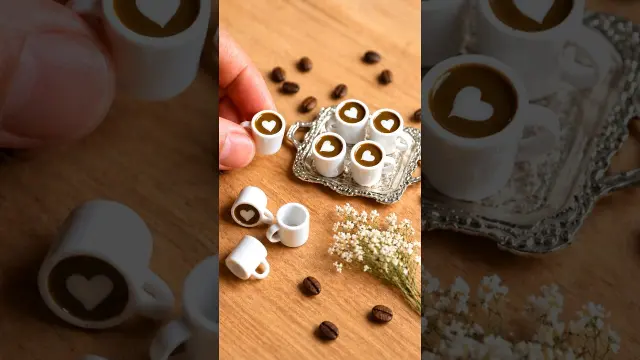
 Miniature Coffee Cups with Glossy Surface and Latte Art
#Dollhouse
6 ideas
Miniature Coffee Cups with Glossy Surface and Latte Art
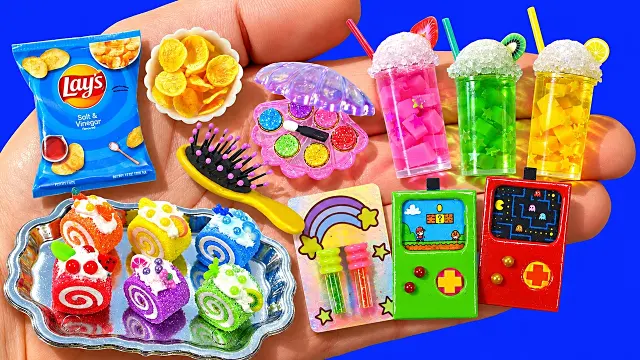 DIY Miniature Crafts for Barbie Including Drinks, Cakes, and Makeup
 DIY Miniature Gatorade Drink Bottles in Five Colors
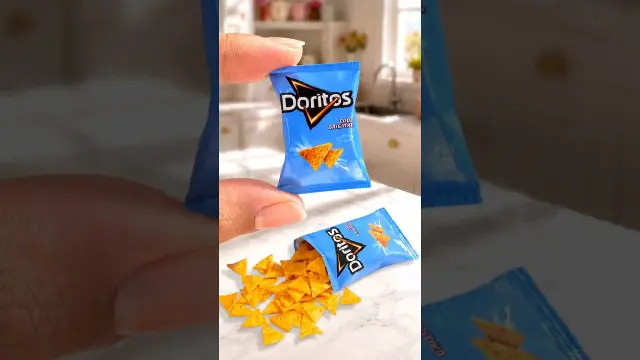 DIY Miniature Doritos Chips Bag and Tiny Paper Snacks
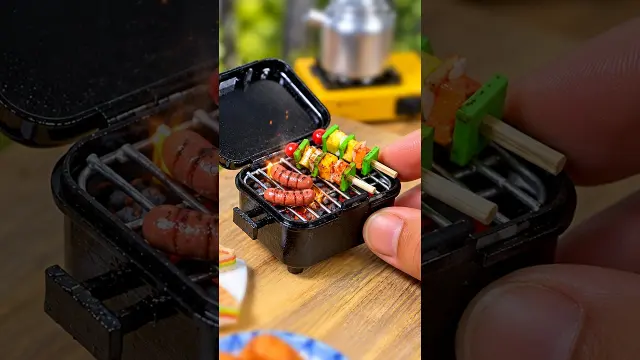 DIY Miniature BBQ Grill with Sizzling Sausages and Skewers
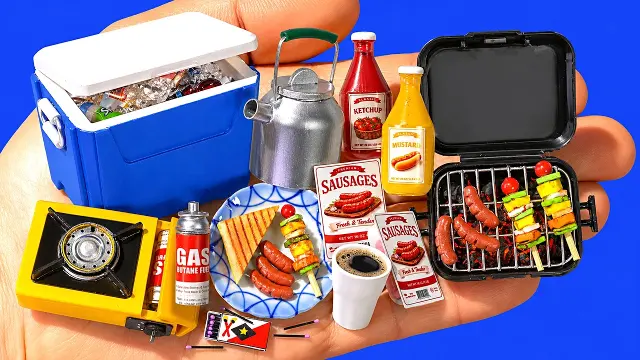 DIY Miniature Camping Supplies and Outdoor Cooking Gear
Get new #Dollhouse ideas by email
Every Thursday: the week's best ideas, with the newest from #Dollhouse.
Related tags
Dollhouse Miniatures and Tiny Home Scenes
Dollhouses are miniature homes created for play, display, collecting, and craft. They can range from simple toy houses to highly detailed scale models with rooms, furniture, wallpaper, lighting, and tiny everyday objects. For many people, a dollhouse is more than a toy: it is a small world where design, storytelling, and handcraft come together.
What a dollhouse is
A dollhouse is usually a scaled-down version of a real house or room. Some are made for children’s play, while others are made by hobbyists and collectors who enjoy building and decorating every detail. The appeal lies in creating a believable little space, whether it looks like a cozy family home, a shop, a cottage, or a modern apartment.
Dollhouse miniatures often include tables, chairs, beds, dishes, books, food, plants, and other tiny objects. These details help bring the scene to life and make the house feel inhabited.
Read more
Where the tradition comes from
Miniature rooms and houses have been made for a long time, often as objects of curiosity, craft, and display. In different periods and places, they have served as toys, teaching tools, artistic models, and collectibles. Today, dollhouses continue to be popular because they combine nostalgia, design, and hands-on making.
Common styles
Dollhouses can be made in many styles, and you can choose one that suits your taste:
- Traditional houses with pitched roofs, shutters, and classic furniture
- Modern homes with clean lines, simple colors, and contemporary decor
- Cottage or farmhouse styles with warm, rustic details
- Fantasy or themed houses inspired by stories, seasons, or favorite hobbies
- Room boxes or single-room scenes for smaller, focused displays
You do not need to follow one strict style. Many people enjoy mixing realistic interiors with playful details.
Techniques and materials
Dollhouse building can be as simple or as detailed as you like. Common materials include cardboard, wood, paper, fabric, clay, and lightweight plastics. Beginners often start with one room, then add more pieces over time.
Useful techniques include:
- Cutting and measuring carefully for clean edges
- Using glue suitable for the chosen material
- Painting small surfaces in thin layers
- Making paper wallpaper or printed floor patterns
- Adding fabric scraps for curtains, bedding, or cushions
- Using clay or paper to shape tiny food and accessories
Small details matter, but you do not need to make everything at once. A few well-chosen pieces can make a room feel complete.
Tips for beginners
If you are new to dollhouses, start simple. Choose one scale and keep it consistent so furniture and accessories fit together properly. Begin with basic rooms and add detail gradually. It is also helpful to plan the layout before decorating, especially if you want doors, windows, or shelves to work properly.
Try to think like a decorator in miniature. Use color, texture, and balance just as you would in a real room. At the same time, remember that dollhouses are meant to be enjoyable. Imperfect handmade pieces often give them charm.
Why people love them
Dollhouses invite creativity, patience, and storytelling. They can be playful, decorative, or deeply detailed, and they often become treasured keepsakes. Whether you are building a tiny kitchen, arranging a bedroom, or making miniature food and drinks, the pleasure comes from turning small materials into a complete little world.
Videos come from YouTube and posts from Instagram; titles and summaries are our own. All rights belong to their creators.