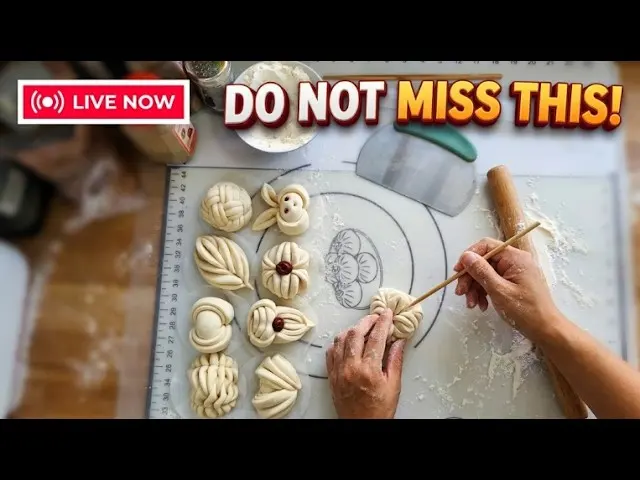
 Traditional Chinese pastry shaping with lotus and peach buns
#Dough Shaping
2 ideas
Traditional Chinese pastry shaping with lotus and peach buns
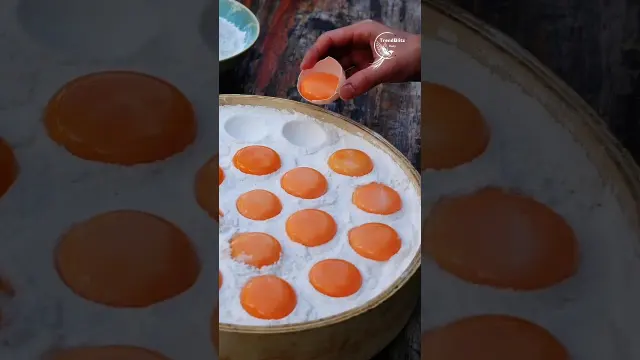 Handmade lotus flower pastry with delicate layered shaping
Get new #Dough Shaping ideas by email
Every Thursday: the week's best ideas, with the newest from #Dough Shaping.
Related tags
Dough Shaping: Techniques for Beautiful Bakes
Dough shaping is the process of forming dough into a final shape before baking. It is used for bread, buns, rolls, pastries, dumplings, and many other baked or steamed foods. Beyond appearance, shaping also affects how dough rises, bakes, and feels to eat. A neat shape can help create even texture, a good crumb, and a more consistent result.
What dough shaping involves
At its simplest, dough shaping means turning a mass of dough into something structured and purposeful. Sometimes that is a plain round loaf or an oval roll. In other cases, it may be folded, rolled, braided, twisted, filled, or cut into decorative forms. In many cuisines, shaping is part of both practical cooking and traditional presentation.
Different doughs behave differently. Soft enriched doughs, such as those used for sweet buns, are often shaped gently so they stay airy. Firmer doughs, such as those for bread or noodles, can handle more rolling and folding. Pastry doughs may be pressed, pinched, or layered to create a delicate finish.
Read more
Common shaping styles
- Round shaping: used for loaves, buns, and small rolls
- Oval shaping: common for sandwich breads and artisan-style loaves
- Braiding and twisting: adds decoration and can help portion dough evenly
- Pinching and pleating: often used for filled buns, dumplings, and pastries
- Rolling and layering: useful for laminated or folded doughs
- Cut-and-arrange designs: often seen in decorative breads and pastry tops
You may also see floral or symbolic shapes in traditional baking. These are often made by combining small folds, cuts, and carefully pinched edges to form petals, leaves, or other decorative elements.
Techniques beginners should know
A good shape starts with properly rested dough. If dough is too tense, it may spring back and resist shaping. If it is too slack, it may lose structure. A short rest between steps can make shaping much easier.
For most doughs, it helps to work on a lightly floured surface. Use gentle but confident movements. Try to create surface tension by pulling the outer skin of the dough slightly taut as you shape it. This helps the dough hold its form during rising and baking.
Basic steps often include:
- Divide the dough evenly
- Pre-shape it into a rough ball or log
- Let it rest briefly
- Shape it into the final form
- Place it seam-side down or as directed by the recipe
Practical tips
Keep your hands and tools clean and dry enough to handle the dough without sticking. Use only as much flour as needed, since too much can prevent the dough from sealing properly. If you are working with filled dough, avoid overfilling, or the shape may burst during cooking.
Try to make each piece similar in size if you want even baking. If you are making decorative shapes, practice the basic form first before adding details. It is often easier to shape a simple, tidy piece well than to force a complicated design.
With time, you will notice how different doughs respond to touch. That is the heart of dough shaping: learning how to guide the dough without fighting it.
Videos come from YouTube and posts from Instagram; titles and summaries are our own. All rights belong to their creators.