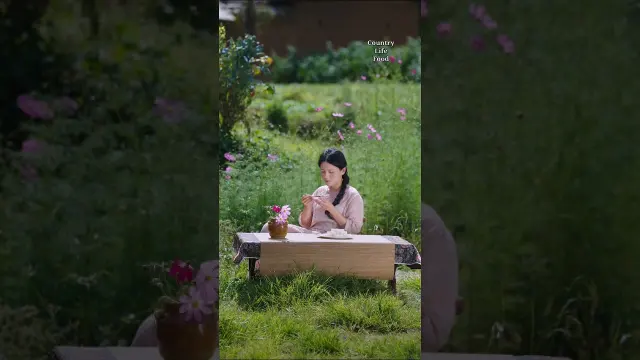
 Crafting an Ancient Ice Crystal Cake Recipe
#Traditional Pastry
14 ideas
Crafting an Ancient Ice Crystal Cake Recipe
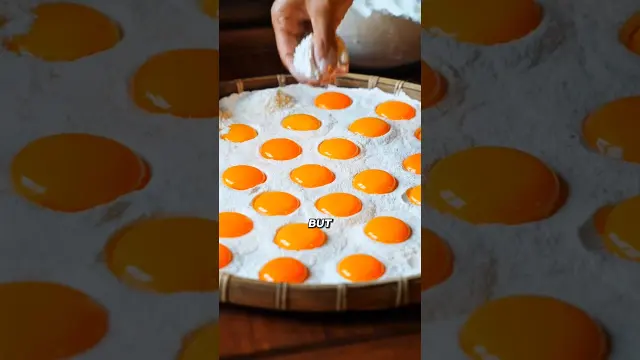 Ancient Chinese Salt-Cured Egg Yolk Pastry Technique
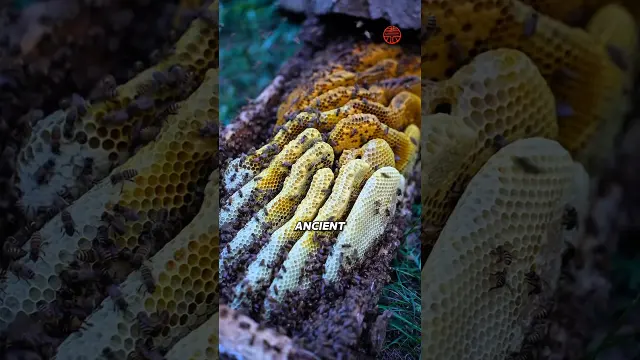 Ancient Chinese Thousand-Layer Horse Hoof Pastry
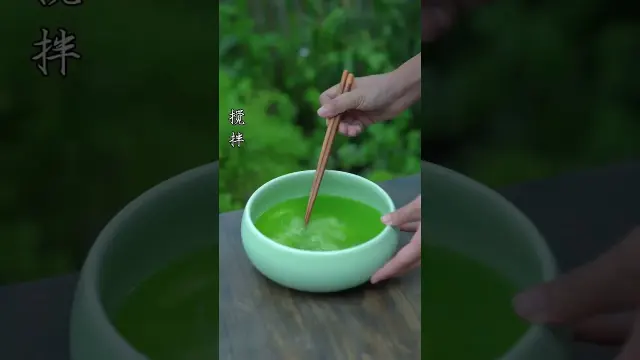 Pandan Coconut Layered Water Chestnut Cake
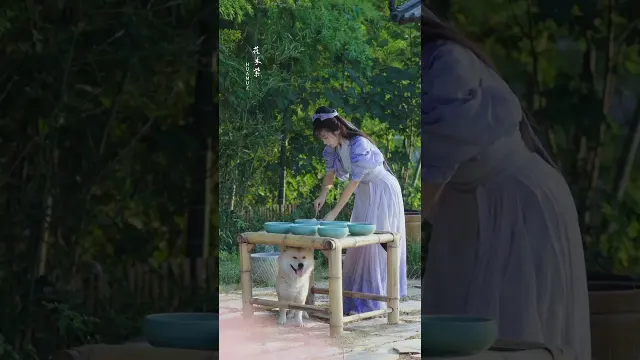 Thousand-Year-Old Peony and Horseshoe Pastries
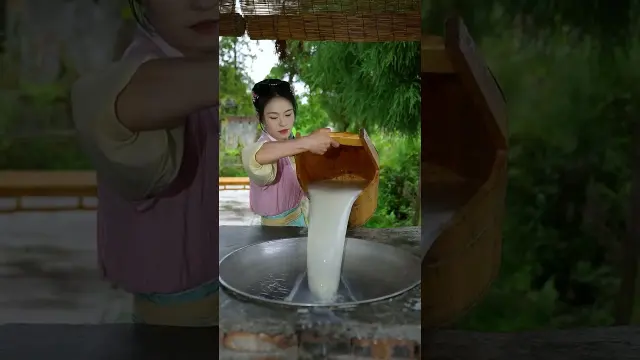 Cornmeal and Maltose Thousand-Layer Pastry
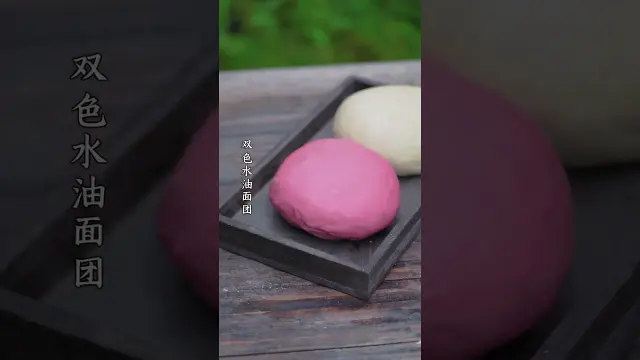 Complete Guide to Handmade Lotus Flower Pastry
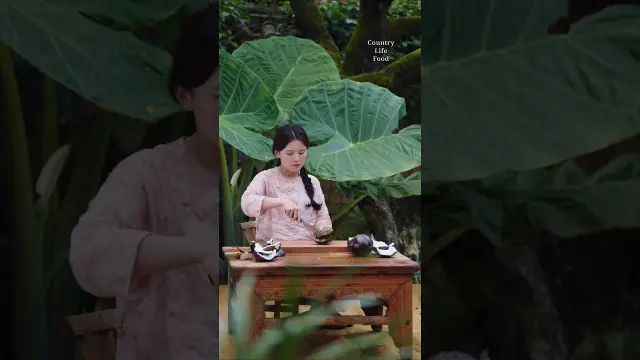 Homemade Traditional Chinese Lotus Pastry
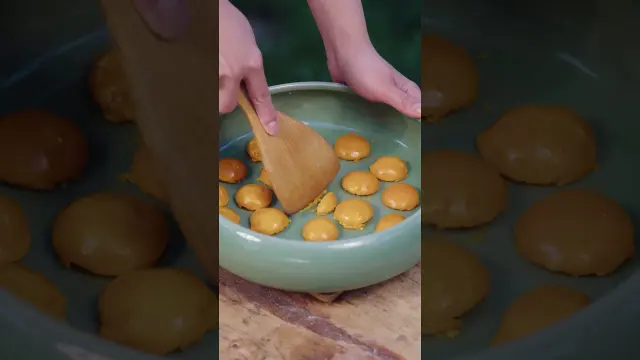 Blooming Lotus Blossom Pastry
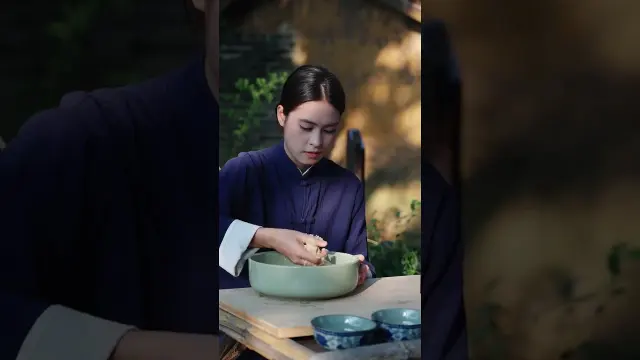 Handcrafted Petal-Like Lotus Pastries
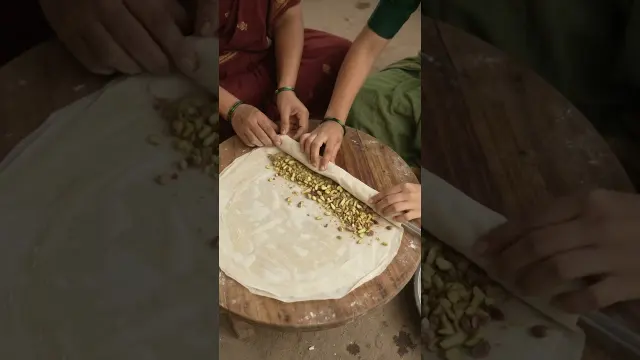 Step-by-Step Traditional Baklava Layers
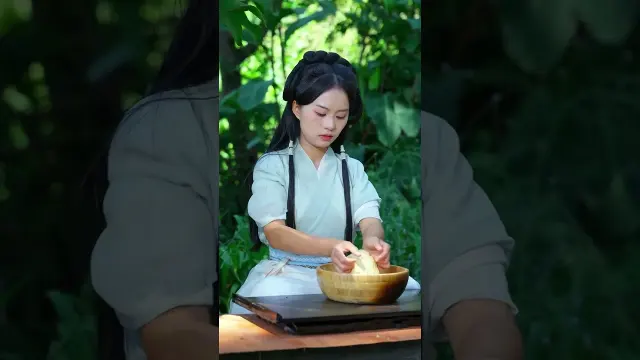 Purple Sweet Potato and Lotus Mooncakes
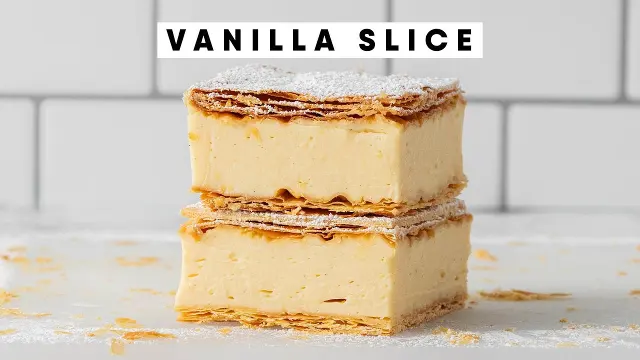 Classic Vanilla Slice with Flaky Pastry and Custard
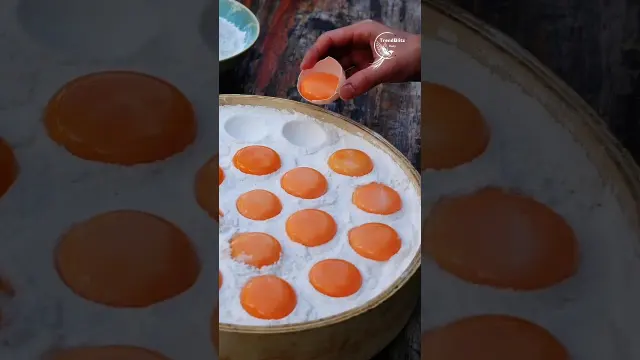 Handmade lotus flower pastry with delicate layered shaping
Get new #Traditional Pastry ideas by email
Every Thursday: the week's best ideas, with the newest from #Traditional Pastry.
Related tags
Traditional Pastry: Heritage Bakes and Classic Skills
Traditional pastry is the kind of sweet or savoury bake that grows out of long-held culinary customs. It can mean a crisp tart shell, a flaky pie crust, a laminated dough, or a filled pastry shaped by hand. Across many cultures, pastry has been used for everyday meals, celebrations, and seasonal treats, often built from simple ingredients such as flour, fat, water, sugar, eggs, fruit, nuts, spices, or cheese.
What makes a pastry “traditional” is usually not a single recipe, but the method and the memory behind it. Many traditional pastries developed in home kitchens and bakeries where cooks needed food that could be shaped, filled, preserved, and shared. Over time, each region adapted the basic idea to local ingredients and preferences. That is why you find so many forms: folded pastries, rolled pastries, filled buns, lattice pies, delicate layered sweets, and rich festive bakes.
Common styles and kinds
Traditional pastry can be broadly grouped by dough and structure. Shortcrust pastry is tender and crumbly, used for pies and tarts. Puff pastry is light and layered, rising in the oven to create a crisp, airy texture. Laminated doughs are similar in spirit and require careful folding to build layers. Enriched doughs include butter, milk, or eggs, giving a softer crumb and a richer taste. Many traditional pastries are filled with fruit, jam, custard, nuts, spices, minced savoury fillings, or sweetened cheese.
Read more
Techniques that matter
The heart of pastry making is texture. Keeping ingredients cool for flaky doughs helps the fat stay in visible layers, which creates lift and tenderness. Gentle mixing prevents toughness. Rolling evenly helps pastry bake at the same rate, and a little patience while chilling or resting the dough often makes shaping easier. For filled pastries, sealing the edges well is important so the filling stays inside and the shape holds.
Decorative shaping is also part of the tradition. You might crimp edges, braid strips, cut vents, twist ropes of dough, or form flowers, knots, and parcels. These details are not only beautiful; they also show the hand of the maker.
What beginners should know
If you are new to pastry, start with one simple dough and learn how it behaves. Follow the recipe closely the first time, especially when it comes to mixing, resting, and baking temperature. Do not rush the handling of the dough. If it becomes too soft, chill it briefly. If it tears, patch it gently rather than starting over. A little imperfection is part of homemade pastry and often adds charm.
Practical tips
- Use good-quality basic ingredients, since pastry depends on them.
- Measure carefully, especially flour and fat.
- Rest the dough before rolling when the recipe suggests it.
- Bake until the pastry is fully set and evenly coloured.
- Let baked pastries cool before cutting or filling, if needed.
Traditional pastry invites you to slow down and work with your hands. Once you understand the basic doughs and shaping methods, you can make recipes that feel both comforting and timeless.
Videos come from YouTube and posts from Instagram; titles and summaries are our own. All rights belong to their creators.