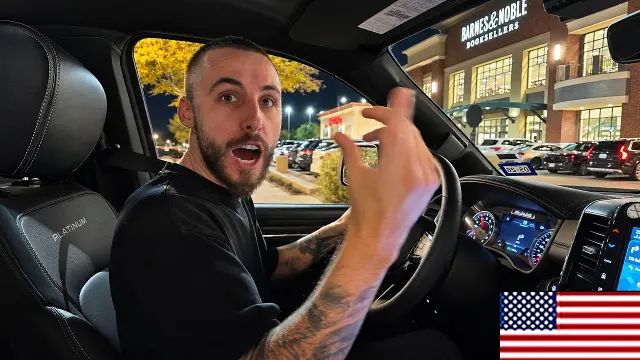
 British Driver Takes On American Roads for the First Time
#Driving In America
1 ideas
British Driver Takes On American Roads for the First Time
Get new #Driving In America ideas by email
Every Thursday: the week's best ideas, with the newest from #Driving In America.
Related tags
Driving in America: A First-Timer's Guide to the Open Road
Driving in America carries a certain image: a long straight highway, a car with the windows down, roadside diners and towns that appear and vanish in the mirror. That picture is only part of the story, but it explains why the experience appeals to so many visitors and why the idea of it has travelled so far beyond the country itself.
The basics
Traffic keeps to the right, the steering wheel sits on the left, and most cars are automatic. That last point matters more than it sounds: if you have only ever driven a manual, the absence of a clutch takes a little getting used to, and so does the way an automatic creeps forward when you lift your foot from the brake. Roads are often generous in width, with lanes sized for large vehicles, and parking spaces follow the same logic.
Signs and junctions
Read more
American road signs rely on words as much as symbols, so read them rather than scanning for familiar pictograms. The four-way stop is the junction that surprises most newcomers: vehicles arrive, take turns, and the first to arrive goes first, with a polite wave when two arrive together. Turning right at a red light is often permitted after stopping, but not everywhere, so look for the sign that confirms it. Speed limits are posted in miles per hour and are treated as a limit rather than a target.
Distances and planning
The single greatest adjustment is scale. A drive that looks modest on a map can take most of a day, and stretches between towns may offer little but fields, trees and the occasional fuel station. Plan each leg honestly, keep water and snacks in the car, and treat a full tank as a courtesy to your future self. Interstate highways are fast and functional; smaller state roads and scenic byways are slower and far more rewarding if you have the time.
Practical habits
- Keep your documents with you and check the rules for the state you are entering, since some vary from place to place.
- Fuel up before long rural stretches rather than after the gauge starts complaining.
- Give trucks and long vehicles room; they need more space to stop and turn than you might expect.
- Drive-throughs, from coffee to pharmacy counters, are a genuinely useful part of the culture.
- In hot, empty country, never leave a child or an animal in a parked car, even briefly.
What beginners should know
Confidence comes from calm repetition. Start on quieter roads, learn the rhythm of the stop signs, and let yourself be overtaken without apology. American driving is less about technical skill than about patience, distance and a willingness to enjoy the space between places.
#Driving In America: frequently asked questions
How do I get started with driving in America if I've only driven at home?
Begin on quieter local roads rather than plunging straight onto a highway, so the layout and the road furniture stop feeling unfamiliar. Let yourself be overtaken without apology and build up to longer stretches once the rhythm of junctions feels natural. Most of the adjustment is mental rather than technical: calm repetition does more than any amount of studying.
What should I know before my first drive on American roads?
Traffic keeps to the right and the steering wheel is on the left, and most cars are automatic, which means no clutch and a slight creep forward when you release the brake. Signs lean on words rather than symbols, so read them instead of hunting for a picture you recognise. Carry your documents, and check the rules for the particular state you are entering, because they are not identical everywhere.
What kind of driving should I choose for a road trip?
Interstate highways are quick and purely functional, useful when the point is to cover ground. Smaller state roads and scenic byways are slower but give you the towns, diners and countryside that make the trip worth remembering. Pick according to how much time you have rather than how far you feel you should go.
What are the most common mistakes visitors make when driving in America?
Underestimating distance is the big one: a drive that looks modest on the map can eat most of a day, and the gaps between towns can offer little beyond fields and trees. Many newcomers also misread the all-way stop, where vehicles take turns in arrival order, or assume a right turn on red is always allowed when it depends on the sign. Leaving fuel until the gauge complains is another easy habit to fall into on rural stretches.
How do I look after myself and my passengers on a long drive?
Keep water and snacks in the car, fill the tank before long empty stretches as a courtesy to your future self, and plan each leg honestly instead of optimistically. Give trucks and other long vehicles plenty of room, since they need far more space to stop and turn than you might expect. In hot, empty country, never leave a child or an animal in a parked car, even briefly.
Videos come from YouTube and posts from Instagram; titles and summaries are our own. All rights belong to their creators.