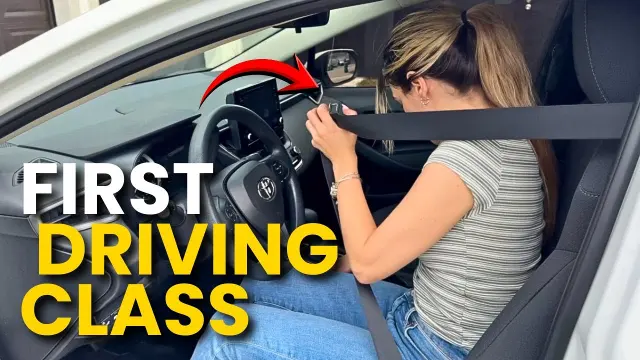
 Beginner Driving Lesson: Your First Practice Session Step by Step
#First Time Driving
7 ideas
Beginner Driving Lesson: Your First Practice Session Step by Step
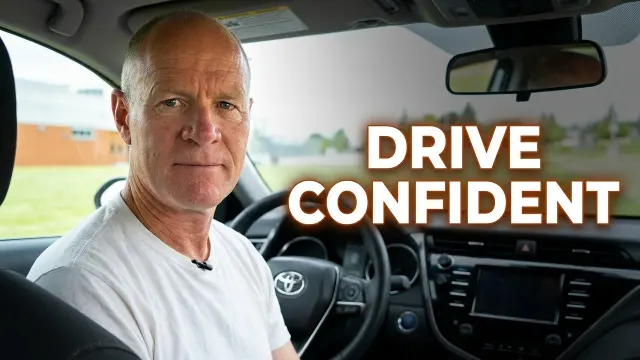 First Time Driving: What to Do Before You Move the Car
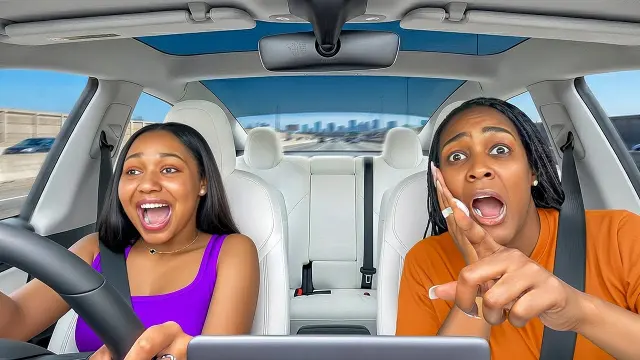 Family Vlog: A Teen's First Time Driving on the Highway
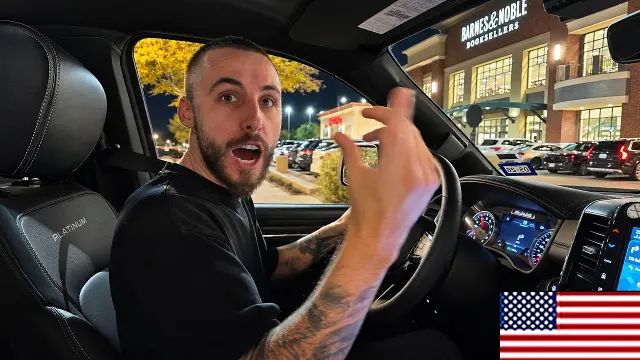 British Driver Takes On American Roads for the First Time
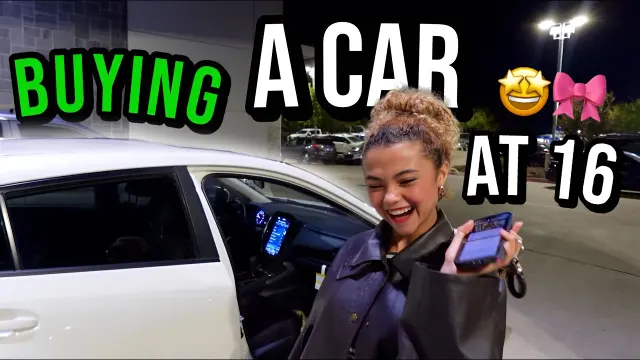 Teen Documents Her First Solo Drive in a Brand New Car
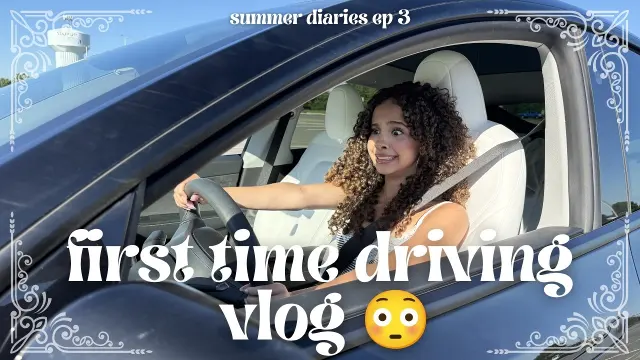 A Teenager's First Permit Test and First Driving Lesson
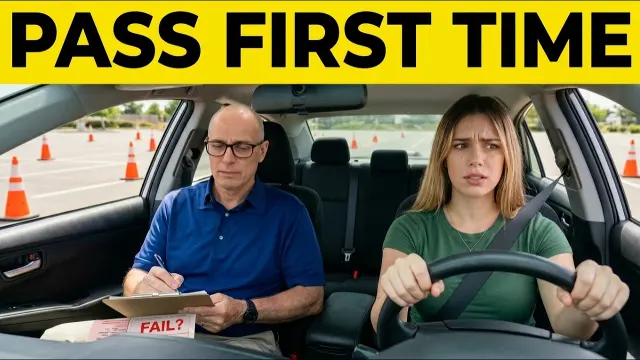 Essential Tips And Strategies To Pass Your DMV Road Test
Get new #First Time Driving ideas by email
Every Thursday: the week's best ideas, with the newest from #First Time Driving.
Related tags
First Time Driving: A Calm Guide for New Drivers
The first time you sit in the driver's seat with the engine running, everything feels louder and faster than it looked from the passenger side. That is normal. Driving is a physical skill and a mental one at the same time: your hands and feet learn a routine, and your eyes learn to read the road ahead. Nobody is born knowing it, and almost everyone feels clumsy at the start.
Before the engine starts
Get the car set up around you before you go anywhere. Move the seat so you can press the clutch or brake fully with a slight bend in the knee, and adjust the backrest so your arms are relaxed, not stretched, on the wheel. Set the mirrors, fasten your belt, and find the lights, indicators and wipers with your hands while you are still parked. Learning where things are without looking saves you a moment of panic later.
The first hours behind the wheel
Read more
Start somewhere empty and calm: a quiet car park, an unused road, a familiar residential street at a slow hour. The goal of the earliest sessions is not distance but smoothness. Practise pulling away and stopping until it stops feeling dramatic, then add gentle turns, then junctions. Short sessions work better than long ones, because concentration runs out before enthusiasm does.
The basics that matter most
- Look far ahead, not at the bonnet. The car follows your eyes.
- Use smooth, gradual inputs on the pedals and the wheel. Most beginner wobbles come from small corrections made too sharply.
- Keep both hands on the wheel in a comfortable position and let it slide back through your fingers as you straighten out of a turn.
- Brake earlier and more gently than feels necessary at first, and leave a generous gap in front of you.
- Check your mirrors regularly, but remember they cover only part of what is around you.
Learning with someone beside you
A calm, experienced driver makes an enormous difference. Agree on the route before you set off, keep the commentary supportive rather than constant, and talk through what went well afterwards instead of listing every mistake. If a session goes badly, stop, take a break, and come back to it another day. Confidence returns faster than you expect.
Nerves, and how to handle them
Feeling tense is not a sign that you are unsuitable for driving. It usually means you care about doing it well. If your shoulders creep up, breathe out slowly, loosen your grip, and if you need to stop, pull over somewhere safe and legal and take a minute. That is a skill in itself, and one experienced drivers use too.
Building up slowly
Add difficulty one layer at a time: heavier traffic, then rain, then dusk, then faster roads, each with someone beside you until it feels ordinary. Learn the rules of your own country and follow the licensing process where you live. There is no prize for rushing.
#First Time Driving: frequently asked questions
How should I begin my first driving practice session?
Start in a quiet, low-pressure place where you can focus on the basics without worrying about traffic. Begin with sitting comfortably, checking mirrors, and getting familiar with the controls before moving off slowly. Short, calm sessions are usually better than trying to do too much at once.
What do I need to check before I start driving for the first time?
Make sure the seat, mirrors, and steering position are adjusted so you can reach everything comfortably. Fasten your seat belt and locate the lights, indicators, and wipers while the car is still parked. Knowing where the controls are helps you stay calm once you start moving.
Which type of roads or places are best for a first drive?
A quiet parking area, an empty road, or a familiar residential street is ideal for early practice. These places let you get used to pulling away, stopping, and turning without too many distractions. As you feel more comfortable, you can gradually add more challenging roads and conditions.
What are the most common mistakes new drivers make?
Many beginners look too close to the front of the car instead of scanning farther ahead. Another common issue is making steering or braking inputs too sharply, which can make the car feel jerky. Staying smooth, leaving extra space, and checking mirrors regularly can help a lot.
How can I feel less nervous during my first time driving?
Nerves are normal, especially when everything feels new and fast. Take slow breaths, keep your grip relaxed, and pause somewhere safe if you feel overwhelmed. Having a calm, experienced person beside you can also make the first sessions much easier.
Videos come from YouTube and posts from Instagram; titles and summaries are our own. All rights belong to their creators.