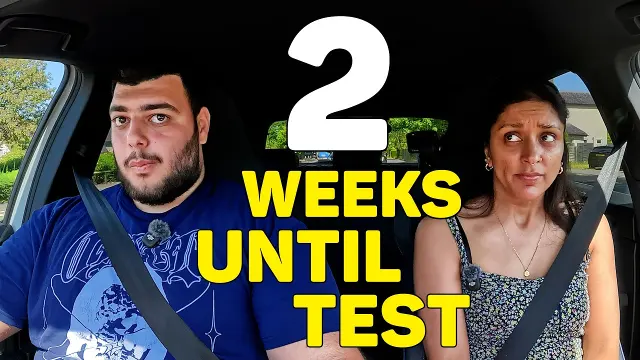
 Driving Mock Test After Only Sixteen Hours of Lessons
#Learner Driver
5 ideas
Driving Mock Test After Only Sixteen Hours of Lessons
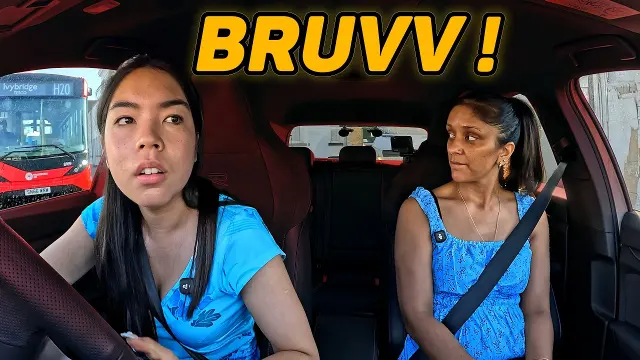 Learner Tackles Her First Mock Driving Test a Week Before the Exam
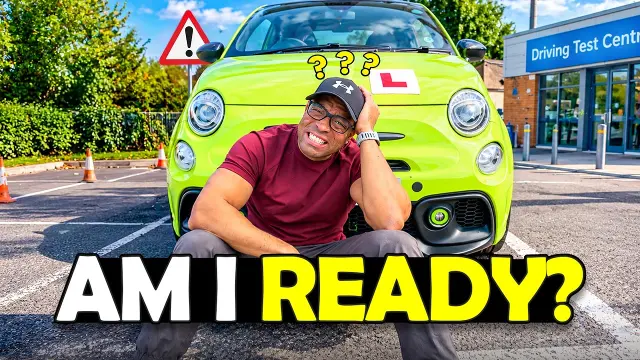 Eight Signs You Are Actually Ready for Your Driving Test
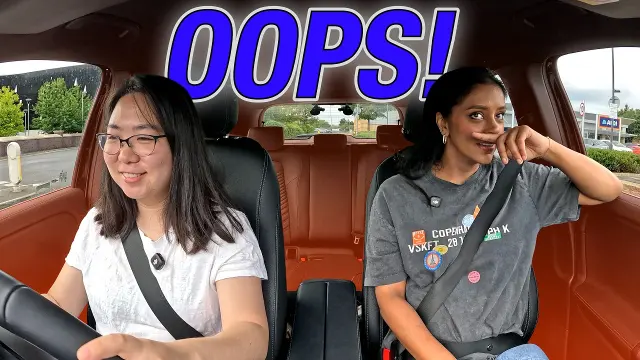 Reversing Goes Wrong in an Automatic Car Mock Test
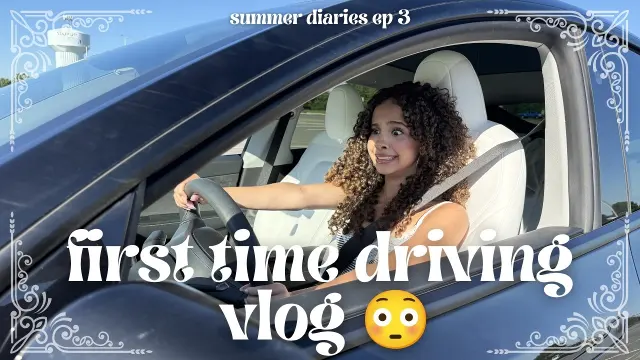 A Teenager's First Permit Test and First Driving Lesson
Get new #Learner Driver ideas by email
Every Thursday: the week's best ideas, with the newest from #Learner Driver.
Related tags
Learning to Drive: A Guide for Learner Drivers
Learning to drive is one of those skills that changes how you live. It opens up work, study, family life and free time, and it gives you a kind of independence that is hard to get any other way. It also takes time. Almost nobody becomes a confident driver in a few lessons, and the people who look relaxed behind the wheel have usually spent many hours getting there.
The first step in most places is a learner permit or licence, which usually involves a theory or written test on road rules, signs and safe behaviour. Rules vary a lot between countries and regions, so check the requirements where you live: the minimum age, the documents you need, whether you must be accompanied, and any limits on when or where you may drive. Understanding the theory properly is worth the effort. It makes the practical side far easier, because you recognise situations instead of reacting to them for the first time.
Lessons and practice
A qualified driving instructor gives you structured progress and correction, and it is the best way to start. Practising with a calm, experienced supervising driver between lessons is just as valuable, because time behind the wheel is what builds real skill. Keep practice sessions short and focused, especially at the beginning. Twenty concentrated minutes in quiet streets teaches more than an hour of tired, nervous driving.
Read more
The skills that matter most
Good driving rests on a few habits rather than on talent. Look far ahead rather than just at the car in front. Keep a safe following distance. Check mirrors regularly and always before changing speed or direction. Signal clearly and in good time. Move smoothly, braking and steering gently so that passengers feel almost nothing. Junctions, roundabouts and lane changes are where most learning happens, so give them time and repeat them often.
Manoeuvres
Reversing, parking, turning the car around and hill starts are the parts learners worry about most. They are easier once you understand the shape of the manoeuvre instead of memorising steps. Go slowly, use reference points on the car and the kerb, and use all-round observation rather than mirrors alone. If it goes wrong, stop and start again. Doing it correctly once calmly teaches more than three rushed attempts.
Preparing for the test
Mock tests are useful because they show you where you stand well before the real thing. Treat them as information, not as a verdict. In the days before your test, drive familiar as well as unfamiliar roads, review the rules that catch you out, and get enough sleep.
Nerves are normal. Breathe, drive at a pace you can manage, and remember that the examiner wants to see safe, steady driving rather than perfection. If you make a mistake, carry on and keep your attention on what comes next.
#Learner Driver: frequently asked questions
How do I begin learning to drive if I’m completely new to it?
Start by checking the learner permit or licence rules where you live, including any written or theory test requirements. Once you have that in place, begin with a qualified instructor and build in short practice sessions with a calm supervising driver.
What should a learner driver focus on first?
The most useful early habits are reading the road ahead, checking mirrors often, and signalling clearly before you change speed or direction. Smooth braking, gentle steering, and steady observation matter far more than trying to do everything quickly.
Is it better to learn with an instructor or with family or friends?
A qualified instructor is the best place to start because they give you structured feedback and help you correct mistakes early. Extra practice with an experienced, calm supervising driver is also valuable because it gives you more time behind the wheel.
What are the hardest driving skills for beginners to learn?
Many learners find reversing, parking, turning around, hill starts, junctions, roundabouts, and lane changes the most challenging. These become easier when you slow down, use reference points, and keep looking all around instead of relying on mirrors alone.
How can I prepare for a driving test without feeling overwhelmed?
Mock tests are a good way to see what still needs work before the real thing. In the final days, practise on a mix of familiar and unfamiliar roads, review the rules you keep missing, and try to arrive rested and calm.
Videos come from YouTube and posts from Instagram; titles and summaries are our own. All rights belong to their creators.