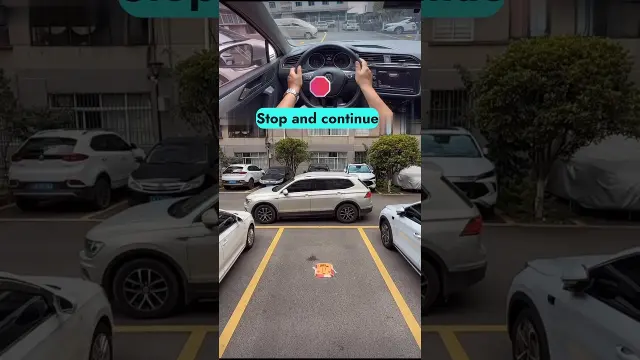
 Beginner Driving Lesson Day Three: Steering, Clutch and Gears
#Driving Lesson
12 ideas
Beginner Driving Lesson Day Three: Steering, Clutch and Gears
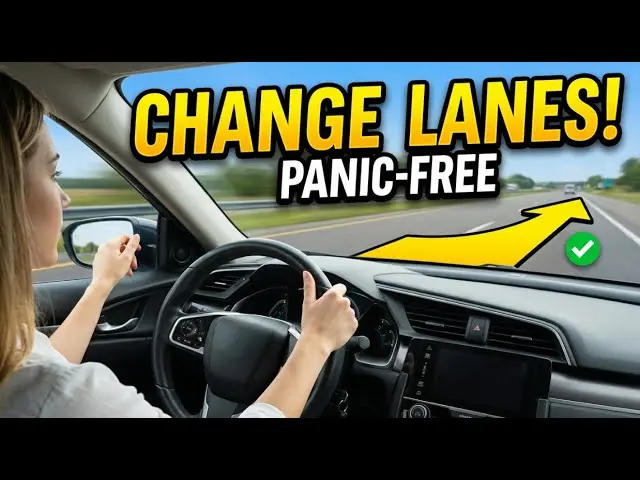 How to Change Lanes Safely: A Step-by-Step Guide for New Drivers
 Driving Mock Test After Only Sixteen Hours of Lessons
 First Time Driving: What to Do Before You Move the Car
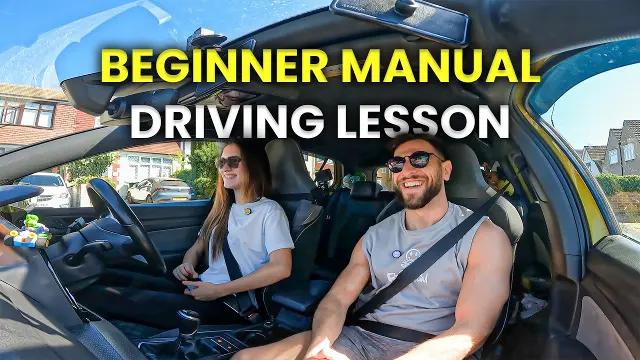 A Beginner's First Manual Driving Lesson: Mirrors and Clutch
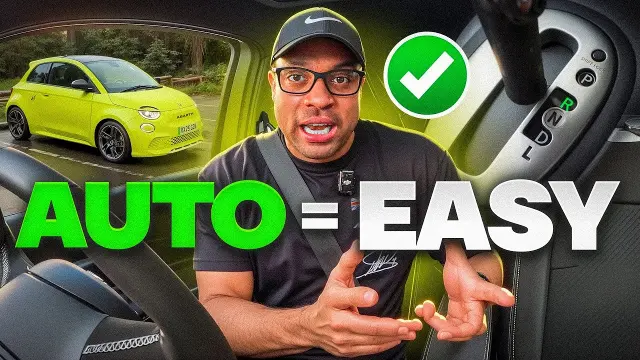 Beginner Guide to Driving an Automatic Car Step by Step
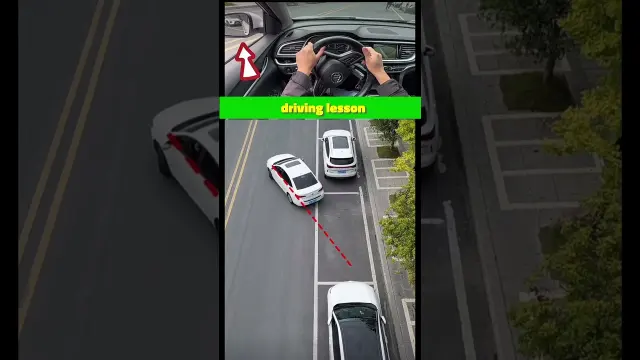 How to Drive a Car for Beginners, With Parking Basics
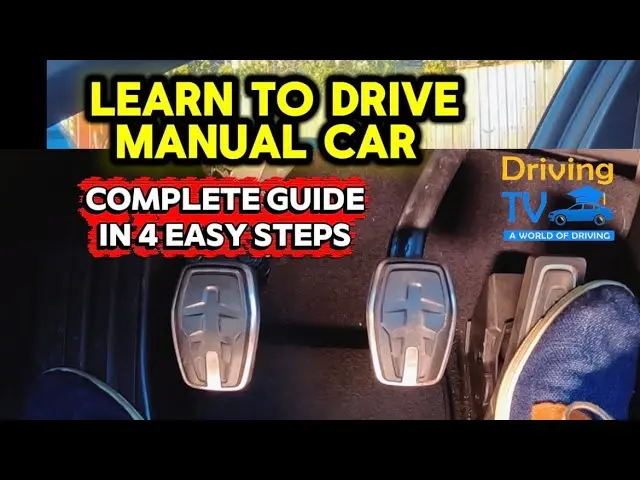 Learning to Drive a Manual Car: Four Steps Explained in 20 Minutes
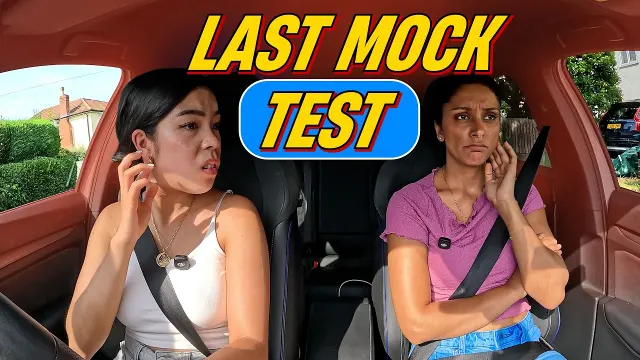 Final Driving Mock Test the Day Before the Real Exam
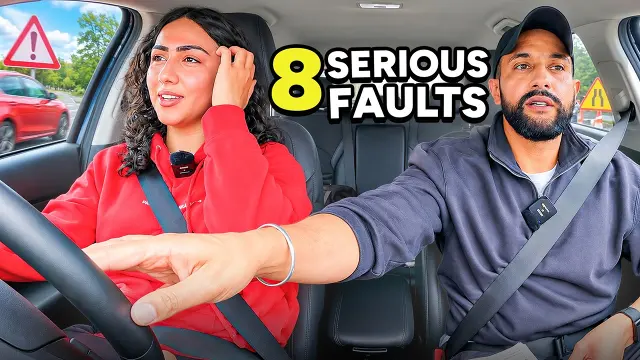 UK Driving Mock Test With 8 Serious Faults Three Days Out
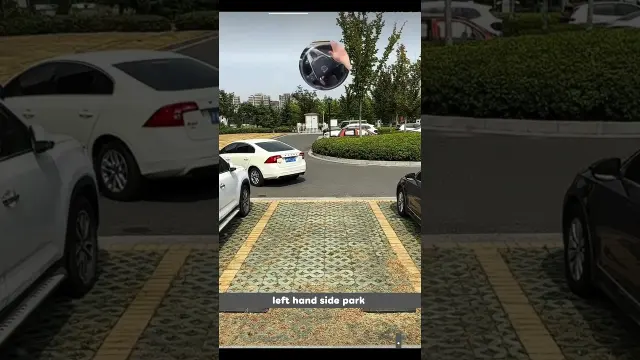 Beginner Driving Lesson: Parking Techniques and Test Tips
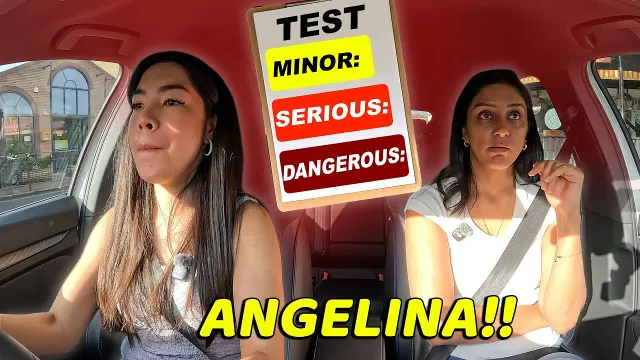 First Mock-Style Drive a Month Before the Driving Test
Get new #Driving Lesson ideas by email
Every Thursday: the week's best ideas, with the newest from #Driving Lesson.
Related tags
Driving Lessons: A Beginner's Guide to Learning to Drive
Learning to drive is one of those skills that looks effortless from the passenger seat and feels overwhelming from behind the wheel. A driving lesson is simply structured practice: an instructor or experienced driver guides you through the controls, the rules of the road and the judgements that keep you safe, building up gradually from an empty car park to busy traffic.
What lessons are actually for
Most people assume the car itself is the hard part. In reality, the vehicle becomes familiar within a few hours. The lasting work is in observation, positioning, anticipation and decision-making — noticing a pedestrian hesitating at a crossing, judging whether there is room to pull out, understanding who has priority at a junction. Good lessons train these habits from the start, because habits formed early are the ones you keep.
The early lessons
Beginners usually begin with the pre-drive routine: adjusting the seat so the clutch or brake can be pressed fully, setting the mirrors, checking the handbrake, fastening the belt. You then learn to move off and stop smoothly, to steer accurately, and to use the gears or the automatic selector. Moving off on a slope, where the car tends to roll back, is usually taught early too, since it teaches you how the clutch and the brakes work together. Many learners spend their first sessions on quiet roads or in a practice area, simply getting used to the feel of the car and how gently the controls respond.
Manual or automatic
The choice depends on where you live and what you plan to drive. A manual gearbox adds a layer of coordination — clutch, accelerator and gear lever — that takes time, but it gives you more control at low speeds and lets you drive more vehicles. An automatic removes that coordination entirely, letting you concentrate on the road. Neither is a shortcut to being a good driver; both require the same observation and judgement.
Read more
Skills that come later
As confidence grows, lessons move to junctions, roundabouts, lane changes, dual carriageways or motorways where permitted, and parking. Parking is rarely one technique but several: bay parking, parallel parking, and reversing into a space, each with its own points of reference. They all reward patience and a slow, deliberate approach rather than speed. Lane changes follow a similar pattern — mirror, signal, blind spot, manoeuvre — and are worth practising until the sequence is automatic.
Making the most of your practice
Consistency matters more than intensity. Short, regular sessions beat occasional long ones. Between lessons, review what went well and what did not, and ask your instructor to explain anything that felt unclear rather than simply repeating it. Mock tests are useful not as a verdict but as a way of finding the habits that slip when you are concentrating hard. Practice with a supervising driver in familiar areas helps too, provided you follow the rules for learner drivers where you live.
A final word
Progress is rarely a straight line. Everyone has lessons where nothing seems to work, followed by ones where it suddenly clicks. If you feel stuck, say so — a different explanation, a slower pace or a different route often solves it. Learning to drive takes the time it takes, and arriving at your test calm and well practised is worth more than arriving early.
#Driving Lesson: frequently asked questions
How do I start my very first driving lesson?
Your first session usually begins before the car moves at all: setting the seat so you can press the pedals fully, adjusting the mirrors, checking the handbrake is on and fastening your belt. After that you practise moving off and stopping gently on a quiet road or in a practice area, getting used to how softly the controls respond. Expect the car itself to feel familiar within a few hours — the real work starts afterwards.
Do I need anything before I begin taking lessons?
You need to meet whatever licensing and learner-permit requirements apply where you live, and it helps to have an instructor or an experienced supervising driver who stays calm and explains things clearly. Comfortable shoes and an unhurried frame of mind matter more than anything else. Rules for learners vary by place, so check the local requirements before you book.
Should I learn in a manual or an automatic car?
It depends on where you live and what you intend to drive. A manual adds clutch, accelerator and gear-lever coordination that takes time to master but gives finer control at low speeds and lets you drive more vehicles; an automatic frees you to focus on the road. Neither makes you a better driver on its own, because observation and judgement are the same in both.
What should I practise first once I can move off?
Moving off and stopping smoothly, steering accurately and handling the gears are the early building blocks, and moving off on a slope is worth learning soon because it teaches how the clutch and brakes work together. From there, junctions, roundabouts, lane changes and parking come next. Lane changes reward repeating mirror, signal, blind spot, manoeuvre until the sequence happens without thinking.
How can I get the most out of my practice between lessons?
Short, regular sessions work better than occasional long ones, because consistency builds habits. Afterwards, think about what went well and what did not, and ask your instructor to explain anything that felt unclear instead of just repeating the same exercise. Driving in familiar areas with a supervising driver helps too, as long as you follow learner rules where you are.
What mistakes do learners make most often?
The common ones are treating the car as the hard part and neglecting observation, rushing manoeuvres such as parking and lane changes instead of taking them slowly, and cramming practice into rare long sessions. Another is staying silent when something feels wrong rather than asking for a different explanation or a slower pace. Progress is rarely a straight line, and a plateau usually breaks with a fresh approach rather than more effort.
Videos come from YouTube and posts from Instagram; titles and summaries are our own. All rights belong to their creators.