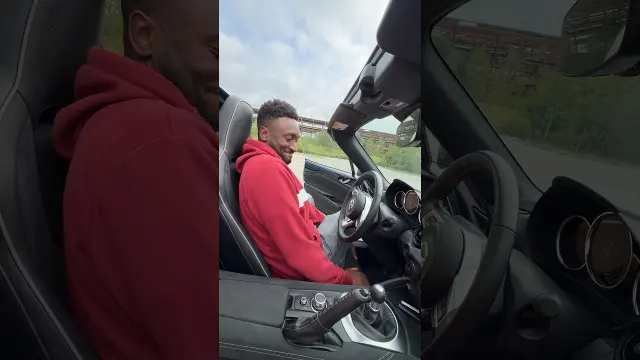
 Learning to Drive a Manual Car for the First Time
#Driving Basics
2 ideas
Learning to Drive a Manual Car for the First Time
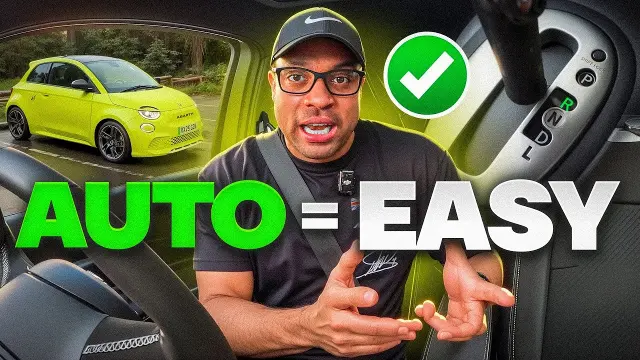 Beginner Guide to Driving an Automatic Car Step by Step
Get new #Driving Basics ideas by email
Every Thursday: the week's best ideas, with the newest from #Driving Basics.
Related tags
Driving Basics: A Calm Start for New Drivers
Learning to drive is less about talent than about patience and repetition. Most people feel clumsy behind the wheel at first, and that is normal — the car's controls respond to gentle, deliberate movements, and your hands and feet learn the patterns faster than you expect. What matters at the beginning is understanding what each control does, practising in quiet places, and building habits you will keep for years.
Getting to know the car
Before you move anywhere, sit in the driver's seat and adjust it so your back is supported and your legs can press the pedals to the floor without stretching. Set the mirrors so you can see a sliver of your own car on each side, and know where the lights, indicators, wipers and hazard switch are without looking. A car has three essential controls: a wheel for direction, pedals for speed and braking, and a gear selector. Everything else is comfort.
Automatic and manual
Read more
An automatic car does the gear changing for you: one pedal to go, one to stop, and a selector for drive, reverse and neutral. It removes a whole task from the beginner's plate, which is why many people learn on one first.
A manual car adds a clutch and a gear lever. The clutch separates the engine from the wheels so you can change gear. The skill is in the friction point — the moment when the pedal comes up and the car begins to pull — and in letting it engage smoothly while adding a little accelerator. Stalling happens to everyone at the start; it is a sign the clutch was released too quickly, not a failure. Practise pulling away and stopping on a flat, empty surface until the movement becomes automatic.
The habit of looking
New drivers tend to stare at the road immediately ahead. Aim your attention further down the road instead, and check your mirrors regularly so you always know what is behind and beside you. Before any manoeuvre, follow the same order every time: mirror, signal, then move. Turning your head to check a blind spot — the area the mirrors do not cover — is not optional.
Practical advice for early lessons
- Keep your first sessions short; twenty or thirty minutes of concentration is plenty.
- Choose quiet streets, empty car parks or industrial areas at quiet hours.
- Drive at a speed that lets you stop within the distance you can see.
- Leave more space than feels necessary, especially in rain or poor light.
- Say your observations aloud — it slows you down and shows a companion what you noticed.
- Never practise on a route you are not ready for, and always with someone experienced and legally permitted to supervise.
What takes longest
Judgement, not coordination. Knowing when a gap is big enough, how fast to take a corner, or what another driver is about to do comes only with hours in the car. Give yourself that time, drive in varied conditions as your confidence grows, and treat every drive as practice rather than a test.
#Driving Basics: frequently asked questions
How do I start learning to drive if I have never sat behind the wheel before?
Begin by getting comfortable in the driver's seat before the car moves at all: adjust the seat so your back is supported and your legs can reach the pedals without stretching, then set the mirrors. Once you know where the lights, indicators, wipers, hazard switch and gear selector are without looking down, you can start moving in a quiet, empty space at a slow pace. Short early sessions work better than long ones, because concentration fades faster than you expect.
Should I learn in an automatic or a manual car?
An automatic lets you focus on steering, looking and judging speed, since the car handles gear changes itself and you only deal with a pedal to go and a pedal to stop. A manual adds a clutch and gear lever, which is rewarding but splits your attention at the beginning. Many people start on an automatic to build confidence and move to a manual later if they want to.
What do I actually need before my first practice session?
You need a car you are legally allowed to drive, someone experienced sitting beside you who is permitted to supervise, and a quiet place to practise such as an empty car park or a calm street at a quiet hour. Beyond that, the only real requirements are comfortable shoes and enough patience to repeat the basics until they feel natural. Check the local rules for learner drivers before you go out.
Why does the car keep stalling when I try to pull away in a manual?
Stalling almost always means the clutch came up too quickly, so the engine lost its connection to the wheels before the car had enough momentum. Bring the pedal up slowly until you feel the car begin to pull, hold it there for a moment, and add a little accelerator as you release the rest. Practise pulling away and stopping on flat, empty ground until the movement becomes automatic — it is a timing skill, not a sign of poor ability.
What mistakes do new drivers make most often?
The most common ones are staring at the road directly in front of the bonnet instead of looking further ahead, and skipping the mirror check before changing direction. Others are following too closely, driving faster than the distance you can see allows, and rushing into traffic situations you are not ready for. Building one fixed order — mirror, signal, then move — and checking the blind spot by turning your head prevents most of these.
How long does it take before driving feels natural?
Coordination comes together fairly quickly; judgement is what takes the time. Knowing whether a gap is wide enough, how fast to enter a corner, or what another driver is about to do only develops with hours in varied conditions. Treat every drive as practice rather than a test, and the ease arrives without you noticing the moment it did.
Videos come from YouTube and posts from Instagram; titles and summaries are our own. All rights belong to their creators.