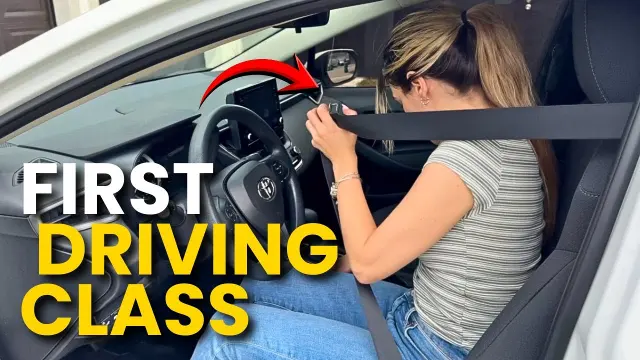
 Beginner Driving Lesson: Your First Practice Session Step by Step
#Beginner Driving
10 ideas
Beginner Driving Lesson: Your First Practice Session Step by Step
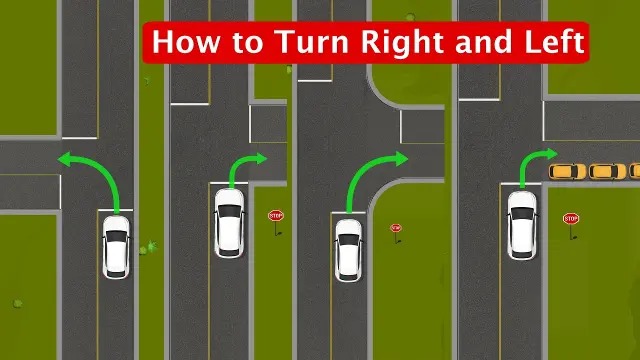 Turning Right and Left Safely at Different Intersections
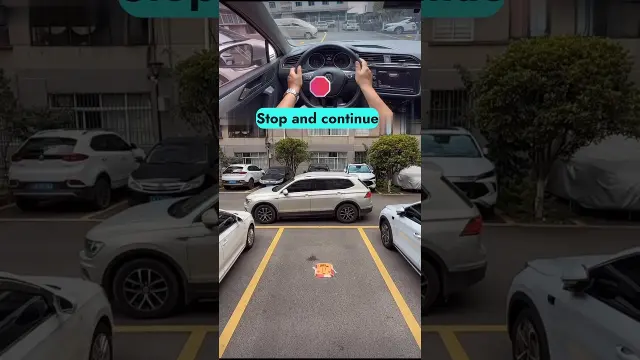 Beginner Driving Lesson Day Three: Steering, Clutch and Gears
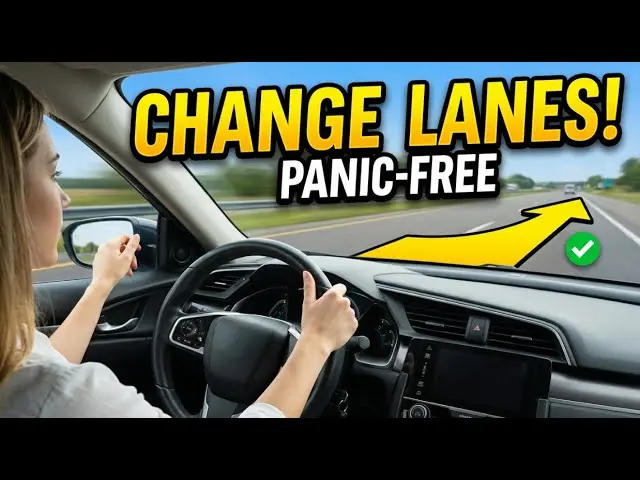 How to Change Lanes Safely: A Step-by-Step Guide for New Drivers
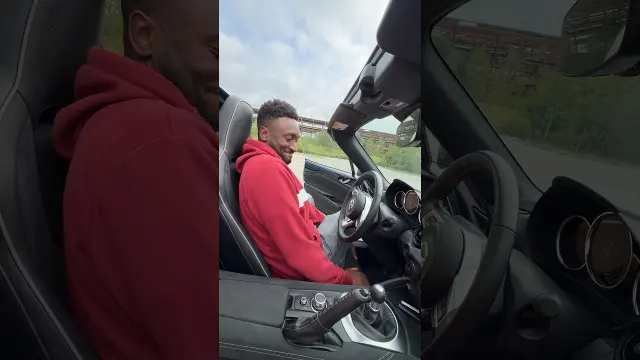 Learning to Drive a Manual Car for the First Time
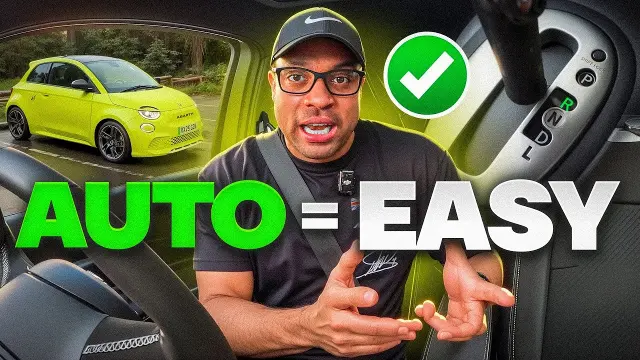 Beginner Guide to Driving an Automatic Car Step by Step
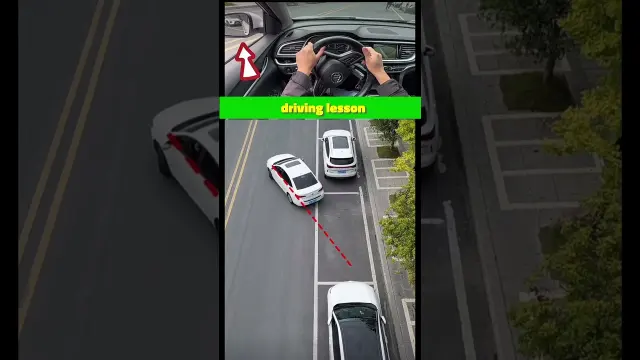 How to Drive a Car for Beginners, With Parking Basics
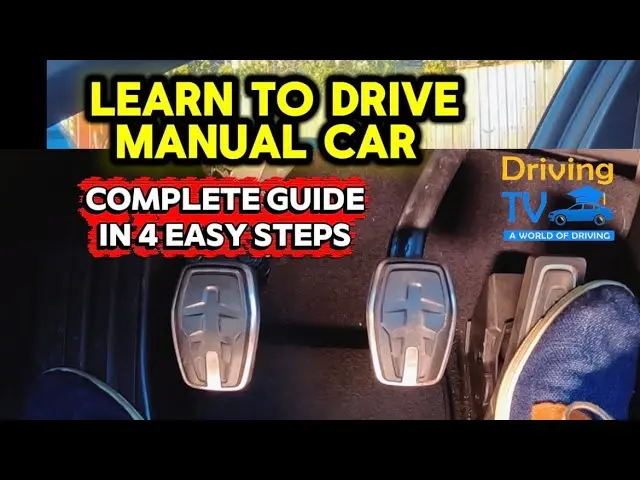 Learning to Drive a Manual Car: Four Steps Explained in 20 Minutes
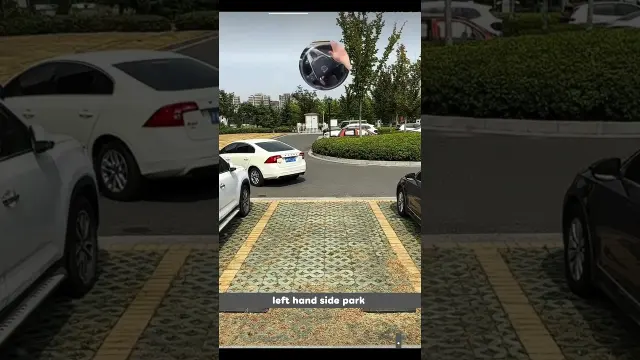 Beginner Driving Lesson: Parking Techniques and Test Tips
 Essential Tips And Strategies To Pass Your DMV Road Test
Get new #Beginner Driving ideas by email
Every Thursday: the week's best ideas, with the newest from #Beginner Driving.
Related tags
Beginner Driving: A Calm Guide to Your First Lessons
Learning to drive is less about mastering a machine than about building a set of habits that eventually become automatic. The car itself is simple once you know what each control does; what takes time is learning to read the road, judge distances and stay calm while doing several things at once. If you are just starting out, it helps to know what the process actually looks like and where your attention should go.
Getting to know the car
Before you move at all, spend time in the driver's seat with the engine off. Find the seat position that lets you press the pedals fully while keeping a slight bend in your knee, and adjust the mirrors so you can see the road behind with minimal head movement. Learn where the indicators, lights, wipers and handbrake are by touch rather than by looking down. This small investment pays off later, because every control you can find without searching is one less thing competing for your attention.
If you are learning in a manual car, the clutch is usually the hardest part. Practise pulling away and stopping smoothly in an empty space before adding speed or traffic. In an automatic, focus instead on gentle braking and on knowing exactly where the brake pedal sits, so your foot finds it instinctively.
Read more
Observation comes first
Most beginner mistakes are not failures of handling but failures of looking. Get into the habit of checking mirrors regularly, not only when you plan to turn, and of turning your head to check blind spots before changing position. Look far ahead rather than at the bonnet of the car; your hands tend to follow your eyes, and a driver watching the distance steers more smoothly than one watching the road directly in front.
Building a practice routine
Short, frequent sessions work better than long, exhausting ones. A useful structure is to repeat one skill until it feels boring, then add the next: moving off, stopping, turning at junctions, meeting other vehicles on narrow roads, parking. Quiet residential streets and empty car parks are good places to start. Whenever possible, practise in different conditions over time, including light rain and dull daylight, so the first time you meet them is not alone.
- Agree with your instructor or supervising driver what each session will focus on.
- Say your intentions out loud at first; it slows your thinking down and makes gaps in your observation obvious.
- Stop while you are still fresh rather than pushing until you are tired or frustrated.
Staying safe and patient
Nerves are normal and they fade with repetition, not with pressure. If something goes wrong, treat it as information rather than evidence that you cannot drive. Never practise when you are tired, upset or unwell, and always follow the rules of the road where you live, including any restrictions that apply to learners. Progress is rarely a straight line, and that is true for every driver on the road.
#Beginner Driving: frequently asked questions
What should I learn first when starting to drive as a beginner?
Start by getting comfortable with the car while it is parked. Learn the seat, mirrors, pedals, indicators, lights, wipers and handbrake before you try to move, so you are not searching for controls while watching the road.
How can a beginner practice driving without getting overwhelmed?
Keep practice sessions short and focus on one skill at a time until it feels natural. Quiet streets and empty parking areas are good places to begin, then you can gradually add turning, parking and busier traffic conditions.
Is it easier to learn in a manual or automatic car?
An automatic is often simpler at first because you can focus more on braking, steering and observation. A manual adds the extra challenge of the clutch and smooth gear changes, so it usually takes more repetition to feel comfortable.
What is the biggest mistake new drivers make?
Many beginner errors come from not looking far enough ahead or not checking mirrors and blind spots often enough. New drivers also tend to rush, which makes steering and decision-making less smooth, so calm observation matters more than speed.
How do I get better at parking and lane changes as a new driver?
Build up to them after you are comfortable with moving off, stopping and basic turns. Use your mirrors, look over your shoulder for blind spots, and practise the steps slowly in low-pressure places before trying them in traffic.
What habits help a beginner driver stay safe and improve faster?
Say your intentions out loud at first, because it helps you think clearly and notice what you are doing. It also helps to practise when you are rested and to stop before you become tired or frustrated, since patience makes learning smoother.
Videos come from YouTube and posts from Instagram; titles and summaries are our own. All rights belong to their creators.