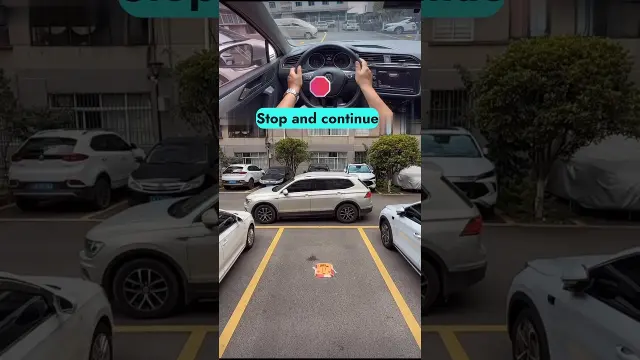
 Beginner Driving Lesson Day Three: Steering, Clutch and Gears
#Gear Shifting
1 ideas
Beginner Driving Lesson Day Three: Steering, Clutch and Gears
Get new #Gear Shifting ideas by email
Every Thursday: the week's best ideas, with the newest from #Gear Shifting.
Related tags
Gear Shifting: A Beginner's Guide
Every car engine has a narrow range of speeds where it works well: fast enough to produce useful power, slow enough not to strain itself. The wheels, meanwhile, have to turn slowly when you pull away and quickly when you cruise. Gear shifting is the bridge between the two, choosing a pair of gears so the engine's turning speed and the road speed stay in step.
Gears themselves are older than the car — toothed wheels that trade force for speed. Low gears multiply force, which is why first gear can move a heavy car from rest; high gears let the engine turn slowly while the wheels spin fast, which is quieter and gentler on fuel. A manual car hands this choice to you, through a gear lever and a clutch. The clutch is the coupling that briefly separates the engine from the wheels so you can change gear without grinding metal against metal. Most modern manuals also have synchronisers inside, which match the speeds of the gears you are joining so the change slides in easily.
What the pedal and lever actually do
The clutch pedal works backwards from the accelerator: pressing it disconnects, releasing it reconnects. The lever moves through a gate, usually an H shape, with each position a different ratio and a neutral channel between them. Reverse sits apart, often with a lock or a lift collar to prevent accidental selection.
Read more
The basic sequence
- Press the clutch fully, and release the accelerator.
- Move the lever to the gear you want, letting it find the gate rather than forcing it.
- Bring the clutch up smoothly, adding a little accelerator as it engages.
- Build speed, then repeat for the next gear.
From a standstill, first gear gets you moving; after that you usually work upward through the gears as speed rises and back down as it falls. The engine tells you when: a straining, labouring note means change down, a busy, high-pitched drone means change up.
Habits worth building early
Smoothness comes from timing rather than strength. Bring the clutch up progressively rather than snapping your foot off it, and match your accelerator to the moment of engagement. Change gear in a deliberate order, one at a time, and keep the lever in gear while you drive rather than resting in neutral or holding the clutch down at junctions. Keep your heel on the floor and your left foot clear of the clutch when you are not using it, so it does not ride against the pedal.
Brake with the brake pedal, and choose the gear that suits the speed you are now doing. Downshifting for engine braking can help on long descents, but on wet, icy or loose surfaces a sudden downshift can unsettle the car, so be gentler there.
Beyond the manual
Automatic gearboxes do this work themselves, and continuously variable and dual-clutch designs do it in their own ways, but the principle is unchanged: keep the engine in a range where it is comfortable. If you can drive a manual well, the reasoning transfers.
Learning it
Practise somewhere quiet and flat, one skill at a time — pulling away, then stopping, then changing up, then down. Look well ahead rather than at the lever, and give yourself room. Most of all, expect the first attempts to be jerky; smoothness arrives with repetition, not with trying harder.
#Gear Shifting: frequently asked questions
How do I start learning to shift gears in a manual car?
Begin somewhere quiet, flat and free of traffic, and break the skill into pieces rather than trying to do everything at once: pulling away, then stopping, then changing up, then changing down. Keep your eyes well ahead instead of watching the lever, let the lever find the gate on its own rather than forcing it, and expect the first attempts to feel jerky — smoothness comes from repetition, not from trying harder.
What do the clutch pedal and gear lever actually do?
The clutch pedal works in the opposite direction to the accelerator: pressing it separates the engine from the wheels so you can change gear without grinding, and releasing it joins them again. The lever moves through a gate, usually an H shape, where each position selects a different ratio and a neutral channel sits between them, with reverse set apart and often guarded by a lock or lift collar.
What is the right order of steps for changing gear?
Press the clutch fully while easing off the accelerator, move the lever to the gear you want, then bring the clutch up smoothly while adding a little accelerator as it engages. Build speed, then repeat for the next gear, working upward as speed rises and back down as it falls.
How do I know when to change up or down?
Listen to the engine rather than relying on the lever or the speedometer: a straining, labouring note means it is time to change down, while a busy, high-pitched drone means it is time to change up. On long descents, downshifting for engine braking can help, but be gentler on wet, icy or loose surfaces, because a sudden downshift there can unsettle the car.
What are the most common beginner mistakes when shifting?
Snapping your foot off the clutch instead of releasing it progressively, and adding accelerator at the wrong moment, are the usual causes of lurching changes. Resting your foot on the clutch pedal while driving, holding the clutch down at junctions, or coasting in neutral all wear the mechanism and reduce your control, so keep your left foot clear when you are not using it and stay in gear while moving.
Do I need to learn manual shifting if my car is automatic?
Not strictly, since automatics, continuously variable and dual-clutch gearboxes all manage the ratio themselves. The underlying principle is the same in every case — keeping the engine in the range where it works comfortably — so the reasoning you learn in a manual transfers to any car you drive later.
Videos come from YouTube and posts from Instagram; titles and summaries are our own. All rights belong to their creators.