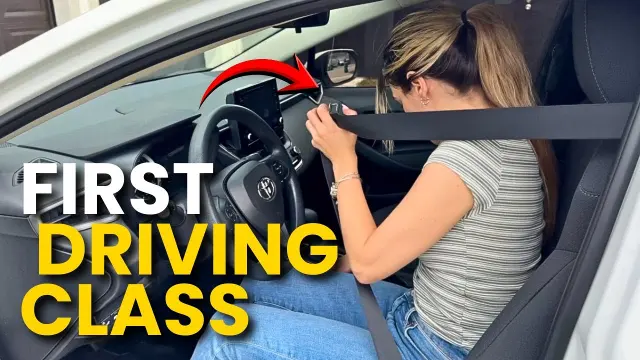
 Beginner Driving Lesson: Your First Practice Session Step by Step
#Car Control
2 ideas
Beginner Driving Lesson: Your First Practice Session Step by Step
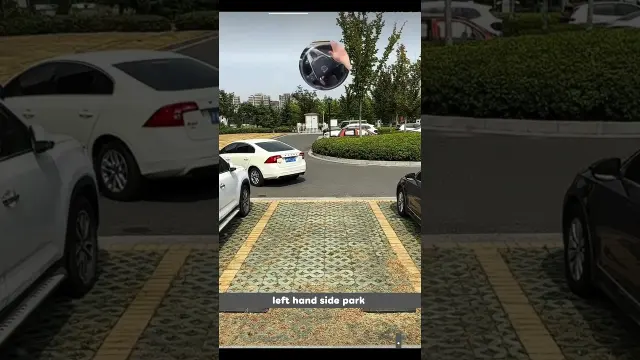 Beginner Driving Lesson: Parking Techniques and Test Tips
Get new #Car Control ideas by email
Every Thursday: the week's best ideas, with the newest from #Car Control.
Related tags
Car Control: The Basics Every New Driver Should Learn
Car control is the skill of making a vehicle do exactly what you intend, smoothly and predictably. It sounds simple, and in a way it is, but it is also the foundation everything else in driving rests on. A driver who can hold a steady lane, judge speed accurately and stop precisely has far more attention left over for traffic, signs and the unexpected. Control is not about driving fast or showing off; it is about being calm and deliberate with the machine underneath you.
Why it starts before you move
Most control problems begin with posture. Sit far enough back that you can press the clutch or brake pedal fully to the floor with a slight bend still in your knee. Your arms should be relaxed with a bend at the elbow when you hold the wheel. Set the headrest so the top sits roughly level with the top of your head, and adjust mirrors only after the seat is right, because moving the seat afterwards changes everything you just set up.
Hold the wheel at roughly nine and three o'clock, or ten and two if that is more comfortable. Keep your thumbs outside the rim rather than hooked inside, and turn by feeding the wheel through your hands rather than crossing your arms over the centre. This keeps your shoulders relaxed and gives you finer, more accurate steering.
Read more
The three inputs that work together
Steering, acceleration and braking are not separate skills. The way weight shifts between the front and rear of the car as you use them is what makes a turn feel either settled or nervous.
- Accelerate gently and progressively. Sudden throttle upsets the car, especially in rain or on loose surfaces.
- Brake early and firmly rather than late and hard, and release the pedal smoothly as you come to a stop to avoid a jolt.
- Slow down before a bend, not during it. Braking while turning shifts weight forward and reduces grip where you need it most.
- Keep both hands on the wheel while turning, and let the car straighten itself as you ease off.
Smoothness matters more than speed. A passenger holding a cup of coffee should barely notice your inputs. That is the real test.
Practice where it is quiet
Empty car parks, quiet residential streets on a Sunday morning and low-traffic industrial roads are ideal for building feel. Practise pulling away and stopping without lurching, holding a constant slow speed, reversing in a straight line, and three-point turns. Repeat the same manoeuvre until it stops feeling like a sequence of steps.
When conditions change
Rain, fog, gravel and cold weather all reduce the grip available to you. The response is always the same: slow down, increase the distance to the car ahead and make every input gentler than you would in the dry. Leave more room for braking, and avoid sudden steering movements that demand grip you may not have.
Learning car control is a slow, cumulative process. It rewards patience and repetition more than talent, and the habits you build in your first months tend to stay with you for decades.
#Car Control: frequently asked questions
How do I get started with learning car control?
Start with the setup rather than the driving: adjust your seat, headrest and mirrors so you can reach the pedals fully and hold the wheel with relaxed, slightly bent arms. Then practise somewhere quiet, like an empty car park or a low-traffic road, repeating simple things such as pulling away smoothly, holding a steady slow speed and stopping without a jolt. Control builds through repetition, so short regular sessions beat one long one.
What do I need before my first practice session?
You need a safe, legal place to practise and a calm state of mind more than any equipment. Wear flat shoes that let you feel the pedals, clear anything loose from the footwell, and set your seat and mirrors before you turn the key. It also helps to decide in advance which single manoeuvre you are going to work on, so the session has a focus.
Is smooth driving really more important than driving quickly?
Yes, because smoothness is what keeps the car settled and leaves you attention for traffic, signs and surprises. Sudden braking or steering shifts weight abruptly and reduces the grip available exactly when you need it, while gentle progressive inputs keep the tyres working predictably. A useful test is whether a passenger could hold a drink without spilling it.
Why do I lose control in the rain or on gravel, and what should I change?
Wet, icy, foggy or loose surfaces simply give the tyres less grip to work with, so the same inputs produce a bigger reaction. Slow down, leave a larger gap to the car ahead and make every steering and braking input gentler than you would in dry conditions. Braking earlier and more gradually matters most, since turning and stopping at the same time asks a lot of the tyres.
What mistakes do learners make most often with steering and braking?
The common ones are braking late and hard, braking in the middle of a bend instead of slowing before it, and turning the wheel with sudden jerky movements. Crossing your arms over the centre of the wheel or hooking your thumbs inside the rim also costs you fine control. Holding the wheel consistently and feeding it through your hands gives you far more accuracy.
How long does it take before car control feels natural?
It is a cumulative skill rather than something you pick up in a single lesson, and it rewards patience more than natural talent. Most people notice the difference once the basic manoeuvres stop feeling like a checklist of steps and start feeling like one continuous action. The habits formed early tend to stay with you, which is why it is worth practising slowly and correctly from the start.
Videos come from YouTube and posts from Instagram; titles and summaries are our own. All rights belong to their creators.