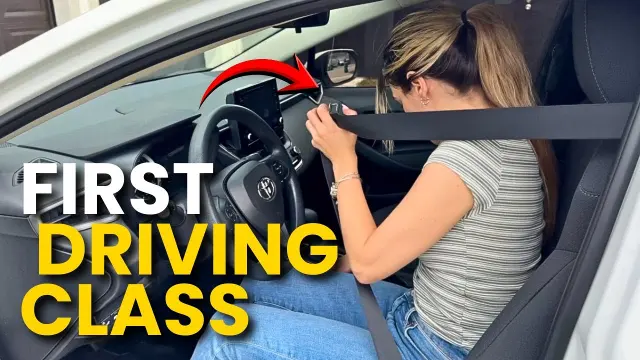
 Beginner Driving Lesson: Your First Practice Session Step by Step
#First Lesson
2 ideas
Beginner Driving Lesson: Your First Practice Session Step by Step
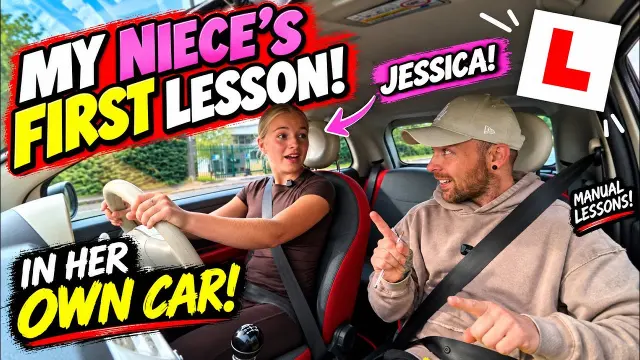 Teaching a First Manual Lesson in a Pupil's Own Car
Get new #First Lesson ideas by email
Every Thursday: the week's best ideas, with the newest from #First Lesson.
Related tags
Your First Driving Lesson: What to Expect
The first driving lesson is rarely about driving very far. It is the hour or two where you meet the car, the instructor and the rules of the road as they actually feel from the driver's seat. Most people arrive nervous and leave surprised at how much they already understand. Think of it less as a test and more as a guided introduction.
What a first lesson usually covers
A good instructor starts with the things you will use every single time you drive: the seat, the mirrors, the steering wheel, the pedals and the gear lever. You will probably be shown how to adjust your position so you can reach the pedals comfortably and see clearly, and why the mirrors are set the way they are. Many lessons begin on a quiet road, an empty car park or a training area, where you can practise moving off, stopping and steering without traffic pressing behind you.
You may also cover the cockpit drill — the small routine of checks a driver makes before setting off — and the meaning of the warning lights on the dashboard. Some instructors introduce clutch control and gentle braking on the very first session; others leave that for later. Both approaches are normal.
Read more
Manual or automatic
If you are learning in a manual car, the clutch is usually the hardest new idea. It rewards patience: the aim is not to be fast but to feel where the car begins to pull. Automatic cars remove that step and let you concentrate on steering, observation and speed, which some learners find a gentler start.
Before you set off
- Bring your licence or learner permit if your country requires one, and anything the instructor asks for in advance.
- Wear flat, comfortable shoes so you can feel the pedals.
- Read a little about the controls beforehand if you like, but do not worry about memorising them.
- Ask what the lesson will cover, so nothing takes you by surprise.
- Tell your instructor if you are anxious. It changes how they teach.
Being a beginner is the point
You will stall. You will turn the wheel the wrong way. You will misjudge a junction. None of this is failure; it is the ordinary texture of learning to drive, and instructors see it every day. What matters is listening, asking questions when something does not make sense, and going at a pace you can actually absorb. Progress in driving comes from repetition, not from talent, and the first lesson is simply where that repetition begins.
#First Lesson: frequently asked questions
What actually happens during a first driving lesson?
Expect an introduction rather than a long drive: your instructor will show you the seat, mirrors, steering wheel, pedals and gear lever, and explain how to set your position so you can reach the controls and see clearly. You will likely move to a quiet road, empty car park or training area to practise moving off, stopping and steering away from traffic. Many instructors also walk through the pre-drive checks and the dashboard warning lights.
How should I prepare before my first lesson?
Bring whatever paperwork your instructor asks for, such as your licence or learner permit if your country requires one, and wear flat, comfortable shoes so you can feel the pedals. It helps to ask beforehand what the session will cover so nothing catches you off guard. Reading a little about the controls is fine, but don't feel you have to memorise them.
Should I learn in a manual or an automatic car?
Automatic cars let you focus on steering, observation and speed without worrying about a clutch, which some learners find a gentler way to start. A manual gives you a more versatile licence in many places, but the clutch is usually the hardest new idea at first. Choose based on how confident you feel and what you plan to drive later, and remember you can switch as your skills grow.
Is it normal to stall or make mistakes on the first lesson?
Yes — stalling, turning the wheel the wrong way and misjudging a junction are completely ordinary parts of learning, and instructors see them constantly. Driving improves through repetition rather than natural talent, so a clumsy first session says nothing about how well you will do. What matters is listening, asking questions when something doesn't make sense, and working at a pace you can absorb.
How do I choose a good driving instructor?
Look for someone who explains things clearly, starts you somewhere calm, and is willing to adjust their teaching when you say you're nervous. A good instructor tells you what the lesson will cover in advance and answers your questions without making you feel rushed. If the chemistry isn't right, it's perfectly reasonable to try someone else — being comfortable matters more than loyalty to a first choice.
What are the most common mistakes beginners make?
Arriving in thick-soled shoes or without the documents the instructor requested, and staying silent about anxiety, are the easiest things to fix. Another common one is trying to go fast too soon instead of getting a feel for where the car begins to respond. Ask questions early, take the pre-drive checks seriously, and let the pace stay slow enough to actually learn.
Videos come from YouTube and posts from Instagram; titles and summaries are our own. All rights belong to their creators.