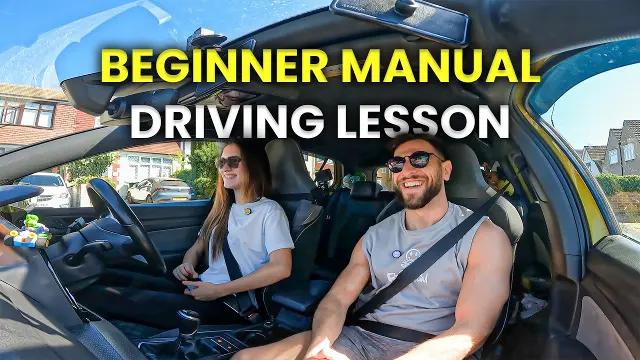
 A Beginner's First Manual Driving Lesson: Mirrors and Clutch
#Clutch Control
3 ideas
A Beginner's First Manual Driving Lesson: Mirrors and Clutch
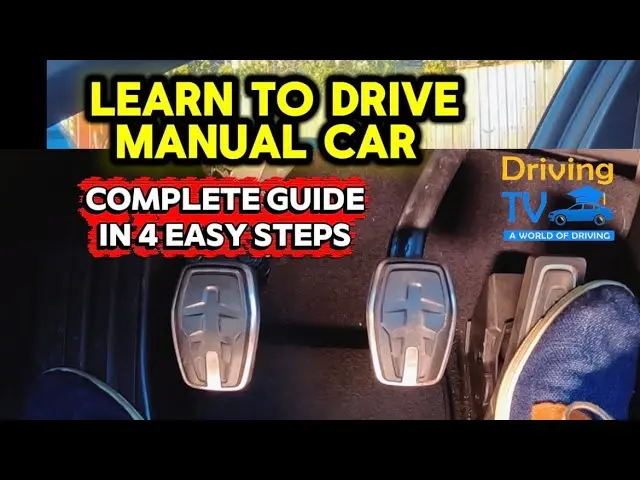 Learning to Drive a Manual Car: Four Steps Explained in 20 Minutes
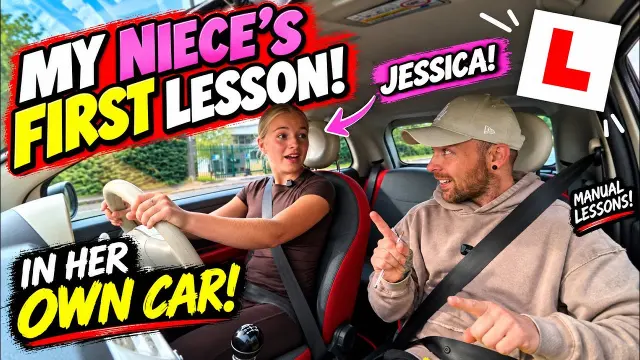 Teaching a First Manual Lesson in a Pupil's Own Car
Get new #Clutch Control ideas by email
Every Thursday: the week's best ideas, with the newest from #Clutch Control.
Related tags
Clutch Control: A Beginner's Guide to Smooth Driving
Every manual car has three pedals, and the one on the far left does the quietest but most delicate job of the three. The clutch sits between the engine and the gearbox and works by pressing two spinning surfaces together or easing them apart. Push the pedal down and the engine is disconnected from the wheels, free to spin while the car stays still. Let it up and the two surfaces meet again, gently or abruptly depending on how you use your foot. Clutch control is simply the skill of managing that meeting point so the car moves off smoothly instead of lurching or stalling.
The three positions that matter
Think of the pedal as having three zones rather than a smooth travel from top to bottom.
- Fully pressed: the engine and gearbox are separated. You can select a gear safely.
- The biting point: somewhere in the middle, the two surfaces begin to touch and the car starts to respond. This is the part worth learning by feel.
- Fully released: the connection is complete and the pedal is doing nothing. Your foot should be off it entirely.
Read more
Recognising the biting point
The biting point announces itself in small ways. The engine note drops a little, the car may shudder faintly, and the bonnet tends to lift slightly as the engine takes the strain. Some drivers watch the rev counter; most learn to feel it through the seat and the sole of the foot. Sit with the engine running, in first gear, handbrake on, and slowly raise the pedal until you sense that change. Then press it back down. Repeat until your foot knows where it is without you thinking about it.
Keep your heel on the floor and use the ball of your foot, so the movement stays gradual. Shoes with thin soles help while you are learning; thick boots blur the feedback you need.
Pauses, not one long movement
Smoothness comes from the pause. Bring the pedal up to the biting point, hold it there for a moment while the car settles into motion, then release the rest of the way. Rushing the last part is what produces the jerky, kangaroo-like start that new drivers dread. The same rhythm applies in reverse and during tight parking manoeuvres, where you may spend several seconds slipping the clutch deliberately to move at walking pace.
Habits worth forming early
Resting your foot on the clutch pedal while driving, often called riding the clutch, keeps the surfaces partly in contact and wears them unnecessarily. Once you are moving, take the foot away and use the floor rest.
When waiting at a junction or in traffic for more than a moment, put the car in neutral, release the pedal and use the handbrake. Holding a car on a slope with the clutch alone achieves nothing except heat and wear.
Hill starts combine everything: handbrake on, biting point found, a little accelerator, handbrake released as the car begins to pull. Practise on a gentle slope before trying a steep one.
Stalling is not a failure; it is part of learning, and every experienced driver has done it. A quiet car park, a patient passenger and twenty unhurried minutes will teach you more than any explanation.
#Clutch Control: frequently asked questions
How do I start learning clutch control in a manual car?
Begin in a safe, quiet place with the engine running and the handbrake on. Practise slowly lifting the pedal until you feel the car begin to respond, then pressing it down again so your foot learns the biting point.
What do I need to practise clutch control properly?
You need a manual car, a calm place to practise, and enough time to repeat the same movement without pressure. It also helps to sit with your heel anchored on the floor and wear shoes that let you feel the pedal clearly.
How do I know which point on the clutch to hold?
The key is the biting point, where the engine and wheels begin to connect and the car starts to pull forward. You can often notice a slight change in engine sound, a small shudder, or the car rising a little as it takes weight.
What is the best way to stop a manual car from jerking when moving off?
Bring the pedal up to the biting point, pause briefly, and only then let it come fully up. If you rush that final part, the car is more likely to lurch or stall.
What are common clutch control mistakes beginners make?
A frequent mistake is resting a foot on the pedal while driving, which keeps the clutch partly engaged and causes unnecessary wear. Another is holding the car on a slope with the clutch alone instead of using the handbrake and proper pedal control.
When should I use clutch control for parking or hill starts?
It is useful anytime you need very slow, precise movement, such as tight parking or starting on a hill. In those situations, use the biting point carefully and combine it with the handbrake and a little accelerator when needed.
Videos come from YouTube and posts from Instagram; titles and summaries are our own. All rights belong to their creators.