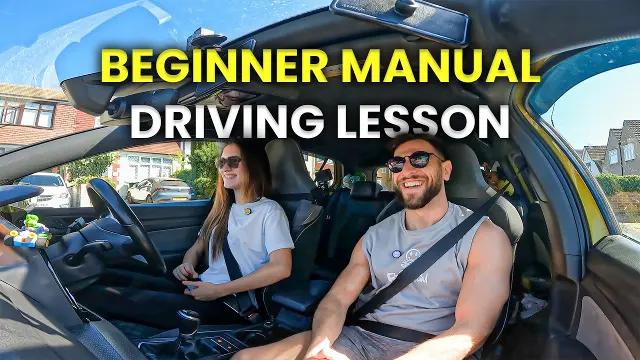
 A Beginner's First Manual Driving Lesson: Mirrors and Clutch
#Roundabouts
2 ideas
A Beginner's First Manual Driving Lesson: Mirrors and Clutch
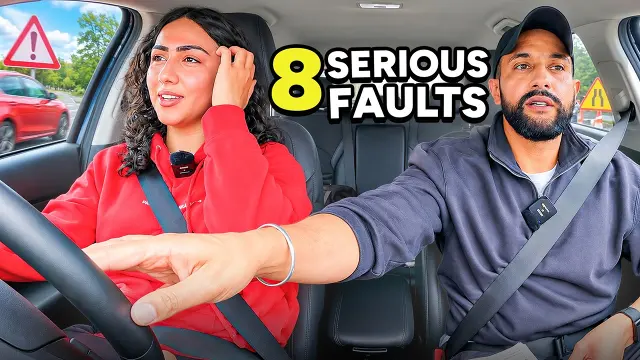 UK Driving Mock Test With 8 Serious Faults Three Days Out
Get new #Roundabouts ideas by email
Every Thursday: the week's best ideas, with the newest from #Roundabouts.
Related tags
A Gentle Guide to Roundabouts for New Drivers
A roundabout is a circular junction where traffic flows in one direction around a central island, and everyone who wants to turn off simply leaves at the exit they need. Instead of stopping at a crossroads and waiting for a gap, you merge into a moving stream of traffic and follow it round until your road appears. The idea is older than the car itself: circular junctions were used in cities long before motor traffic, and the modern version spread as a way of keeping vehicles moving without the stop-start of traffic lights. You will meet them everywhere from quiet villages to busy multi-lane junctions, and they are also common in mainland Europe, where the direction of circulation and the priority rules can differ from what you learned at home.
How priority works
The single most important thing to understand is who gives way. In most countries that use roundabouts heavily, traffic already on the circle has priority, and vehicles approaching must yield to it. That is why you slow down on the approach rather than at the line. A few places work the other way, and some roundabouts have traffic lights on the entrances, so check the local rules and the signs rather than assuming. Look for the give-way markings, and treat them as the instruction they are.
Approaching and entering
Read more
Plan early. Decide which exit you want before you arrive, and choose your lane accordingly where there is more than one. Use your mirrors, signal if your lane or direction needs it, and reduce speed so you have time to look properly. Look first to the side the traffic on the circle comes from: if you drive on the left, that is your right, and if you drive on the right, it is your left. Then glance the other way as you commit. Enter when there is a safe gap, not a hopeful one. If you have to wait, wait: a few seconds of patience costs nothing, and hesitation in the middle of the entry is far more dangerous than waiting at it.
Going round and leaving
Once on the circle, keep to your lane, maintain a steady gentle speed and watch the vehicles beside you. Signal before your exit so people behind and waiting at the next entrance know what you intend. Check the mirror on the side where traffic passes you before you turn off, in case a cyclist or motorcyclist is coming up on that side; in left-driving countries that means your left mirror, in right-driving countries your right. If you miss your exit, go round again. That is not a mistake, it is the design.
Things worth practising
Pedestrians usually cross the exit roads just beyond the circle, so watch for crossings as you leave. Cyclists and riders often keep to the outside of the circle, so give them room. Large vehicles may need to straddle lanes to get round, so do not squeeze alongside. And on multi-lane roundabouts, get your lane right early rather than changing at the last moment. A little practice on a quiet one will teach you more than any amount of reading.
#Roundabouts: frequently asked questions
What exactly is a roundabout and how does it work?
It is a circular junction where traffic travels in a single direction around a central island, and drivers leave at whichever exit they need. Rather than stopping at a crossroads and waiting for a gap, you join the flow already moving and continue around until your road comes up. The whole point of the design is to keep vehicles rolling instead of bringing them to a halt at signals.
Who has priority when I want to join a roundabout?
In most places where roundabouts are common, vehicles already circling have the right of way and anyone approaching must give way to them. That is why you slow down on the approach rather than only at the give-way line. Rules are not identical everywhere, though, and some junctions have signals on the entrances, so read the markings and signs instead of relying on habit.
How do I choose the right lane on a roundabout?
Work out which exit you want well before you get there and pick your lane to match, particularly where there is more than one. On larger circles, committing to the correct lane early is far safer than drifting across at the last moment. If you are unsure, going around once more is always an option.
What should I do if I miss my exit?
Simply stay in your lane and travel around the circle again until your road comes up. This is not a driving fault, it is how the junction is meant to be used. Cutting across lanes or stopping to reverse a mistake is what turns a small slip into a dangerous situation.
How should I handle cyclists and pedestrians around a roundabout?
Riders often stay towards the outside of the circle, so leave them room and check the mirror on the side where traffic passes you before turning off. Pedestrians generally cross the exit roads just past the circle, so watch for crossings as you leave. Remember that large vehicles may need to straddle lanes to get round, so never squeeze alongside them.
What mistakes do new drivers most often make at roundabouts?
The usual ones are arriving too fast to look properly, edging out on a hopeful gap rather than a safe one, and hesitating halfway into the entry. Others are signalling late, leaving it until the last moment to change lanes, and forgetting the mirror check for riders before exiting. Practising on a quiet roundabout teaches far more than reading about it.
Videos come from YouTube and posts from Instagram; titles and summaries are our own. All rights belong to their creators.