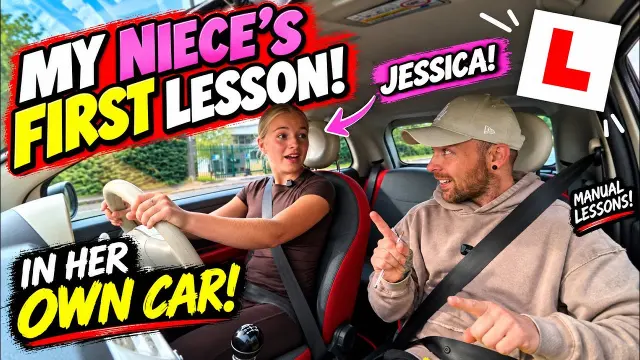
 Teaching a First Manual Lesson in a Pupil's Own Car
#Driving Instructor
1 ideas
Teaching a First Manual Lesson in a Pupil's Own Car
Get new #Driving Instructor ideas by email
Every Thursday: the week's best ideas, with the newest from #Driving Instructor.
Related tags
A Guide to Becoming a Driving Instructor
A driving instructor teaches people to control a car safely and to make sound decisions in traffic. The job sits somewhere between coaching and craft: part of it is explaining how a clutch bites or how far back to sit, and a larger part is building calm, judgement and confidence in someone who has never been alone behind a wheel. Instructors work with teenagers taking their first lessons, adults returning after years away from driving, and drivers preparing for a particular challenge such as motorway travel or driving abroad.
How instructors learn the trade
Most countries require an instructor to hold a full driving licence, to have held it for some years, and to pass a qualifying process before charging for lessons. That process usually has three parts: a theory or written examination on road rules and teaching methods, a practical test of the candidate's own driving, and an assessment of their ability to teach. Many instructors train with a licensed training provider or work alongside an experienced instructor before setting out alone. Beyond the formal steps, good instructors keep learning — reading about how people acquire physical skills, watching colleagues teach, and reviewing their own lessons honestly.
The main kinds of instruction
- Learner instruction: the traditional path, from first clutch control through to test standard.
- Refresher lessons: for drivers returning after a long break, or after a period of illness or living abroad.
- Pass Plus style or extended training: extra work on night driving, bad weather and high-speed roads after a test is passed.
- Assessment lessons: an experienced instructor reviews a driver's habits and points out what has drifted.
- Fleet and business training: teaching staff who drive for work, often with an emphasis on risk and fatigue.
What beginners should know
Whether you are learning to drive or learning to teach, the first lessons matter more than they look. Sit in a quiet place and get the basics right — seat position, mirrors, the feel of the pedals — before adding traffic. Ask questions freely; a good instructor would rather explain something twice than let a misunderstanding settle in.
Read more
When choosing an instructor, look for someone who explains the reasoning behind an instruction, not just the instruction. Lessons should feel structured: a clear aim, practice, and a short review at the end. Progress is rarely a straight line, and a few difficult lessons are normal.
Practical habits
Be punctual and well rested. Bring the documents your country requires. Keep a notebook of what you found hard, so the next lesson can start there. If something is not working — the pace, the car, the way something is explained — say so early. Instructors adjust constantly, and the lessons improve fastest when the pupil speaks up.
Patience, clear language and steady nerves carry an instructor further than any technique. The best ones leave a pupil not just able to pass a test, but able to drive alone for decades.
#Driving Instructor: frequently asked questions
What does a driving instructor actually do?
A driving instructor teaches someone to handle a car safely and to read traffic well, which is as much coaching as it is technical explanation. The work covers showing a pupil how the pedals feel or where to sit, but most of it is building calm judgement in a person who has never driven alone. Instructors teach first-time learners, returning drivers and people preparing for a specific challenge such as motorway driving.
What do I need before I can teach driving for money?
You generally need a full licence held for some time, plus a formal qualification before you can charge for lessons. That qualifying process usually combines a written exam on road rules and teaching methods, a practical test of your own driving, and an assessment of how well you teach. Many people train with a licensed provider or spend time alongside an experienced instructor before working independently.
How do I choose the right instructor or type of lesson?
Pick an instructor who explains why an instruction is given, not just what to do, and whose lessons have a clear shape: an aim, practice, then a short review. Beyond standard learner lessons there are refresher courses for people returning after a break, extended training on night and bad-weather driving, and assessment lessons that review habits that have drifted. Match the format to your situation rather than defaulting to the beginner path.
How should a beginner prepare for their first lessons?
Start somewhere quiet and get the basics settled, such as seat position, mirrors and the feel of the pedals, before adding real traffic. Ask questions whenever something is unclear, since instructors would rather repeat an explanation than let a misunderstanding take root. Arrive rested, bring whatever documents your country requires, and keep a short note of what felt difficult so the next lesson can begin there.
What mistakes do learners and new instructors make most often?
Learners tend to stay quiet when the pace, the car or the explanation is not working, which slows progress more than a bad lesson does. New instructors often over-explain technique and under-invest in the pupil's confidence, when patience and plain language matter more than any method. Both sides benefit from treating progress as uneven, since a run of clumsy lessons is a normal part of learning.
Can an instructor keep improving after qualifying?
Qualification is the entry point rather than the finish, and strong instructors keep studying how people pick up physical skills and watch colleagues teach. Reviewing your own lessons honestly, including the ones that went badly, is the fastest way to sharpen what you do. The aim is a pupil who can not only pass a test but drive safely on their own for years afterwards.
Videos come from YouTube and posts from Instagram; titles and summaries are our own. All rights belong to their creators.