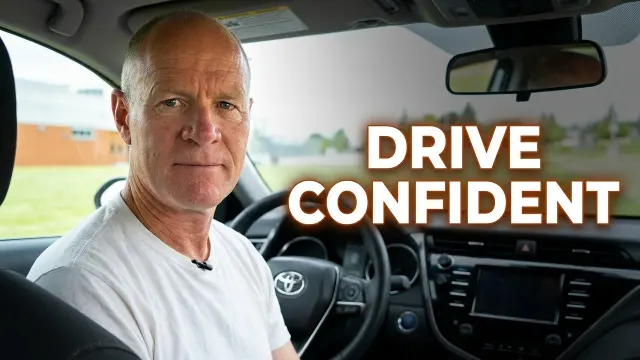
 First Time Driving: What to Do Before You Move the Car
#Safe Driving
1 ideas
First Time Driving: What to Do Before You Move the Car
Get new #Safe Driving ideas by email
Every Thursday: the week's best ideas, with the newest from #Safe Driving.
Related tags
Safe Driving: A Practical Guide to Staying Steady on the Road
Safe driving is less about perfect technique than about habits — the small repeated choices that keep a car predictable and calm in traffic. It rests on three things: seeing well, leaving room, and never asking more of the road than it can give. None of it requires special talent. It requires attention, which is a skill you can practise like any other.
Before you set off
Most risk is settled before the wheels turn. Adjust the seat so your knee stays slightly bent when the pedal is fully pressed, and the backrest so your wrists rest on the top of the wheel without stretching. Set the mirrors after the seat, not before. Clear the windscreen and mirrors completely, including the roof and lights in cold weather — a sheet of ice leaving the roof is a hazard to whoever follows you. Check tyre pressure when the tyres are cold, and look at the tread and the spare. Know where your documents, warning triangle and reflective jacket are.
Give yourself space
Read more
Following distance is the single most useful thing you control. A simple rule: pick a fixed point the car ahead passes, then count two seconds before you reach it in dry conditions. Double it in rain, at night, or when following a large vehicle that blocks your view ahead. Space buys you time to react, and time is the only real safety feature. Keep it also when someone merges in front of you. Letting off the accelerator for a second costs almost nothing.
The phone, and everything like it
Anything that takes your eyes off the road for a moment is a decision to drive blind for that moment. Set navigation and music before you move. Put the phone out of reach. If you need to take a call or send a message, pull over somewhere legal and safe.
Reading the road ahead
Look further than the car in front — a good habit is to scan the road roughly a dozen seconds ahead of your position. Watch for brake lights several vehicles up, for gaps between parked cars, for cyclists and pedestrians at junctions, and for side roads where someone may be about to emerge. Assume the other driver has not seen you until you are certain they have.
Driving at night and in bad weather
Slow down. Use dipped headlights in rain and fog rather than relying on daytime running lights, since those may not show anyone behind you. Wipe away condensation properly, keep the screen washer topped up, and allow extra braking distance on wet or icy surfaces. If the conditions get beyond your comfort, stopping is a legitimate choice.
Staying fit to drive
Never drive after drinking, after taking medicine that makes you drowsy, or when you are exhausted. Tiredness is deceptive: it arrives quietly and impairs you the way a small amount of alcohol does. On long journeys, plan breaks before you feel you need them, and share the driving if you can. Keep calm when others behave badly — letting an aggressive driver past is always the cheaper outcome.
None of this is complicated. It is just repetition, done until it becomes how you drive without thinking about it.
#Safe Driving: frequently asked questions
How do I build safe driving habits without feeling overwhelmed?
Start with the things that happen before the car moves — seat, mirrors, clear glass, tyres — and do them in the same order every time until they stop needing thought. Then add one habit at a time, such as leaving a gap ahead or putting your phone away, and let it settle before adding the next. Safe driving is repetition rather than talent, so consistency matters far more than doing everything perfectly on the first try.
What should I check before setting off?
Adjust the seat so your knee is still slightly bent with the pedal pressed and your wrists reach the top of the wheel without stretching, then set the mirrors to suit that position. Clear the glass fully, including the roof and lights in cold weather, and glance at tyre condition and pressure while the tyres are still cold. Finally, confirm where your documents, warning triangle and reflective jacket are, and set navigation and music before you move.
How do I judge a safe following distance?
Pick a fixed point the car ahead passes and count steadily until you reach it — that gap is your buffer, and it should grow in rain, at night, or behind a large vehicle that hides the road ahead. The point is not the exact count but the time it buys you to react, which is the only real safety feature you have. When someone merges into your gap, ease off rather than closing up again.
How do I handle my phone and other distractions while driving?
Set navigation and music before you pull away and put the phone somewhere you cannot reach it from the driver's seat. If you need to make a call or reply to a message, stop somewhere legal and safe rather than splitting your attention. Anything that pulls your eyes off the road, even briefly, means driving blind for that moment.
What are the most common mistakes people make when driving at night or in poor weather?
The usual ones are driving at normal speed, relying on daytime running lights instead of dipped headlights in rain or fog, and leaving condensation or a low washer bottle until visibility is already poor. Braking distance needs to be longer on wet or icy surfaces, so plan further ahead than you would in daylight. If conditions move past your comfort level, stopping is a perfectly reasonable decision.
What makes someone unfit to drive even if they feel fine?
Tiredness is the deceptive one — it builds quietly and affects you much like a small amount of alcohol, so waiting until you feel sleepy is already too late. Alcohol and drowsy medication are the same story: the safe choice is not to drive at all rather than to drive carefully. On long trips, plan breaks before you need them and share the driving when you can.
Videos come from YouTube and posts from Instagram; titles and summaries are our own. All rights belong to their creators.