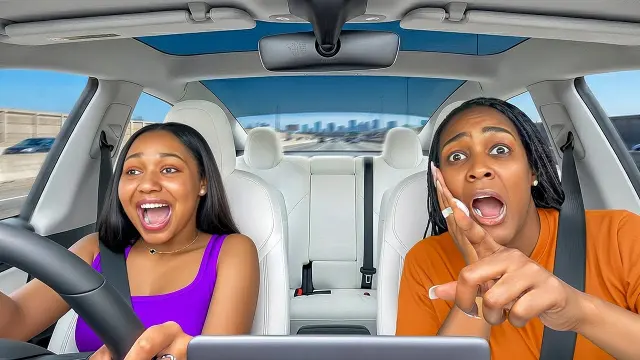
 Family Vlog: A Teen's First Time Driving on the Highway
#Teen Driver
2 ideas
Family Vlog: A Teen's First Time Driving on the Highway
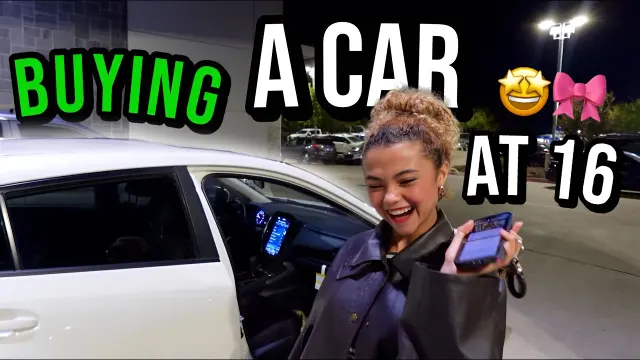 Teen Documents Her First Solo Drive in a Brand New Car
Get new #Teen Driver ideas by email
Every Thursday: the week's best ideas, with the newest from #Teen Driver.
Related tags
A Guide to Teen Drivers and Learning to Drive
Learning to drive is one of the clearest markers of growing independence, and for a teenager it arrives as a mix of excitement and nerves. For the adults around them, it brings a different set of feelings: pride, worry, and a long list of practical questions about how to teach something so consequential without passing on their own bad habits. Teen driving is best understood not as a single event but as a gradual process, one that moves from a first quiet car park to busy roads, and eventually to solo trips.
How the learning usually works
Most places use some form of graduated licensing. The details vary by country and region, but the shape is similar: a learner stage with a supervising adult, an intermediate stage with restrictions such as limits on night driving or on carrying young passengers, and finally a full licence. These stages exist because experience, not confidence, is what reduces risk. Beginners should know the rules that apply where they live, because the specifics of supervised hours, permitted passengers and curfews are set locally.
What beginners should focus on first
Read more
The early hours are not really about steering. They are about the quiet foundations: seat position and mirrors, smooth use of the pedals, understanding how much space a car actually occupies, and learning to look far ahead rather than at the bonnet. Once those feel natural, learners can add junctions, roundabouts, merging, and finally higher-speed roads and motorways.
A useful principle is to practise one skill at a time in a setting where it can be repeated. Empty car parks, quiet residential streets and low-traffic industrial areas on weekends give a learner room to be clumsy without consequence.
Practical tips for practice sessions
- Keep sessions short. Thirty focused minutes teach more than two tired hours.
- Talk before you set off about what the session is for, then keep commentary calm and specific.
- Avoid correcting during a manoeuvre unless safety demands it; discuss afterwards.
- Practise in varied conditions over time, including rain, dusk and unfamiliar routes, but only once the basics are secure.
- Model the behaviour you want. A supervising adult who speeds, uses a phone or skips indicators is teaching two lessons at once, and the second one sticks.
The habits that matter most
Beyond car control, a few habits protect new drivers for decades. Scanning well ahead and checking mirrors regularly, leaving a generous following distance, resisting pressure to match someone else's speed, and treating a phone as off and out of reach are all simple and all difficult to build later. Passengers deserve attention too: a car full of friends changes the social dynamic of driving, and many licensing systems restrict this for good reason.
A note for parents
It helps to remember that the goal is not a perfect test pass but a driver who keeps learning after the test. That means letting a teenager make small, low-stakes mistakes while you are still in the passenger seat, and gradually handing over judgement as well as control. Agree in advance on ground rules about night driving, passengers and borrowing the car, and revisit them as trust grows.
Patience, consistency and honest conversation do more for safety than any single piece of advice.
#Teen Driver: frequently asked questions
How does a teenager actually start learning to drive?
Start somewhere quiet and forgiving, such as an empty car park or a low-traffic street on a weekend morning, so the first lessons can be about seat position, mirrors and smooth pedal control rather than traffic. The goal of those early sessions is to get comfortable with how much space the car takes up and to practise looking far ahead instead of at the bonnet. Busy junctions and faster roads come later, once the basics feel automatic.
What should be sorted out before practice on public roads begins?
Check what the rules are where you live, since supervision requirements, permit stages and any restrictions on passengers or night driving are set locally and differ from place to place. Beyond that, a learner needs a supervising adult who is calm and consistent, and a car that is properly registered and in sound condition. Agreeing on ground rules in advance makes the first road sessions much less tense for everyone.
Which kind of car suits a learner best?
A modest, predictable car with light, responsive controls is easier to learn in than something large or overpowered, because the beginner has less vehicle to manage while building judgement. What matters most is that the pedals, mirrors and visibility feel comfortable for the person driving, not the badge on the bonnet. Fancy features are no substitute for a car that behaves the same way every time you press a pedal.
How can parents make practice sessions go better?
Keep them short and purposeful: a focused half hour teaches more than a long, tiring outing, and it helps to agree before setting off on what the session is meant to cover. Save corrections for after a manoeuvre unless safety demands otherwise, and keep your commentary specific rather than a running critique. It also helps to remember that your own driving is being watched closely, so indicating, keeping to the speed limit and putting the phone away teaches as much as anything you say.
What mistakes do new drivers most often make?
Looking too close to the front of the car instead of scanning well ahead, following the vehicle in front too closely, and drifting up to someone else's speed instead of holding their own are all common early on. Phones are another frequent problem, which is why treating the device as off and out of reach before setting off is worth building as a habit from the start. A car full of friends changes the mood of a drive too, so it is worth thinking about passengers early rather than later.
Any ideas for marking a first solo drive?
Keep the first solo trip simple and low-stakes: a familiar route at a quiet time of day, planned together beforehand, gives a new driver confidence without piling on pressure. Many families mark the moment in a low-key way, with a photo at the kerb, a shared meal afterwards, or a short entry in the family vlog so the milestone is remembered. What matters is that the day feels like a step towards independence rather than a test to pass.
Videos come from YouTube and posts from Instagram; titles and summaries are our own. All rights belong to their creators.