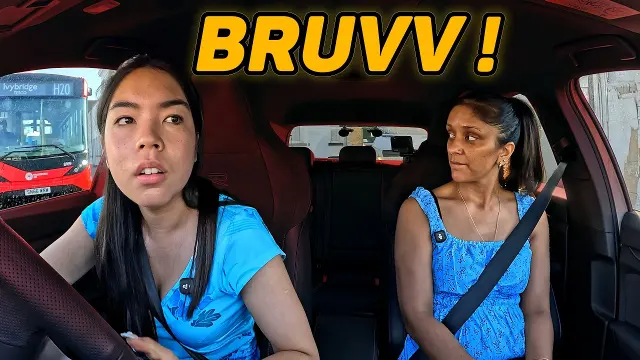
 Learner Tackles Her First Mock Driving Test a Week Before the Exam
#Driving Lessons
2 ideas
Learner Tackles Her First Mock Driving Test a Week Before the Exam
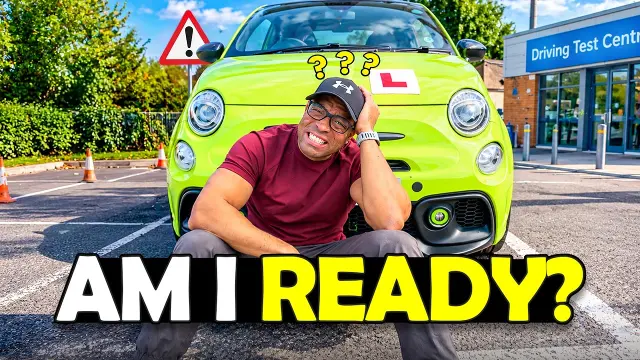 Eight Signs You Are Actually Ready for Your Driving Test
Get new #Driving Lessons ideas by email
Every Thursday: the week's best ideas, with the newest from #Driving Lessons.
Related tags
Driving Lessons: A Beginner's Guide to Learning to Drive
Learning to drive is a practical skill built on repetition, patience and gradually earned confidence. A driving lesson is simply structured time with someone qualified to teach you, in a car fitted with dual controls so the instructor can step in if something goes wrong. Lessons exist because driving is not one skill but several at once: controlling the car, reading the road, judging distance, and making decisions quickly while staying calm.
Why structured lessons matter
Family members and friends can be generous with practice time, but they often carry habits and shortcuts they cannot explain. A good instructor breaks driving down into parts you can practise deliberately, corrects small errors before they become reflexes, and knows what examiners and licensing bodies expect. Rules, paperwork and test formats vary from country to country, so check what applies where you live before you book anything.
Manual or automatic
Read more
The choice shapes your whole learning curve. A manual car has a clutch and gear lever, which means coordinating feet and hands while watching the road — harder at first, but it gives you a licence that usually covers both types of car. An automatic removes the clutch entirely, so you can concentrate on steering, observation and traffic from the very first lesson. Neither is braver or better; pick the one that matches the car you will actually drive.
What a typical lesson looks like
- A short briefing on what you will practise and why
- Time on quiet roads before busy ones, and gentle routes before fast ones
- Deliberate repetition of one or two skills rather than everything at once
- A review at the end, with honest notes on what improved and what needs work
Early lessons usually stay in car parks or empty side streets. Hill starts, junctions, roundabouts, parking and dual carriageways come later, once the basics feel automatic.
Getting more from your hours
Ask questions during the lesson rather than saving them for the drive home. If an instruction does not make sense, say so — a good instructor will find another way to explain it. Practise between lessons if you can, on the same skills, with a licensed driver beside you. Keep a small notebook of manoeuvres that trip you up and read it before your next session.
Nerves are normal
Almost everyone stalls, misjudges a corner or freezes at a junction. Those moments are part of the learning, not evidence that you are unsuited to driving. Tell your instructor when something frightens you; a good teacher will slow down and rebuild the skill in smaller steps. Progress rarely feels linear, and that is fine.
#Driving Lessons: frequently asked questions
How do I get started with driving lessons?
Begin by checking what your local licensing authority requires, since rules, paperwork and test formats differ from country to country. Then look for an instructor you feel able to ask questions of, and expect the earliest sessions to happen on quiet roads or in empty car parks while the basics settle.
What do I need before my first lesson?
You will usually need whatever learner permit or provisional licence your area issues, and your glasses if you need them to drive. It is worth asking the instructor in advance what to bring and where to meet, so the first session starts without confusion.
Should I learn in a manual or an automatic car?
Neither choice is braver or better — pick the one that matches the car you will actually be driving. A manual asks you to coordinate clutch and gears while watching the road, which is harder at first but usually earns a licence covering both types, while an automatic frees you to concentrate on steering and traffic from the very first lesson.
How can I get more out of my lesson hours?
Raise questions during the lesson instead of saving them for the drive home, and say so plainly when an instruction does not make sense — a good instructor will find another way to explain it. Practising the same skills between lessons with a licensed driver beside you, and keeping a short notebook of manoeuvres that trip you up, both help.
How do I know when I am ready for my driving test?
You are generally getting close when the basics feel automatic and you can handle busier roads, junctions and parking without being prompted. A mock test with your instructor is a sensible way to check your readiness before you book the real thing.
Is it normal to stall or feel nervous during lessons?
Yes — almost everyone stalls, misjudges a corner or freezes at a junction at some point, and those moments are part of learning rather than a sign you are unsuited to driving. Tell your instructor when something frightens you, so the skill can be rebuilt in smaller, calmer steps.
Videos come from YouTube and posts from Instagram; titles and summaries are our own. All rights belong to their creators.