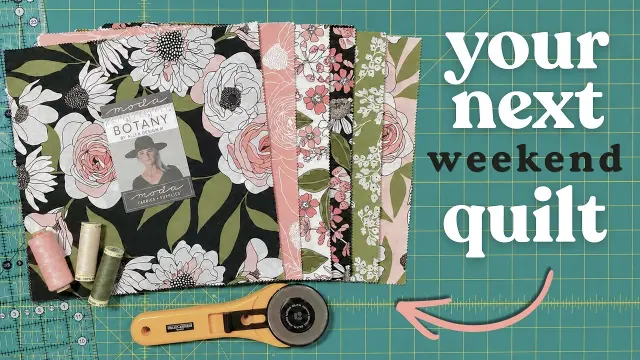
 Framed Blooms Easy Layer Cake Quilt Project
#Easy Quilting
1 ideas
Framed Blooms Easy Layer Cake Quilt Project
Get new #Easy Quilting ideas by email
Every Thursday: the week's best ideas, with the newest from #Easy Quilting.
Related tags
Easy Quilting for Beginners
What easy quilting means
Easy quilting is a gentle way to begin making quilts without needing advanced cutting, complex templates, or difficult sewing skills. At its heart, quilting is the joining of layers: a quilt top, a middle layer of batting, and a backing fabric. “Easy” quilting usually means using simple shapes, straightforward seams, and repeatable blocks that help you build confidence while still making something beautiful and useful.
Quilting has long been part of sewing traditions in many cultures, valued both for warmth and for the pleasure of making something by hand. Today, easy quilting remains popular because it is welcoming to beginners and satisfying for experienced makers who want a relaxed project.
Common beginner-friendly quilt styles
Read more
If you are starting out, look for patterns built from simple forms such as squares, rectangles, strips, or half-square triangles. These shapes are easy to cut and sew accurately, and they create many classic quilt looks.
Some of the most approachable styles include:
- Patchwork quilts made from repeated fabric pieces
- Strip quilts, which use long bands of fabric sewn together
- Nine-patch or other block-based quilts with simple repeating units
- Charm-square quilts, which use pre-cut squares for convenience
- Wholecloth or minimal-piecing quilts, where the focus is on quilting stitches or fabric texture
A simple design can still feel rich and thoughtful when you pay attention to color placement and fabric balance.
Materials and tools that help
You do not need a large collection of supplies to begin. A few reliable tools make the process easier:
- Fabric scissors or a rotary cutter
- A cutting mat and ruler
- Pins or clips
- Thread that suits your fabric
- An iron for pressing seams
- Basic sewing machine or hand-sewing tools, depending on your method
Choose cotton fabrics if you want a stable, beginner-friendly material. Pre-washed or unwashed fabric can both work, but it helps to use the same approach consistently within one project.
Simple techniques to learn first
A few basics will take you far:
- Accurate cutting so pieces match well
- Straight sewing with a steady seam allowance
- Pressing seams as you go for flatter results
- Basting the quilt layers before quilting
- Quilting in simple lines, grids, or gentle curves
If you are new to quilting, practice on small projects first. A cushion cover, table runner, or baby-sized quilt can teach you the whole process without feeling overwhelming.
Practical tips for success
Keep your first project manageable. Small, repetitive designs are easier to finish and often look neater than ambitious patterns with many different pieces. Use fabric with a clear contrast if you want your shapes to stand out, or softer tones if you prefer a calm, blended look.
Take your time with pressing and trimming. These steps may seem ordinary, but they make a big difference in how the finished quilt fits together. If your seams are not perfect, do not worry; quilting often looks charming because it is handmade.
Most of all, choose a project you enjoy. Easy quilting is not about lowering the value of the craft. It is about making the process approachable, allowing you to learn steadily and enjoy every stage from the first cut to the final stitch.
#Easy Quilting: frequently asked questions
How do I start easy quilting if I have never made a quilt before?
Start small: choose a simple pattern built from squares, rectangles, or strips, and work through the whole process on a cushion cover, table runner, or baby-sized quilt before attempting anything larger. Learn the sequence in order — cut accurately, sew straight seams, press as you go, baste the layers, then quilt simple lines or a grid. Finishing something small teaches you every stage without the project becoming overwhelming.
What supplies do I really need to begin easy quilting?
You only need a few reliable basics: fabric scissors or a rotary cutter, a cutting mat and ruler, pins or clips, thread that suits your fabric, and an iron for pressing seams. Add either a basic sewing machine or hand-sewing tools, depending on the method you prefer. Cotton fabric is the most stable and beginner-friendly choice, and it helps to keep the same pre-washing approach throughout a single project.
Which quilt style is easiest to choose for a first project?
Look for designs made from simple repeating shapes — patchwork from repeated pieces, strip quilts sewn from long bands, block-based patterns with one easy unit repeated, or pre-cut square quilts that save you cutting time. Wholecloth and minimal-piecing quilts are also very approachable, since the interest comes from the quilting stitches and fabric texture rather than complicated piecing. A simple design still looks rich when you pay attention to color placement and contrast.
How should I care for a finished quilt so it lasts?
Wash gently, by hand or on a delicate cycle with a mild detergent, and avoid harsh bleaches or very hot water that can fade and shrink fabric. Dry it flat or on low heat rather than hanging it wet, which can stretch the layers out of shape, and store it folded away from direct sunlight. Quilts are made to be used, so a soft, slightly crinkled look after washing is normal and part of their charm.
What are good easy quilting projects for gifts or a particular occasion?
Small projects suit almost any occasion: a cushion cover or table runner for a housewarming, a baby-sized quilt for a new arrival, or a throw in colors chosen for the recipient. Practicing on these smaller pieces first means a larger quilt later feels far less intimidating. Fabric choice and color palette do most of the work of making a simple design feel personal.
What mistakes do beginners most often make in easy quilting?
The most common ones are cutting inaccurately, skipping the pressing and trimming steps, and choosing a pattern with far too many different pieces for a first attempt. Rushing the basting stage also causes layers to shift and pucker while quilting. None of these ruin a quilt — handmade imperfections are part of the appeal — but slowing down on cutting and pressing makes everything fit together far more neatly.
Videos come from YouTube and posts from Instagram; titles and summaries are our own. All rights belong to their creators.