 What Is Ecology? Definition, Types and Examples
#Ecosystem
4 ideas
What Is Ecology? Definition, Types and Examples
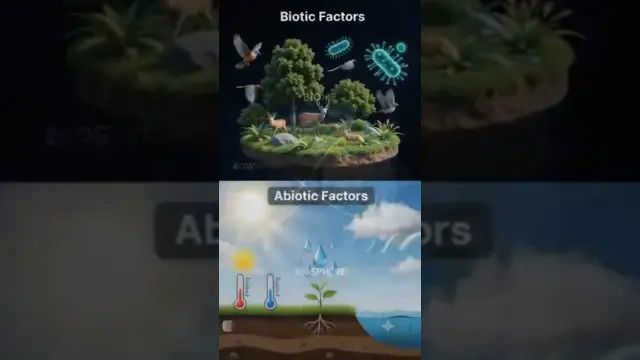 Ecology and Ecosystems Explained Food Webs and Energy Flow
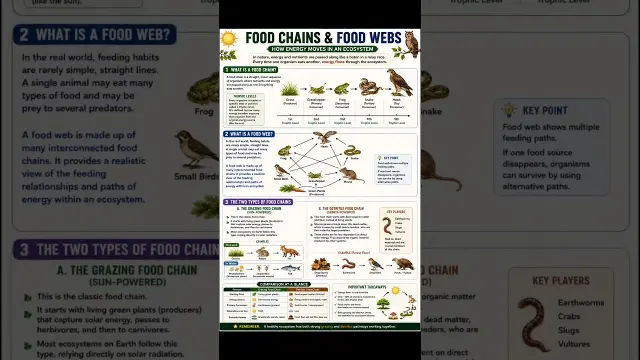 Food Chains and Food Webs How Energy Moves in an Ecosystem
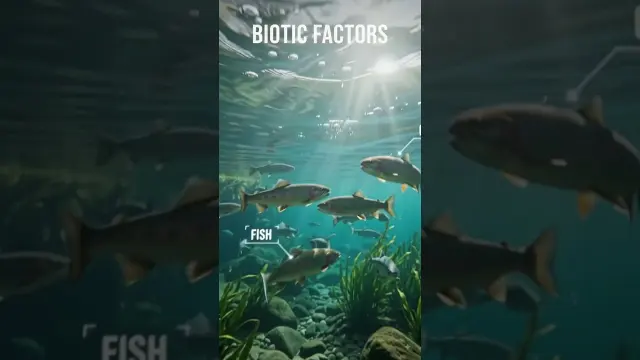 What Is Ecology? Understanding Life and the Environment
Get new #Ecosystem ideas by email
Every Thursday: the week's best ideas, with the newest from #Ecosystem.
Related tags
Ecosystem Guide: Living Things and Their Surroundings
An ecosystem is the whole system formed by living things and the non-living surroundings they share. It is not just a list of plants and animals, but the relationships between them: what eats what, what shelters what, what feeds the soil, and what returns to it again. The word joins the Greek word for "house" or "household" with "system" — the household of life and the workings that keep it going. Ecologists use the term at many scales, from a drop of pond water to a whole forest, and even to the planet as one connected system.
The parts of an ecosystem
Two kinds of components make up every ecosystem. The living ones, called biotic factors, include all organisms: plants and algae, animals, fungi, bacteria and other microbes. The non-living ones, called abiotic factors, include sunlight, water, air, temperature, soil and minerals. Neither half works alone. Sunlight and water set the limits of what can grow, and living things in turn change the soil, the air and the water around them.
Within the living side, ecologists often sort organisms by their role. Producers, mostly green plants and algae, capture energy from sunlight and build their own food. Consumers eat other organisms, whether plant, animal or both. Decomposers break down dead matter and waste, recycling nutrients back into the system. These roles matter more than species names: a fungus and a beetle in very different places can do the same job.
Read more
Energy and nutrients
Energy moves through an ecosystem in one direction, in a chain that begins with sunlight and passes from producers to herbivores and then to predators. Most of the energy at each step is used up as heat and movement, so the amount passed on is always much smaller than what was there before. This is why food chains are short and why large predators are rare. Nutrients, by contrast, go round in circles. Carbon, nitrogen and other elements move from soil and water into living bodies and back again through decay.
Types of ecosystem
Ecosystems are commonly grouped by their setting. Terrestrial ones include forests, grasslands, deserts and tundra, shaped largely by rainfall and temperature. Aquatic ones include freshwater lakes, rivers and wetlands, and saltwater coasts and open seas. Some, like estuaries and mangroves, sit between land and water. Each has its own rules, and animals and plants are adapted to the conditions there.
Balance and change
Ecosystems are never static. Populations rise and fall, fires and floods pass through, seasons shift. A resilient ecosystem has enough variety and enough flexibility to absorb disturbance and continue functioning. Biodiversity helps here: many species doing slightly different things makes a system less fragile.
For beginners
Start close to home. A garden, a park, a pond or a windowsill planter is a real ecosystem and easier to observe than a rainforest. Notice what grows where, watch what visits flowers, look under stones and logs, and follow one food chain in your mind. Keep a simple record over weeks. Avoid disturbing nests, and never move an animal or plant somewhere new because it seems a better place for it.
#Ecosystem: frequently asked questions
How can I start learning about an ecosystem as a beginner?
Begin with a place you can observe easily, like a garden, park, pond, or even a windowsill planter. Watch which living things are there, what they seem to eat or shelter in, and how sunlight, water, and soil affect what grows.
What do I need to look at when studying an ecosystem?
Focus on both the living parts and the non-living surroundings. Plants, animals, fungi, and microbes all interact with light, water, air, temperature, soil, and minerals, so the whole system matters more than any one species alone.
How do I choose the right type of ecosystem to observe?
Choose one that matches the place you live or the setting you want to understand, such as a woodland, grassland, river, wetland, coast, or pond. Smaller, nearby ecosystems are often easier to follow because you can notice changes in weather, season, and wildlife more clearly.
How do food chains and food webs work in an ecosystem?
Energy starts with sunlight, moves into plants and algae, then passes to animals that eat them and to predators that eat those animals. Food webs are simply the many connected feeding relationships in one place, and they show how species depend on one another.
What are common mistakes people make when observing an ecosystem?
A common mistake is looking only at the plants or animals and ignoring the surroundings that shape them. Another is disturbing the area too much, such as moving organisms around or damaging nests, logs, or soil habitats.
How can I care for a small ecosystem at home or outdoors?
The best care is usually gentle and consistent: avoid unnecessary disturbance, keep the area clean, and let natural processes like decay and regrowth do their work. If you are tending a garden or planter, try to support a variety of life instead of forcing everything to look the same.
Videos come from YouTube and posts from Instagram; titles and summaries are our own. All rights belong to their creators.