 What Is Ecology? Definition, Types and Examples
#Environment
3 ideas
What Is Ecology? Definition, Types and Examples
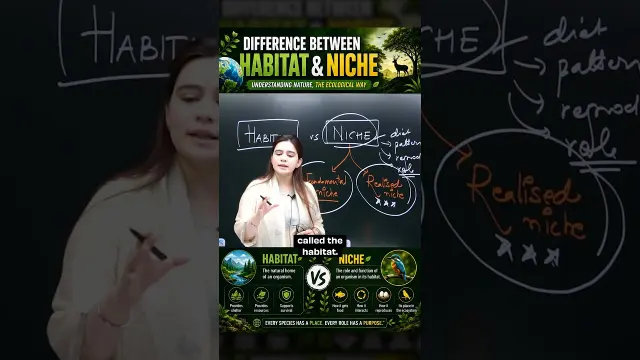 Habitat vs Niche Difference Explained in 5 Minutes
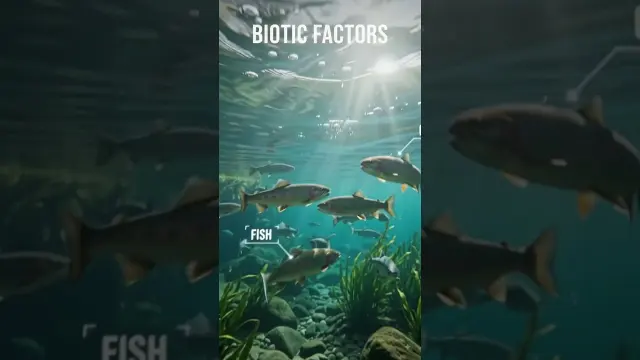 What Is Ecology? Understanding Life and the Environment
Get new #Environment ideas by email
Every Thursday: the week's best ideas, with the newest from #Environment.
Related tags
Environment: A Beginner's Guide to the World Around Us
The environment is everything around you that you did not build yourself: the air you breathe, the water you drink, the soil under your feet, the forests, rivers, coasts and cities you move through, and the living things that share all of it with you. The word comes from the French *environner*, "to surround," and that is the simplest way to hold it in your mind — not a backdrop to human life, but the whole surrounding system that life depends on.
Living and non-living parts
Ecologists usually split the environment into two halves that constantly trade with each other. The non-living side includes climate, sunlight, water, minerals, soil and terrain. The living side includes every organism, from soil bacteria to oak trees to people. Neither works alone: a forest shapes its own rainfall, a river carries the minerals that feed a floodplain, and a city changes the temperature of the air above it. When people talk about environmental problems, they are almost always describing a break in one of these exchanges.
The scales it works at
Read more
You can think about the environment at several levels at once. The personal level is your home, your street, your local park. The regional level is a watershed, a coastline, a mountain range. The global level is the atmosphere and the oceans, which move heat, water and pollutants across borders regardless of who put them there. A useful habit for beginners is to ask which level a problem actually belongs to, because solutions rarely fit a different one.
Main ways of thinking about it
Conservation focuses on protecting species and habitats from loss. Sustainability asks how to meet present needs without exhausting what future generations rely on. Restoration is the practical work of repairing damaged land, water and vegetation. Environmental science studies how the systems behave; environmental policy decides what to do about it. You will meet all of these, often mixed together, and none of them is the "correct" one.
What beginners should know
Start with the local. Learn the name of the river, the soil type, the birds that visit in winter. Observation builds understanding faster than reading abstractly. Then follow connections rather than isolated facts: where your water comes from, where waste goes, what a product was made of and what happens to it afterwards. Be sceptical of simple blame. Most environmental questions involve trade-offs, and honest answers usually admit them.
Practical habits that hold up
- Use less, and repair before replacing.
- Keep water and soil clean by being careful with what you pour and throw away.
- Plant native species where you can; they support local insects and birds.
- Walk, cycle or share transport when the option exists.
- Support green space in your neighbourhood, and use it.
- Learn one thing about your area each season, and pass it on to someone younger.
None of this requires perfection. The environment is not a fragile object kept somewhere else — it is the place you live, and it responds to steady, ordinary care.
#Environment: frequently asked questions
How can I begin learning about my local environment as a beginner?
Start close to home by noticing what is around you: the trees, birds, water, soil, and weather in your area. Learning the names of local places and species helps you understand how the system works before you try to understand bigger environmental issues.
What should I look at first when trying to understand an environmental problem?
First ask whether the issue is local, regional, or global, because the right solution depends on the scale of the problem. Then look at the connections involved, such as where water comes from, where waste goes, and how people and wildlife are affected.
Which approach is best: conservation, sustainability, or restoration?
It depends on what needs attention. Conservation protects living places from being lost, sustainability focuses on using resources without exhausting them, and restoration repairs damage that has already happened.
What are some simple ways to care for the environment in everyday life?
Use less when you can, repair things before replacing them, and be careful about what you pour down drains or throw away. Choosing native plants, supporting green spaces, and walking, cycling, or sharing transport when possible can also make a real difference.
What mistakes do people often make when talking about the environment?
One common mistake is treating the environment as a separate backdrop instead of the system that supports life. Another is looking for a single cause or a quick fix, when many environmental issues involve trade-offs and need several kinds of action at once.
Videos come from YouTube and posts from Instagram; titles and summaries are our own. All rights belong to their creators.