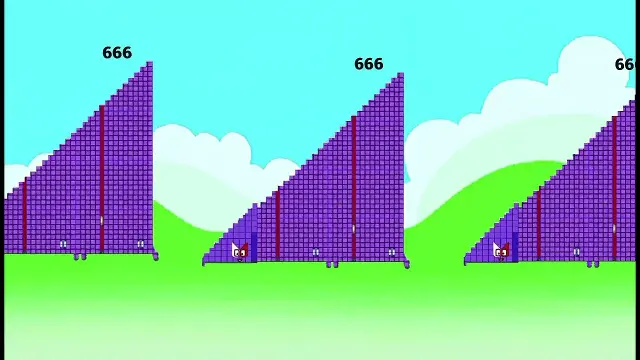
 Triple Addition of Random Step Squad Numbers
#Educational Corner
13 ideas
Triple Addition of Random Step Squad Numbers
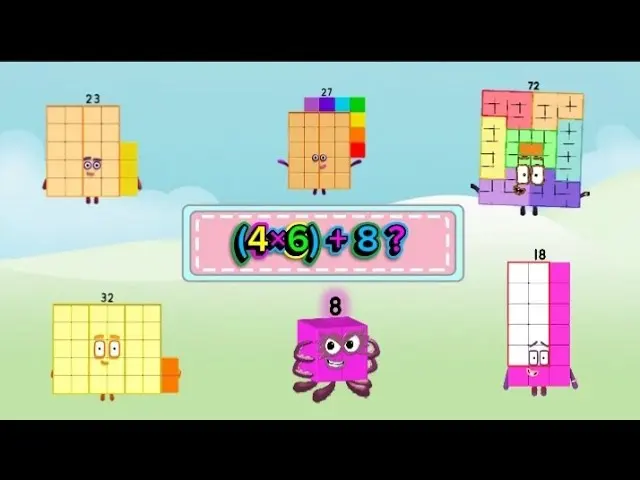 Numberblocks Math Quiz on Multiplication and BODMAS
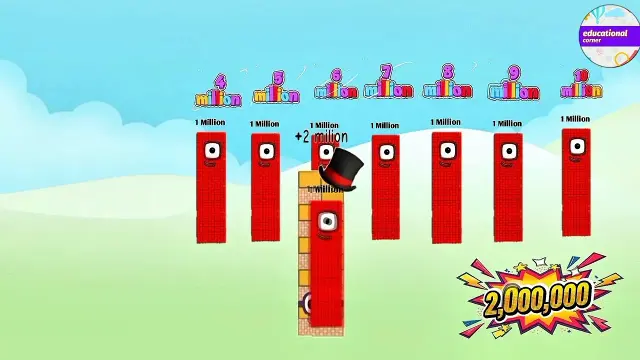 Counting Big Numbers from 1 Thousand to 10 Billion
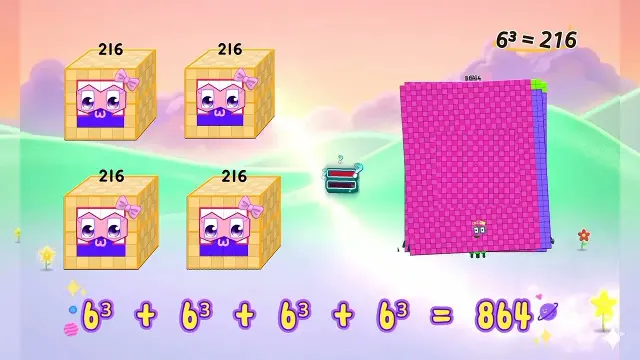 Addition of Four Identical Cube Numbers
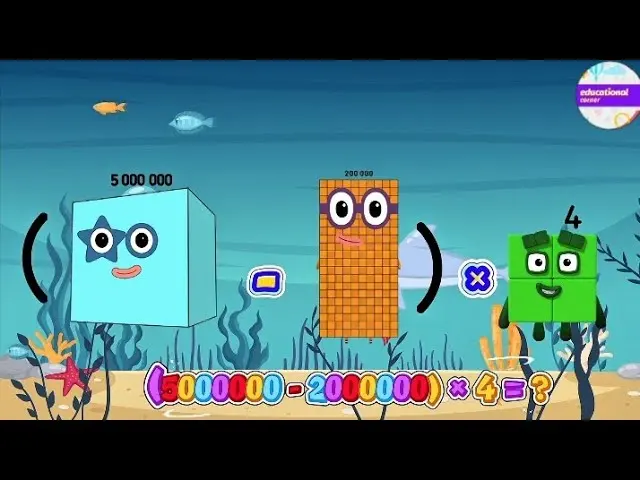 Learn the BODMAS Rule with Number Blocks
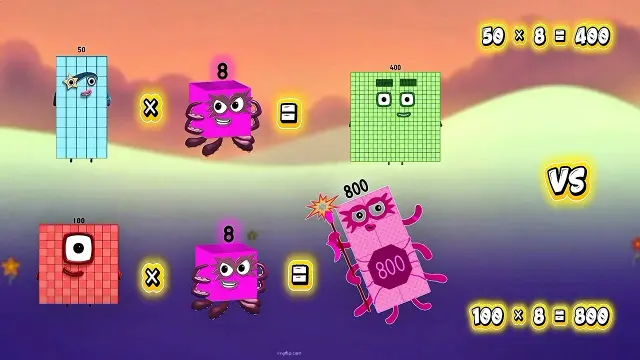 Multiplication Comparison of 50 and 100 Times Tables
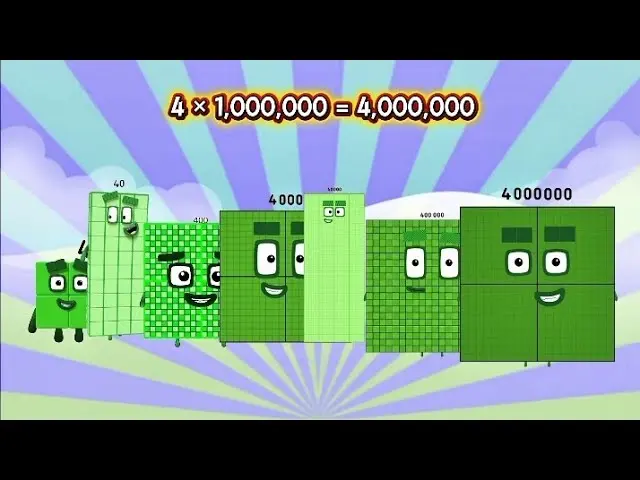 Multiplying Small to Giant Whole Numbers
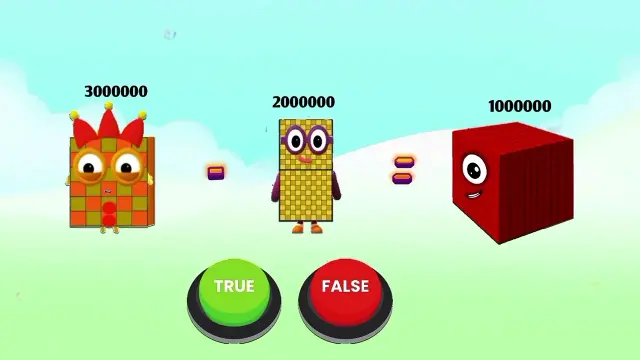 Big Numbers True or False Math Quiz for Kids
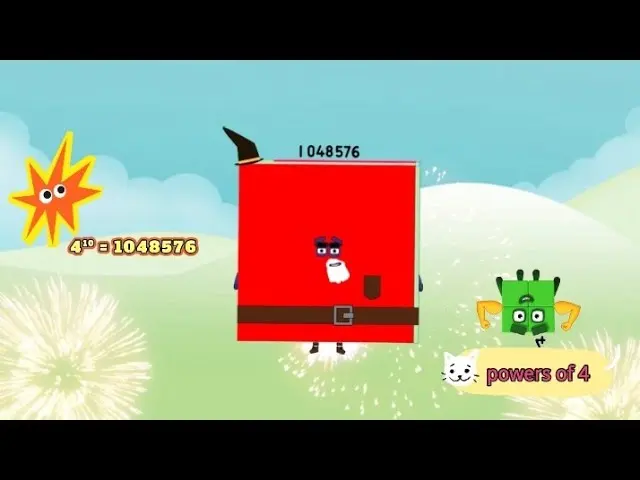 Maths Multiplication Powers of 4 with Numberblocks
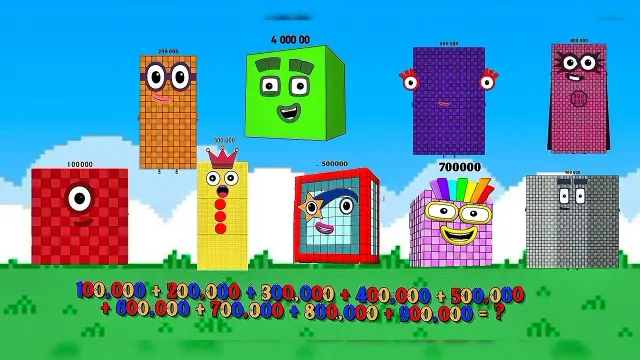 Big Number Addition from 10 to 9 Million
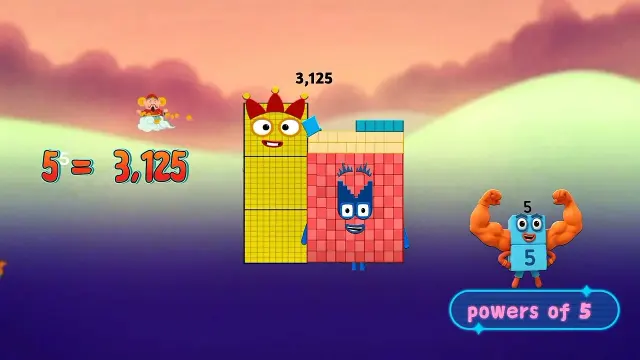 Maths Multiplication Powers of 5 with Numberblocks
 Counting Cube Numbers Up to 125,000 with Numberblocks
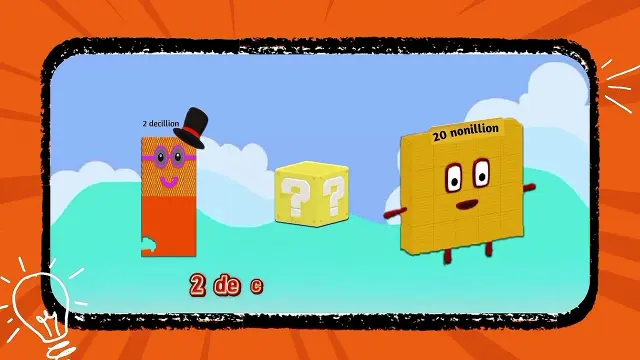 Big Numbers Comparison from Million to Quadrillion
Get new #Educational Corner ideas by email
Every Thursday: the week's best ideas, with the newest from #Educational Corner.
Related tags
Educational Corner Ideas for Learning Spaces
An educational corner is a small, defined space set aside for learning, practice, and discovery. You can find one in a classroom, a playroom, a bedroom, or a family living area. Its purpose is simple: to make learning visible, easy to return to, and part of daily life. A good corner invites curiosity without feeling formal or complicated.
What an educational corner is for
At its best, an educational corner gives a child a place to read, sort, build, draw, count, write, and explore. It can support early literacy, number sense, fine motor skills, problem-solving, and independent play. It also helps children understand that learning does not only happen at a desk. Books, games, puzzles, art materials, and simple objects can all become part of everyday learning.
Common kinds of educational corners
Read more
The exact style depends on the age of the child and the space you have. Some corners are focused on books and quiet reading. Others are practical and include writing tools, counting materials, and puzzles. Many mix several ideas together.
- A reading corner with books, cushions, and soft light
- A creative corner with crayons, paper, stickers, and simple craft supplies
- A math or logic corner with counting objects, shape games, and matching activities
- A nature corner with leaves, shells, stones, or seasonal items
- A pretend-play corner that includes simple costumes, toy food, or small household props
You do not need many items. A few well-chosen materials are often more useful than a crowded shelf.
How to set one up
Start with a clear space that feels calm and easy to reach. Use low shelves, baskets, or trays so children can see what is available and put things back themselves. Keep materials organized by type. For example, books together, pencils together, and puzzles together. If the space is small, rotate materials occasionally instead of leaving everything out at once.
Good lighting, comfortable seating, and a tidy layout make the area more inviting. Labels can help older children find and return items. For younger children, pictures on containers may be easier than words.
What beginners should know
The best educational corner is not the most elaborate one. It is the one that fits the child’s age, interests, and attention span. Choose materials that are open-ended and safe to handle. Mix familiar activities with a few new ones, so the space feels stable but not boring.
Keep an eye on the child’s response. If something is always ignored, it may not suit their stage or interests. If an activity is repeated often, that usually means it is doing useful work.
Practical tips
- Keep the space simple and uncluttered
- Change materials little by little
- Include both quiet and hands-on activities
- Match the difficulty to the child’s ability
- Use everyday objects for learning, not only special toys
- Encourage independence by making materials easy to reach
An educational corner grows with the child. As interests change, the space can change too, while still staying familiar, useful, and welcoming.
Videos come from YouTube and posts from Instagram; titles and summaries are our own. All rights belong to their creators.