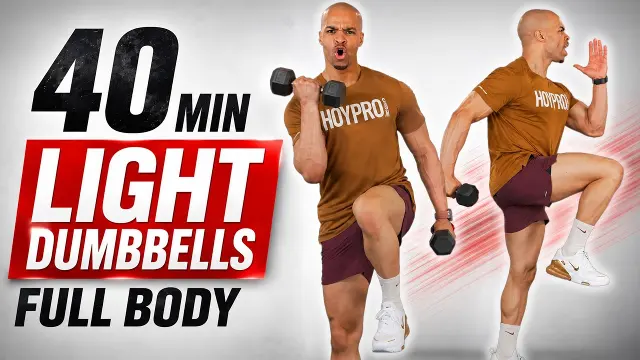
 Forty-Minute Full Body Workout with Light Dumbbells
#Endurance
1 ideas
Forty-Minute Full Body Workout with Light Dumbbells
Get new #Endurance ideas by email
Every Thursday: the week's best ideas, with the newest from #Endurance.
Related tags
Endurance: Building Stamina Step by Step
Endurance is the capacity to keep going. In everyday language it means stamina: the ability to sustain effort over time, whether that is a long walk, a full day on your feet, a swim, a climb or simply getting through a demanding week without running empty. It is less about how hard you can push for a moment and more about how much you can keep doing, and recover from, over the long run.
What endurance actually is
Endurance rests on several systems working together. Your heart and lungs deliver oxygen, your muscles use it, and your body manages fuel and heat along the way. When people train endurance, they are mostly teaching these systems to work more efficiently: the heart moves more blood with each beat, breathing becomes calmer at the same pace, and muscles become better at using what they are given. Much of that adaptation happens in the easy, unglamorous middle of your capacity, not at your limit.
The main kinds
Read more
- Aerobic endurance: sustained, moderate effort where breathing stays possible, such as walking, cycling, swimming or jogging at a conversational pace. This is the foundation most other endurance sits on.
- Muscular endurance: the ability to repeat movements or hold a position for a long time, as in carrying, climbing stairs or doing many repetitions with light weight.
- Anaerobic endurance: shorter bursts of harder effort, like sprinting or hill intervals, which ask more of the body than steady work and are best added once a base exists.
- Mental endurance: the ordinary skill of continuing when motivation fades, which is trained by keeping promises to yourself at a modest size.
If you are starting out
The most common mistake is beginning too fast. A useful rule is to start at a level that feels almost too easy, then add time before you add intensity. Three sessions a week is plenty at first, with rest days between them. Build gradually: increase duration or difficulty by a small step, hold it for a while, then step again.
Pay attention to breathing. If you can speak in short sentences, you are probably working aerobically; if you cannot say a few words, slow down. Consistency beats heroics, and a short session you actually repeat is worth more than a long one you dread.
Practical habits
- Warm up gently and cool down, rather than jumping straight into hard effort.
- Vary the surface and the movement so the same joints are not always loaded the same way.
- Sleep and food are part of training, not a break from it; endurance built on exhaustion fades quickly.
- Keep a simple record, so progress is visible on days when it does not feel like progress.
- Stop and rest if something hurts sharply, and seek proper advice for pain that persists.
Endurance is patient work. It rewards regularity far more than intensity, and it tends to arrive quietly, in the form of stairs that no longer wind you.
#Endurance: frequently asked questions
How do I start building endurance if I'm completely new to it?
Begin at a pace that feels almost too easy, then extend how long you go before you make it harder. Keep sessions short enough that you finish wanting more, space them out with rest days in between, and only step up once the current level feels comfortable. Repeatability matters far more at this stage than effort.
Do I need special equipment or a gym to improve endurance?
No — walking, stair climbing, swimming, cycling or jogging all build it with nothing but shoes and a bit of time. Light weights or household objects are enough if you want to work on muscular endurance, and a notebook or phone note is genuinely useful for tracking what you did. What you actually need is regularity and a way to rest.
Which kind of endurance should I focus on first?
Start with aerobic endurance — steady, moderate work where you can still speak in short sentences — because it underpins everything else. Add muscular endurance, such as carrying or repeated light movements, once moving steadily feels normal. Save the shorter, harder bursts for later, when a base already exists.
What are the biggest mistakes people make when training endurance?
Going too hard too soon is the classic one: it burns people out and makes the next session feel like a punishment. The other is treating sleep and food as time off from training, when they are where the adaptation actually happens. Ignoring sharp or persistent pain is a mistake too — rest it and get proper advice rather than pushing through.
How do I care for my endurance so it keeps improving?
Warm up gently and cool down instead of jumping cold into hard effort, and vary the surface and the movement so the same joints aren't always loaded the same way. Keep a simple record so progress is visible on the days it doesn't feel like progress, and build back gradually after any break. Endurance fades fast when it's built on exhaustion.
Can I train endurance for a specific occasion, like a long walk, a hike or a charity event?
Yes — work backwards from the kind of effort the day will ask of you, whether that's hours on your feet, a long climb or repeated lifting. Practise the duration and the movement patterns rather than only the intensity, and rehearse with the shoes, layers and food you plan to use. Arrive rested rather than squeezed dry by last-minute training.
Videos come from YouTube and posts from Instagram; titles and summaries are our own. All rights belong to their creators.