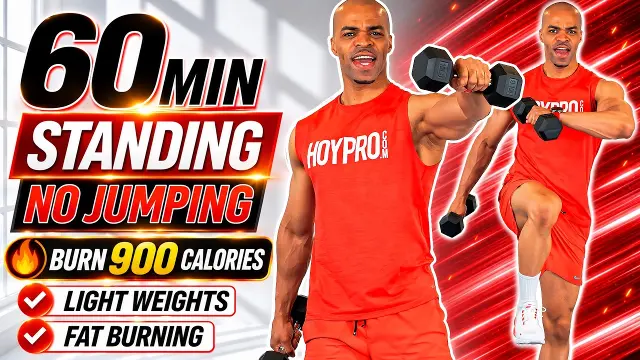
 One-Hour Standing Light Dumbbell Fat-Burning Workout
#Light Dumbbells
13 ideas
One-Hour Standing Light Dumbbell Fat-Burning Workout
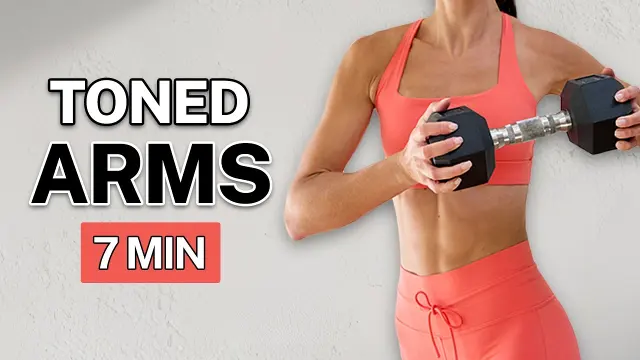 Eight-Minute Pilates Arm Workout Using Light Dumbbells
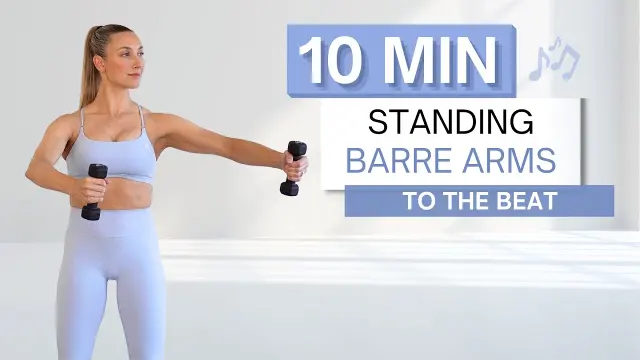 Ten-Minute Barre Arm Workout With Light Dumbbells
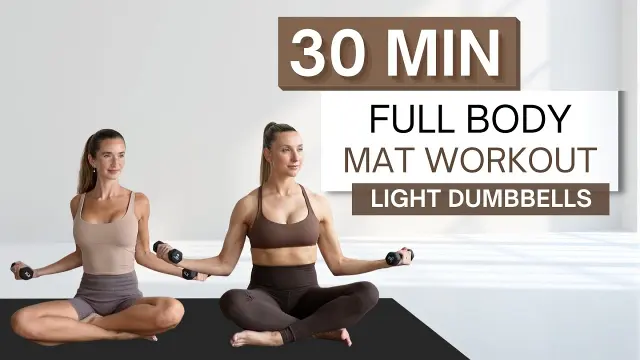 Thirty-Minute Pilates and Barre Mat Workout with Light Dumbbells
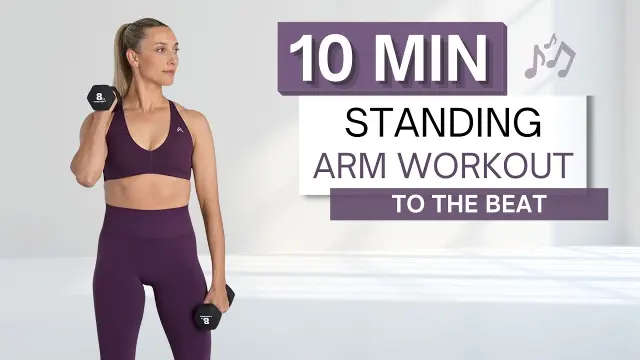 Ten-Minute Standing Arm Workout With Medium Dumbbells
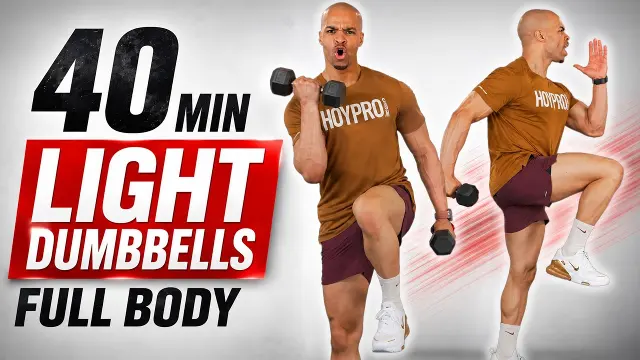 Forty-Minute Full Body Workout with Light Dumbbells
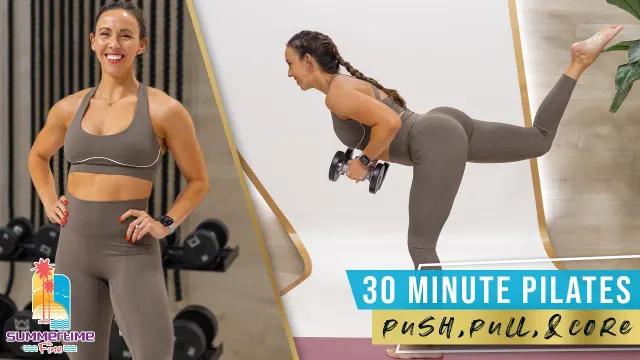 Pilates Push, Pull and Core Workout with Light Dumbbells
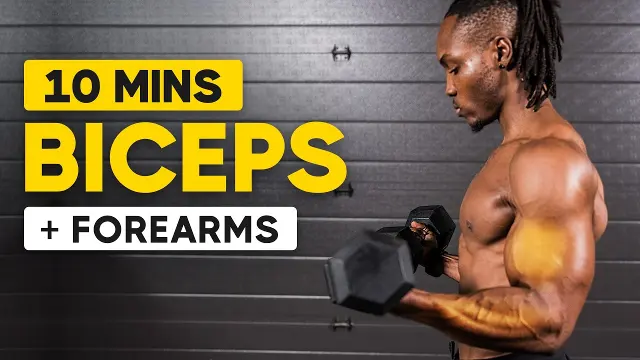 Ten-Minute Light Dumbbell Biceps and Forearm Session
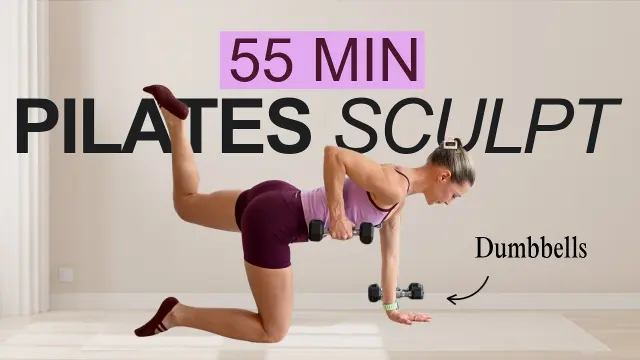 Fifty-Five-Minute Pilates Class with Light Dumbbells
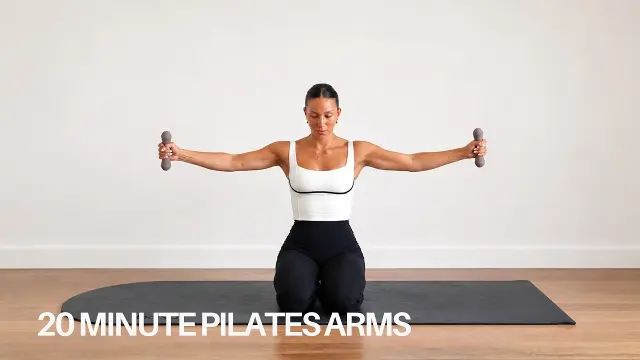 Twenty-Minute Pilates Arm Workout With Light Dumbbells
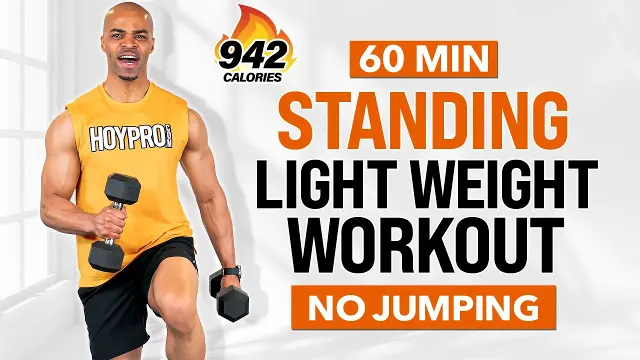 One-Hour Standing Full Body Dumbbell Workout
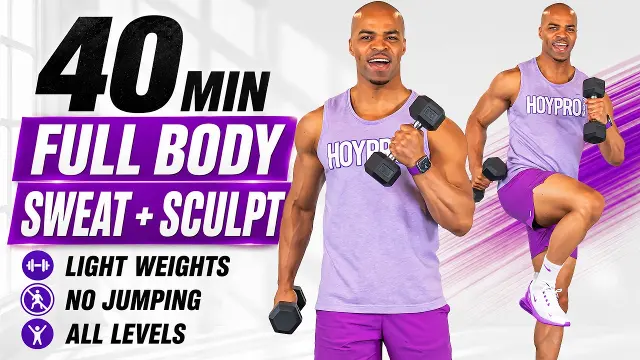 Forty-Minute Standing Sweat and Sculpt with Light Dumbbells
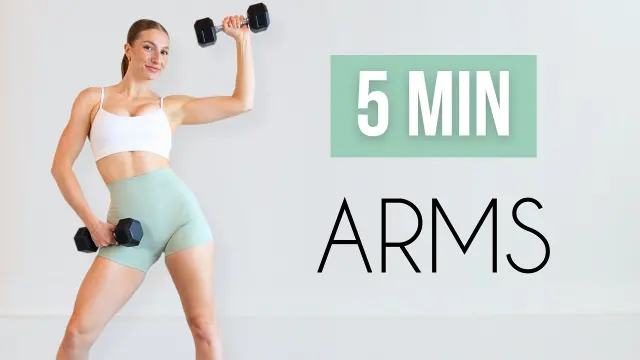 Five-Minute Dumbbell Workout for Arms, Shoulders and Back
Get new #Light Dumbbells ideas by email
Every Thursday: the week's best ideas, with the newest from #Light Dumbbells.
Related tags
Light Dumbbells: A Beginner's Guide to Small Weights
Light dumbbells are small handheld weights, usually somewhere between one and five kilos, that you can lift with one hand and move through long, flowing ranges of motion. They are the quiet workhorses of home exercise: cheap to buy, easy to store, and forgiving enough for almost anyone to pick up. Where heavy weights are about lifting as much as possible, light ones are about control — how smoothly you move, how well you hold a position, how many good repetitions you can string together before form slips.
Where they come from
Handheld weights are old. Athletes in ancient Greece trained with stone or metal halteres, swung and carried as part of jumping and throwing practice, and similar implements appear in exercise traditions around the world. The modern dumbbell — a short bar with a weight at each end — grew out of gymnasium culture in the nineteenth century, and lighter versions followed once exercise moved into homes and studios. Today the light dumbbell has a firm place in Pilates, barre, dance conditioning and gentle strength classes, where the aim is precision rather than heavy loading.
What they are used for
Read more
Small weights suit muscular endurance work: many controlled repetitions using the shoulders, arms, back and legs. They appear in arm series, standing posture work, balance drills and low-impact cardio circuits. Because the load is modest, light dumbbells are also common in rehabilitation and in exercise for older adults, where the goal is keeping joints moving and muscles active rather than chasing maximum strength. They are a practical way to add resistance to bodyweight movements at home.
Kinds and what to look for
You will find fixed-weight dumbbells in cast iron, rubber-coated and vinyl versions, plus adjustable sets that let you add or remove plates. Neoprene-coated weights are comfortable to hold and kind to floors; adjustable ones save space but take a moment to change. Hold a pair before buying: the handle should sit easily in your palm, and the dumbbell should feel controlled rather than heavy in the position you plan to train. Most people start lighter than they expect.
Practical tips for beginners
- Begin with a weight you can move for ten to twelve slow repetitions while keeping your shoulders relaxed and your wrists straight.
- Move deliberately. Slower is harder and safer than swinging.
- Keep breathing. Exhale as you lift, inhale as you return.
- Work in front of a mirror or take a short video to check that you are not shrugging or arching your back.
- Stop when form breaks down rather than pushing through the last few sloppy repetitions.
- Give muscles a day between sessions, and build up gradually.
- If you have an injury or a health condition, check with a qualified professional before starting.
Ten minutes of careful work, done regularly, does more than an hour of rushed effort. Start where you are, and let the repetitions get easier before you reach for the next weight.
#Light Dumbbells: frequently asked questions
How do I start using light dumbbells if I've never trained with weights before?
Pick up a pair that feels almost too easy and spend your first sessions learning to move slowly through a full range of motion rather than trying to tire yourself out. Keep the sessions short and focus on relaxed shoulders, straight wrists and steady breathing, then add repetitions or a slightly heavier pair once the movement feels automatic. A few careful minutes done consistently will teach you more than one long, ambitious session.
Which kind of light dumbbell should I choose?
Fixed-weight pairs in a coated finish are comfortable in the hand and gentle on floors, while adjustable sets let you add or remove plates and take up less space. The deciding factor is really the handle: hold a pair in the position you plan to train in and check that it sits naturally in your palm and feels controlled rather than heavy. Most people are surprised to find they do better with a lighter pair than they expected.
What can I actually do with light dumbbells at home?
They shine in endurance-style work: arm series, standing posture and balance drills, low-impact cardio circuits and mat sessions borrowed from Pilates and barre. Because the load is modest, they are also a simple way to add resistance to bodyweight movements without needing much space or setup. Short focused sessions for the arms, shoulders and back work just as well as longer full-body classes.
What are the most common mistakes people make with light weights?
Swinging the weight and rushing the repetitions is the usual one — slow, deliberate movement is both harder and safer than momentum. Shrugging the shoulders or arching the back under a small load creeps in quietly, so check your form in a mirror or on a short video now and then. Another common slip is pushing through the last sloppy repetitions instead of stopping when control goes.
How should I look after light dumbbells so they last?
Wipe coated and neoprene weights after use so grip and finish stay clean, and store them somewhere dry rather than in a damp corner. Adjustable sets benefit from a quick check that the plates and collars are seated snugly before each session. Keeping them within easy reach matters too — weights you can grab in a moment get used far more often than ones packed away in a box.
Are light dumbbells worth it if I already do bodyweight exercise?
Yes, in a modest way: they let you add resistance to movements that have started to feel familiar, which keeps the muscles working through a longer, more controlled range. They are not a substitute for heavier loading if maximum strength is your goal, but they are excellent for endurance, posture and the smaller supporting muscles. Think of them as a way to make what you already do more precise rather than more strenuous.
Videos come from YouTube and posts from Instagram; titles and summaries are our own. All rights belong to their creators.