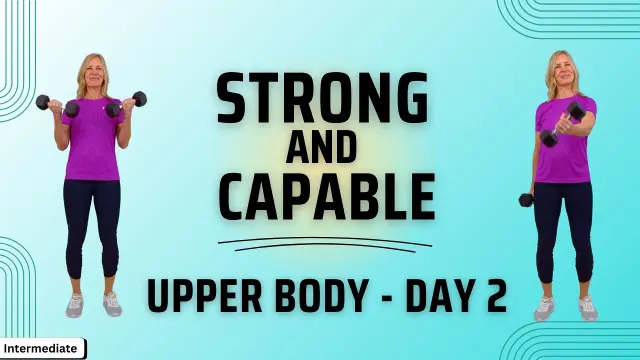
 20-Minute Standing Upper Body Dumbbell Workout With No Floor Work
#Standing Workout
6 ideas
20-Minute Standing Upper Body Dumbbell Workout With No Floor Work
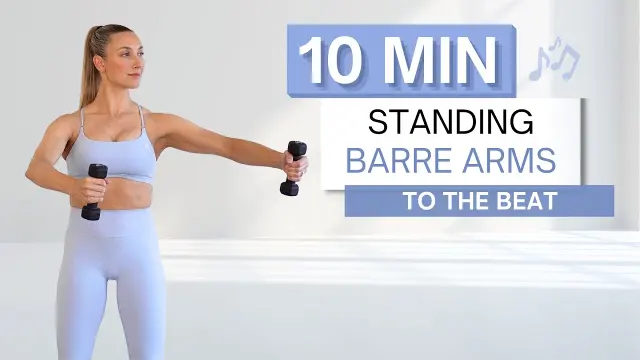 Ten-Minute Barre Arm Workout With Light Dumbbells
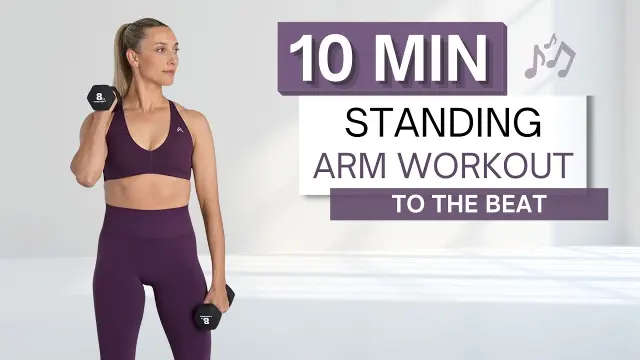 Ten-Minute Standing Arm Workout With Medium Dumbbells
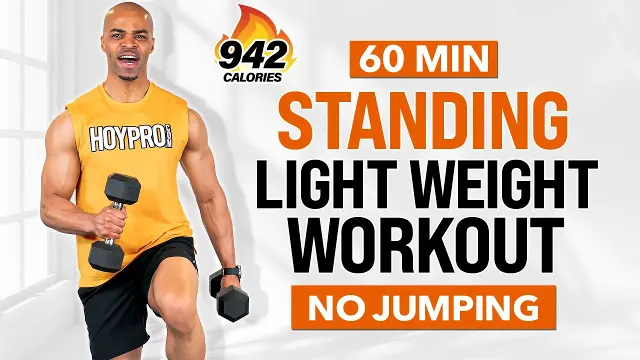 One-Hour Standing Full Body Dumbbell Workout
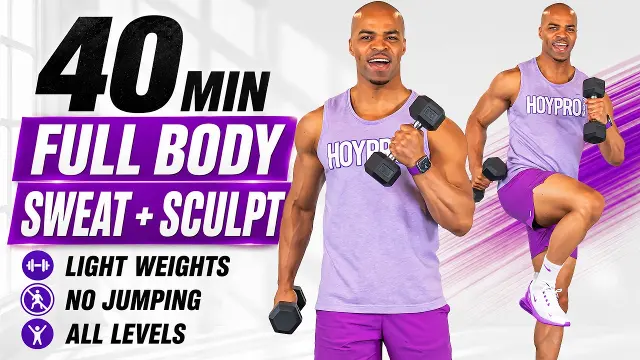 Forty-Minute Standing Sweat and Sculpt with Light Dumbbells
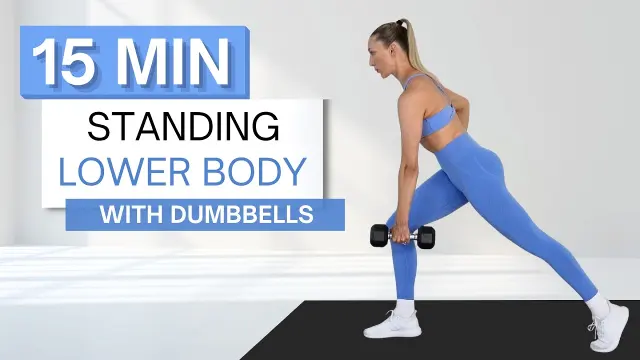 15 Minute Standing Lower Body Workout with Dumbbells
Get new #Standing Workout ideas by email
Every Thursday: the week's best ideas, with the newest from #Standing Workout.
Related tags
Standing Workouts for Strength and Mobility
What a standing workout is
A standing workout is a set of exercises performed upright, without lying down or kneeling. It can include bodyweight moves, light weights, resistance bands, or simple rhythmic patterns that keep you moving while staying on your feet.
This style of exercise is useful because it trains more than one thing at once. You may work your legs, core, arms, posture, and balance in a single session. It also tends to feel practical and approachable, especially if you want a routine you can do in a small space or fit into a busy day.
Why people choose it
Read more
Standing workouts are often used for general fitness, warm-ups, low-impact cardio, and muscle endurance. They can be a good option if getting down on the floor is uncomfortable, or if you want to keep your body moving in a way that feels natural and easy to repeat.
Because you stay upright, many standing exercises also challenge your stability. That means your body has to support itself while moving, which can help you become more aware of your posture, weight placement, and control.
Common types of standing exercises
There are many ways to build a standing workout. Some common categories include:
- Squats, lunges, and step-back movements for the legs and glutes
- Side leg lifts, calf raises, and toe taps for lower-body endurance
- Arm raises, presses, and rows with light weights or bands
- Standing core work such as knee lifts, twists, and controlled reaches
- Gentle dance-based or marching sequences for a more cardio-focused session
You can combine these into a circuit, or repeat one movement pattern for several rounds.
Techniques and styles
Standing workouts range from slow and controlled to faster-paced and more energetic. Some focus on strength, using careful form and short sets. Others are more movement-based, with flowing transitions that keep your heart rate up.
For beginners, it helps to start with the basics:
- Keep your feet planted firmly and your knees soft, not locked
- Move with control instead of rushing through repetitions
- Use a chair or wall for support if you need extra balance
- Choose a range of motion that feels comfortable
- Stop if you feel pain, dizziness, or strain
Practical tips
A good standing workout should feel steady and manageable. Start with a warm-up such as marching in place, shoulder rolls, or gentle side steps. Wear supportive shoes if that helps your balance and comfort. If you use weights, begin with a light load and focus on form first.
You do not need complicated equipment or a long routine to get value from standing exercises. A few well-chosen movements, done regularly, can give you a simple and effective workout that fits into everyday life.
A simple way to think about it
If you want a routine that is accessible, flexible, and easy to repeat, standing workouts are a good place to begin. They let you build strength and coordination while staying upright, alert, and in control of your movement.
#Standing Workout: frequently asked questions
How do I start a standing workout as a beginner?
Start with simple moves like marching in place, side steps, gentle squats, or arm raises, and focus on smooth control rather than speed. Keep your feet grounded, your knees softly bent, and use a chair or wall for extra support if you need help with balance.
What equipment do I need for a standing workout?
You can do a standing workout with no equipment at all, or add light weights or resistance bands if you want more challenge. Supportive shoes can also help you feel steadier and more comfortable while you move.
Which type of standing workout should I choose?
Choose the style that matches your goal: lower-body moves for legs and glutes, arm-focused work with weights, or a full-body circuit if you want a bit of everything. If you prefer something gentler, a marching or dance-based routine can keep you moving without feeling too intense.
How do I make a standing workout feel safe and effective?
Warm up first, move with control, and choose a range of motion that feels comfortable for your body. Good form matters more than intensity, and you should stop if you feel pain, dizziness, or strain.
What are common mistakes people make in standing workouts?
A common mistake is rushing through the movements and losing control, which can affect balance and form. Another is locking the knees or choosing exercises that are too hard too soon, instead of building up gradually with steady, manageable movements.
Videos come from YouTube and posts from Instagram; titles and summaries are our own. All rights belong to their creators.