 Christopher Columbus Story for English Listening Practice
#English Learning
21 ideas
Christopher Columbus Story for English Listening Practice
 Beginner English Reading Practice with Classic Literature
 English Podcast for Learning Conversation and Listening Skills
 Repeat After Me and Shadowing English Speaking Practice
 Stop Wasting Your Time and Take Control English Listening Practice
 English Conversation Practice for Beginners and Daily Use
 Train Your Brain to Speak English With Beginner Listening Practice
 How to Think Positive Every Day English Listening Practice
 Beginner English Challenge Daily Listening Practice
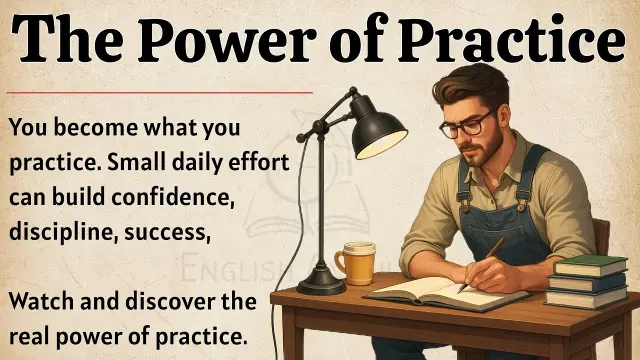 The Power of Practice Graded Reader for English Fluency
 Speak English With Me Fifteen Minute Podcast Practice
 Complete Explanation of English Language Skills
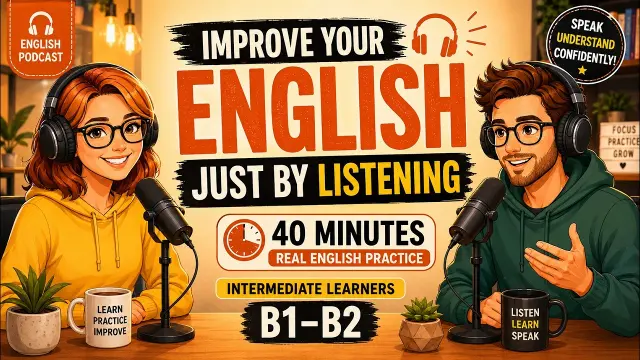 Improve Your English With Intermediate Listening Practice
 English Listening Practice About the Power of Love
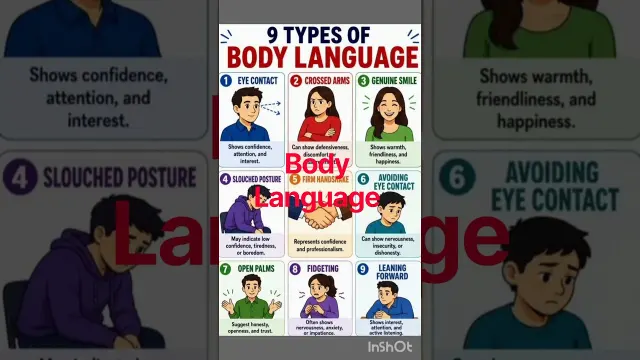 Different Types of Body Language for Beginners
 The Entire History of the British Empire English Listening Practice
 How to Speak English on the Phone Real Conversation Practice
 Advanced English Listening Practice for C1 and C2 Fluency
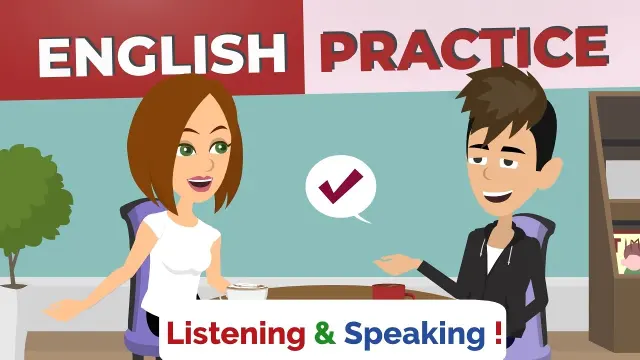 Daily English Speaking Practice and Listening Conversation
 Who Really Opened the Great Wall of China Listening Practice
 The History of Chocolate Explored Through English Listening
Get new #English Learning ideas by email
Every Thursday: the week's best ideas, with the newest from #English Learning.
Related tags
English Learning Guide
Learning English means more than memorising words. It is the process of building the ability to understand, speak, read, and write in one of the world’s most widely used languages. People learn English for travel, work, study, online communication, or simply to enjoy books, films, and conversations with more ease.
English has grown through a long history of contact with other languages, which is one reason its vocabulary is so rich and sometimes irregular. That can make it feel difficult at first, but it also means there are many familiar words and useful patterns to discover. As you learn, it helps to see English as a living language with many accents and styles, not one single perfect version.
The main skills
A balanced approach usually includes four core skills:
Read more
- Listening: training your ear to hear sounds, rhythm, and common phrases
- Speaking: practising pronunciation, fluency, and confidence
- Reading: understanding words, grammar, and meaning in context
- Writing: forming clear sentences and expressing your own ideas
Each skill supports the others. For example, reading gives you vocabulary, listening helps you notice natural language, and speaking turns passive knowledge into active use.
How beginners can start
If you are beginning, focus on the most useful everyday language first. Learn common verbs, greetings, question words, time expressions, and simple sentence patterns. Short, clear sentences are better than trying to learn too much at once.
A few useful habits include:
- Learn small groups of words that belong together
- Practise a little every day instead of very long sessions occasionally
- Repeat words and phrases aloud
- Review often so new language stays fresh
- Use simple texts and audio that match your level
It is better to understand a little well than to rush through a lot without keeping it.
Grammar, vocabulary, and pronunciation
Grammar helps you put words in the right order and make your meaning clear. Vocabulary gives you the material to say what you want. Pronunciation helps other people understand you and helps you understand them in return.
Do not try to master everything at once. English grammar has many useful patterns, but many learners progress fastest when they learn grammar in context, through examples and real sentences. Vocabulary is easiest to remember when it is connected to a topic, a story, or a situation you care about.
Practical tips for steady progress
Try to make English part of ordinary life. Label objects around you, keep a short notebook of new words, listen to simple spoken English, and read short passages regularly. If possible, speak with other learners or native speakers, but do not wait for perfection before you begin.
Mistakes are a normal part of learning. They show you what to improve next. The most important thing is to keep using the language often enough that it becomes familiar and natural.
Videos come from YouTube and posts from Instagram; titles and summaries are our own. All rights belong to their creators.