 Complete US Citizenship Interview Practice for Older Applicants
#English Test
5 ideas
Complete US Citizenship Interview Practice for Older Applicants
 IELTS Listening Practice Test With Answers
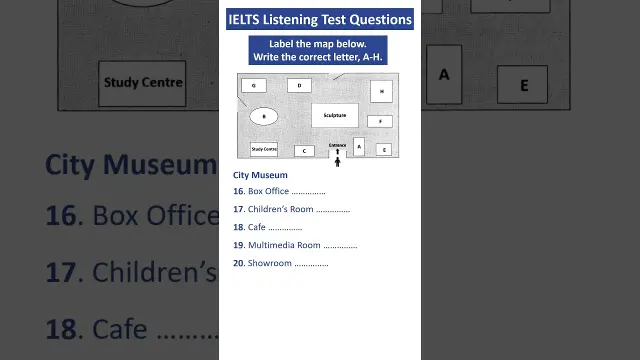 IELTS Listening Practice Test With Answers
 IELTS Listening Practice Test With Answers
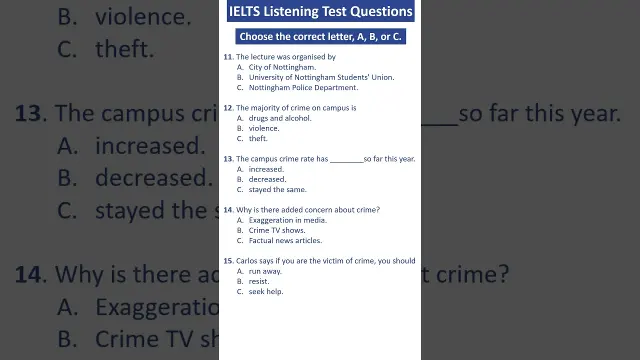 IELTS Listening Practice Test With Answers
Get new #English Test ideas by email
Every Thursday: the week's best ideas, with the newest from #English Test.
Related tags
English Tests and Exam Practice Guide
What English tests are
English tests are assessments that measure how well you understand and use the English language. They may check reading, writing, listening, speaking, grammar, vocabulary, or a combination of these skills. Some tests are used for school admission, immigration, work, or general language progress, while others are simply for practice and self-assessment.
There are many kinds of English tests, but they usually fall into a few broad groups. Some focus on general English, where you show that you can communicate in everyday situations. Others are academic, with tasks based on lectures, essays, and formal reading. Some are designed for specific purposes, such as citizenship, employment, or entry into a course. A few tests are short and informal; others are longer and more structured.
Common parts of an English test
Read more
Many English tests include a mix of skills. Reading tasks may ask you to understand main ideas, find details, or match information. Listening tasks often involve conversations, announcements, or short talks, and you may need to answer questions while you listen. Writing tasks can range from short responses to longer paragraphs or essays. Speaking tests usually involve answering questions, describing a topic, or taking part in a short conversation.
Grammar and vocabulary are also often tested, either directly or through reading and writing. Even when a test does not have a separate grammar section, correct sentence structure and word choice still matter.
What beginners should know
If you are new to English test practice, start by understanding the format of the test you want to take. Knowing how many sections there are, what kinds of questions appear, and how much time you have can reduce stress and help you prepare more effectively.
It also helps to build your skills gradually:
- Read short texts in English regularly.
- Listen to clear spoken English and try to follow the main idea.
- Practice writing simple, complete sentences.
- Speak out loud when you can, even if you are practicing alone.
- Learn common question words such as what, why, when, where, and how.
Practical preparation tips
Good preparation is not only about memorizing answers. It is about becoming comfortable with the language and the test style. Try to practice under timed conditions sometimes, so you get used to working within limits. Review your mistakes carefully and look for patterns. If you often miss the same kind of question, spend extra time on that skill.
For listening practice, focus on understanding the speaker’s purpose and key details, not every single word. For reading, learn to scan for names, numbers, and important words, but also practice reading for meaning. For writing, aim for clear structure: an introduction, a main point or two, and a short conclusion when appropriate. For speaking, answer naturally and clearly, and do not be afraid to pause briefly before you speak.
A steady approach works best
English test success usually comes from regular practice over time. Small, consistent study sessions are often more effective than trying to do everything at once. If you keep building your vocabulary, improving your grammar, and practicing all four skills, you will become more confident and better prepared for the test you choose.
Videos come from YouTube and posts from Instagram; titles and summaries are our own. All rights belong to their creators.