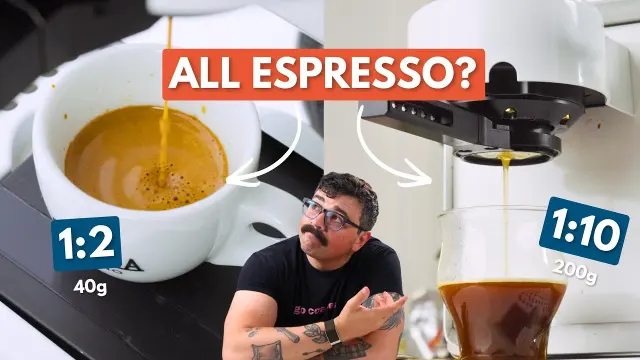
 Every Espresso Recipe Explained From Traditional to Modern
#Espresso
15 ideas
Every Espresso Recipe Explained From Traditional to Modern
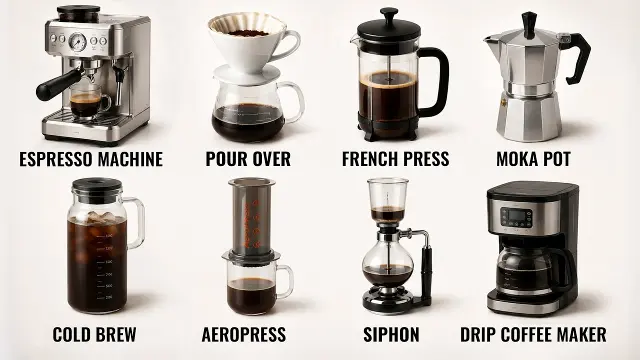 Understanding the Core Principles of Coffee Extraction
 The Espresso Revolution Focusing on Flow Over Pressure
 Setting Up a Dream Home Espresso Machine and Making Lattes
 Morning Espresso Relaxing Jazz Music for Focus
 Best Espresso Machines for Home from Beginner to Advanced
 How to Properly Dial In Espresso Grind Size and Dose
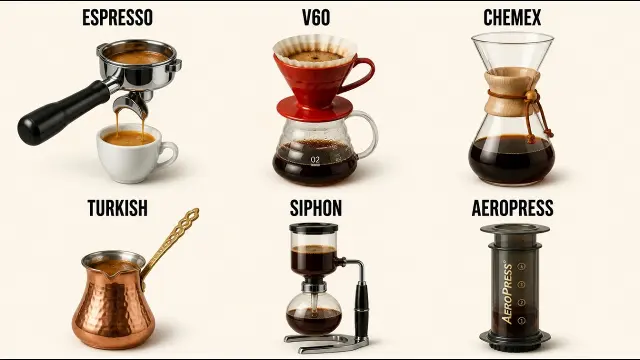 A Complete Breakdown of Popular Coffee Brewing Methods
 How to Dial In Espresso and Master Extraction Principles
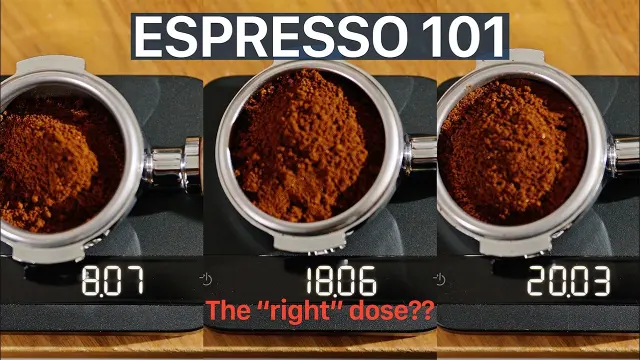 Espresso 101 How to Pull a Great Shot of Coffee
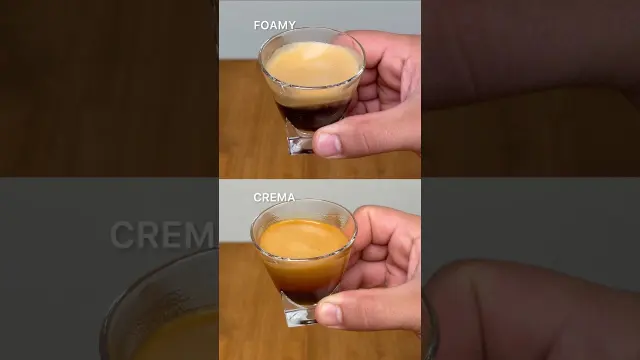 Comparing Pressurized and Non-Pressurized Espresso Baskets
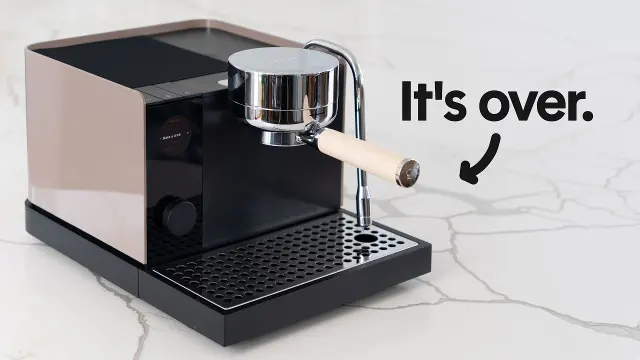 First Look at the Fellow Series 1 Home Espresso Machine
 Why Coffee Grinder Particle Size Matters More Than Your Machine
 Understanding Coffee Strength and Total Dissolved Solids
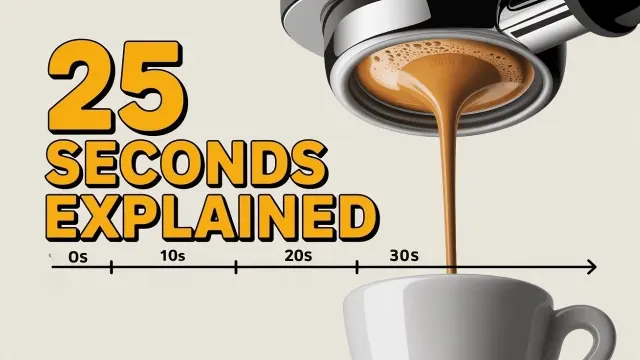 The Physics and Pressure Behind Proper Espresso Extraction
Get new #Espresso ideas by email
Every Thursday: the week's best ideas, with the newest from #Espresso.
Related tags
Espresso: A Guide to the Small, Strong Coffee
What espresso is
Espresso is a concentrated coffee made by forcing hot water through finely ground coffee under pressure. It began in Italy and became popular because it produces a small, intense drink with a rich aroma, a fuller body, and a layer of golden foam called crema. Although it is often served as a quick shot, espresso is also the base for many familiar coffee drinks.
How it differs from other coffee
Espresso is not a different coffee bean or a special roast by itself. It is a brewing method. The same beans can be used for espresso or for filter coffee, but espresso needs a finer grind and a carefully controlled extraction. Because the water passes through the coffee quickly, small changes in grind, dose, or tamping can make a big difference in taste.
Read more
Main elements of a good shot
A balanced espresso depends on a few basic factors working together:
- Freshly ground coffee: Espresso is very sensitive to grind size, so grinding just before brewing helps consistency.
- Fine, even grind: Too coarse can make the shot weak and sour; too fine can make it slow and bitter.
- Correct dose: The amount of coffee in the basket should suit the size of the portafilter and the recipe you are using.
- Even tamping: Pressing the coffee bed evenly helps water flow through it uniformly.
- Stable water temperature and pressure: Consistency matters more than force.
Common styles and uses
Espresso can be served on its own or used as the base for drinks with milk or water. A straight shot highlights the coffee’s flavour and texture. A longer pour may feel lighter and more diluted. Milk-based drinks soften the intensity and add sweetness and creaminess. Espresso can also be enjoyed after a meal or used in desserts and baking for its strong coffee flavour.
What beginners should know
If you are just starting, focus on consistency rather than perfection. Taste each shot and notice whether it seems sour, bitter, thin, or overly intense. These clues often point to the grind or extraction time. A good starting point is to change one thing at a time so you can see what made the difference.
- If the espresso tastes sour or sharp, the coffee may be under-extracted.
- If it tastes harsh or dry, it may be over-extracted.
- If the flow is too fast, try a finer grind.
- If the flow is too slow or stuck, try a coarser grind.
Simple practical tips
Use fresh coffee, keep your equipment clean, and pay attention to the grinder as much as the machine. Espresso is sensitive to stale grounds, leftover oils, and uneven particle size. Let your cup warm slightly before brewing if you want the drink to stay hot longer. Most importantly, learn to taste and adjust gradually. With espresso, small changes can lead to a much better cup.
Videos come from YouTube and posts from Instagram; titles and summaries are our own. All rights belong to their creators.