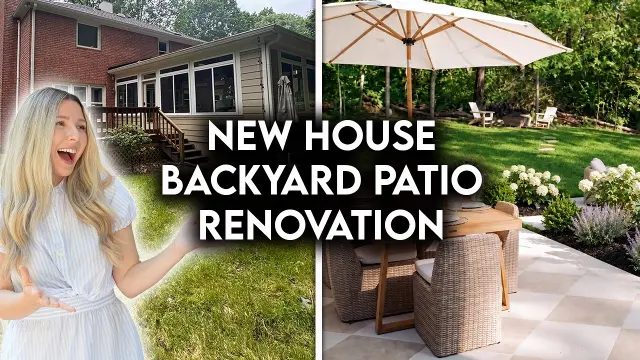
 Extreme European-Inspired Backyard Patio Renovation
#European Garden
1 ideas
Extreme European-Inspired Backyard Patio Renovation
Get new #European Garden ideas by email
Every Thursday: the week's best ideas, with the newest from #European Garden.
Related tags
European Garden Style: A Guide to Classic Formal Gardens
A European garden is less a single style than a family of traditions shaped by centuries of gardening across the continent. What binds them together is a confident hand with structure: clipped hedges, geometric beds, gravel paths, stonework, and a clear sense of where one space ends and another begins. Where a cottage border grows freely, a European garden is designed, and that visible intention is what gives it its calm, almost architectural presence.
Where it comes from
The formal garden took root in Renaissance Italy, where terraces, stairways and water features were arranged along axes that framed the surrounding landscape. It travelled to France, where it grew into something grander and more expansive, with long vistas, parterres and woodland cut into straight lines. In England it softened: the same geometry, but with looser planting, mixed borders and a preference for views that appear to wander. Dutch and Flemish gardens added their own signature — neat topiary, clipped evergreens and an intimate, enclosed scale. Every version shares a belief that a garden is a room, and that the walls can be made of plants.
The main kinds
Read more
- Formal parterre gardens, with low hedging outlining patterns, often viewed from above.
- Walled or courtyard gardens, enclosed and intimate, common in Mediterranean and northern European towns alike.
- Kitchen and potager gardens, where vegetables, herbs and cutting flowers are arranged in orderly blocks.
- Cottage gardens in the European vernacular, dense and informal yet built around paths and boundaries.
- Woodland and parkland gardens, where trees and open grass do the structural work.
What beginners should know
Start with the bones rather than the flowers. Decide on the lines of your space — paths, edges, a hedge, a low wall — and let planting follow. Symmetry is forgiving: repeat the same shrub or the same pot at equal distances, and an ordinary yard begins to feel composed. Choose a small palette of structural evergreens, box, yew or rosemary among them, then add seasonal colour loosely within that frame.
Materials matter as much as plants. Gravel, stone, terracotta and aged brick carry the style as reliably as any border. Keep paths wide enough to walk comfortably and edges crisp; a formal garden loses its character quickly when lines blur.
Practical tips
Look at how much sun each part of the garden receives before deciding where to sit, and place the view from the house first. Invest in a decent pair of shears and clip hedges little and often rather than hard and rarely. Allow some plants to relax against the structure, since an overly rigid garden can feel cold. Water features do not need to be large to be effective; the sound carries.
Above all, give the garden time. European gardens are built over years, and their beauty lies in the way structure outlasts any single season of planting.
#European Garden: frequently asked questions
How do I start a European-style garden if my yard is small?
Begin with the layout rather than the plants: settle where paths run, where the edges fall, and where a hedge or low wall will define the space. Once those lines exist, repeat a single structural shrub or pot at regular intervals so the eye reads order, then fill in with seasonal colour. A modest plot handles this well, since geometry does more work than size.
What do I need to create the look?
The essentials are structure and surface: clipped evergreens or rosemary for the frame, and gravel, stone, terracotta or aged brick underfoot and along the edges. Good shears matter more than a long plant list, because the style lives or dies on crisp lines and regular clipping. None of this requires rare plants, only consistency.
Which kind of European garden should I choose?
Let your site and your patience decide. A parterre or courtyard suits a compact, enclosed space viewed from the house, a potager works if you want vegetables and cutting flowers in orderly blocks, and a woodland or parkland scheme fits a larger plot where trees can carry the structure. Climate and light will narrow the choice further.
How do I care for a formal garden without it becoming a burden?
Clip little and often rather than hard and rarely, which keeps hedges dense and saves you a punishing session later. Watch how sun moves across the garden before committing seating or a feature, and place the most important view where you will actually see it from indoors. Allow some planting to relax against the framework, since total rigidity reads cold.
What are common mistakes beginners make?
The usual one is buying flowers first and sorting out the bones afterwards, which leaves a garden that never quite settles. Paths laid too narrow, edges left to blur, and hedges cut back severely once a year all undo the effect quickly. Another is filling every gap, when restraint and repetition are what give the style its calm.
Can this style work for a patio or entertaining area?
Yes, and it is often where the style reads most clearly, since a paved area already supplies the hard structure the garden needs. Frame the space with clipped evergreens in pots, keep the paving edges sharp, and add a small water feature if you want sound without bulk. Repeat the same pot and plant at intervals to tie the whole area together.
Videos come from YouTube and posts from Instagram; titles and summaries are our own. All rights belong to their creators.