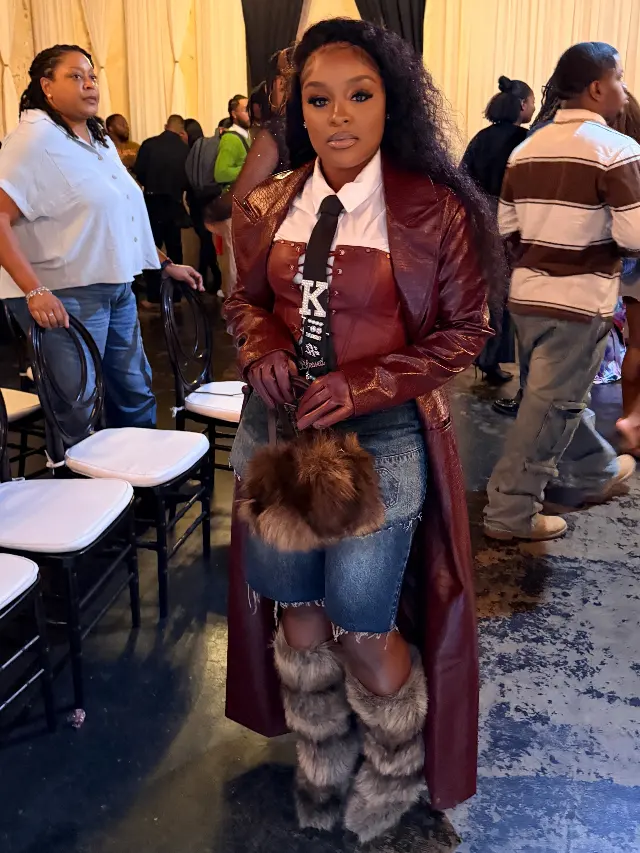
 Fashion Show Look Styled for an Event Appearance
#Event Style
1 ideas
Fashion Show Look Styled for an Event Appearance
Get new #Event Style ideas by email
Every Thursday: the week's best ideas, with the newest from #Event Style.
Related tags
Event Style: How to Dress for Any Occasion
Event style is the art of dressing for a specific occasion rather than for everyday life. It covers a wide field — weddings, christenings, graduations, galas, cocktail parties, milestone birthdays, formal dinners — and what unites them is a shared understanding: the clothes are chosen to honour the setting, the hosts and the moment. Where everyday dressing answers to comfort and habit, event dressing answers to context.
Why dress codes exist
A dress code is a shortcut. It tells you, without a long conversation, how formal the room will be and how much effort is expected. The traditional ladder runs from white tie at the most ceremonial end, through black tie and formal, to cocktail, smart casual and casual. In practice most invitations use gentler language: "festive", "garden party", "smart", "come as you are". Read those words as clues about fabric, length and finish rather than as rigid rules. If an invitation is genuinely unclear, asking the host is never rude — it is considerate.
The building blocks
Read more
Most event outfits are built from a few dependable pieces. A dress in a fabric with some weight and structure, a tailored jacket, well-cut trousers, a good pair of shoes you can actually walk in. Neutral colours give you room to move and can be dressed up or down with accessories, while a single strong colour or print does the work on its own. Evening events generally welcome deeper tones, richer textures and a little shine; daytime events tend to sit better with lighter, matte fabrics.
Fit and comfort matter more than novelty
The most elegant thing you can wear is clothing that fits properly. Shoulders should sit where your shoulders are, hems should fall where you intended, and nothing should require constant adjustment. Try the full outfit on before the day, shoes included, and sit down in it. If you will be standing for hours, dancing or travelling, comfort is not a compromise — it is what lets you enjoy yourself. Fabric choice helps here: natural fibres breathe and photograph well, and a little stretch in a fitted garment makes a long evening far easier.
Accessories, grooming and the finishing layer
Accessories set the register of a look. A structured bag, a simple necklace, a clean watch and shoes in good condition will carry a plain outfit a long way. Match the level of formality rather than the colour of everything. Grooming follows the same logic: clean, well-kept and comfortable in your own skin beats elaborate. If the event runs late or outdoors, plan a layer — a wrap, a light coat, a spare pair of flats — so the evening does not end early because you are cold or sore.
Practical advice for beginners
Start with what you already own and add one considered piece rather than buying a whole new wardrobe. Choose silhouettes you have worn before and know you like. Keep a small kit of essentials ready: a stain pen, spare hosiery, plasters for new shoes, a needle and thread. Above all, remember that event style is a form of respect, not a test. Dress for the room, but leave enough of yourself in the outfit to feel at home in it.
#Event Style: frequently asked questions
How do I start dressing for an event if I don't usually go to formal occasions?
Begin with pieces already in your wardrobe and add one thoughtful item rather than replacing everything. Choose shapes you have worn before and know you feel good in, then build the outfit around them. Trying the whole look on — shoes included — a few days ahead removes most of the guesswork.
What should I keep at home so I'm ready for an event?
A small kit of basics saves a lot of last-minute stress: a stain pen, spare hosiery, plasters for new shoes, and a needle and thread. Keep it somewhere you can grab it on the way out. A foldable layer and a spare pair of flats are worth adding for long or outdoor occasions.
How do I choose the right kind of outfit when the invitation's wording is vague?
Treat phrases like "festive", "smart" or "garden party" as hints about fabric, length and finish rather than strict rules, and let the time of day guide you. Daytime tends to suit lighter, matte fabrics, while evening leans towards deeper tones, richer textures and a little shine. If it is still unclear, asking the host is considerate rather than awkward.
Is it worth spending on new clothes, or can I work with what I have?
Most event outfits come down to a handful of dependable pieces — a dress with some weight and structure, a tailored jacket, well-cut trousers, comfortable shoes. Neutral colours stretch furthest because accessories can shift them up or down. One strong colour or print can carry a simple outfit on its own.
How do I care for event clothing so it lasts between occasions?
Deal with marks promptly, give garments room to hang rather than cramming them, and store anything delicate flat or on a proper hanger. Check hems, buttons and shoes well before the next event rather than the morning of it. Natural fibres reward a little attention and hold their shape and finish far longer.
What are the most common mistakes people make with event dressing?
The usual ones are buying something novel instead of something that fits, and leaving no room for comfort during a long day or evening. Clothing that needs constant adjustment rarely looks elegant, however lovely the piece. The aim is to dress for the room while still feeling like yourself in it.
Videos come from YouTube and posts from Instagram; titles and summaries are our own. All rights belong to their creators.