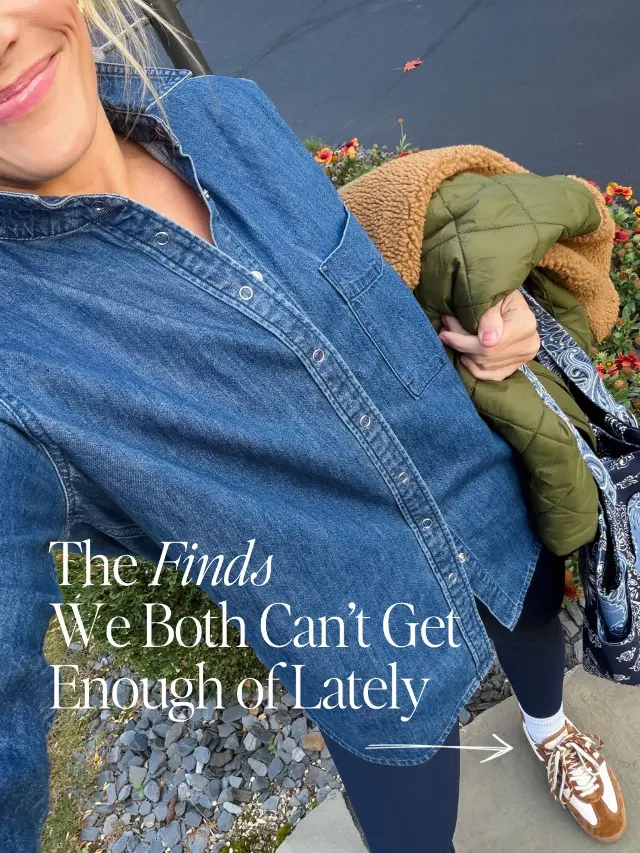
 Everyday Outfit Roundup: Denim, Fleece Jackets and Fair Isle Knits
#Everyday Outfits
3 ideas
Everyday Outfit Roundup: Denim, Fleece Jackets and Fair Isle Knits
Get new #Everyday Outfits ideas by email
Every Thursday: the week's best ideas, with the newest from #Everyday Outfits.
Related tags
Everyday Outfits: A Practical Guide to Dressing Well Daily
Everyday outfits are the clothes you actually live in: the combinations you reach for on ordinary mornings, when there is no occasion to dress for and no audience to impress. They sit between the formality of workwear and the ease of loungewear, and they are shaped less by fashion than by routine — the school run, the commute, the shop, the desk, the walk to the park. Because they are worn so often, they are also the clothes that most directly shape how a day feels.
The idea has roots in practicality rather than style movements. For most of history, ordinary people owned few garments and wore them hard, patching and reworking them as needed. Ready-to-wear clothing and the rise of casual dress through the twentieth century made it normal to own a broader wardrobe and to think of dressing as something flexible rather than fixed. Denim, the knit sweater, the plain shirt and the simple dress all came to be everyday staples because they were durable, comfortable and easy to combine.
What everyday dressing is built on
What sets everyday outfits apart is versatility. A piece earns its place if it works with several others and suits more than one setting. Most wardrobes that feel easy to dress from contain a handful of neutral foundations — trousers or jeans in a couple of shapes, a few plain tops, a knit or two, a layer such as a jacket or cardigan, and shoes you can walk in. Colour, pattern and personality come in on top of that base.
Read more
Fit matters more than any trend. A garment that sits properly at the shoulder and waist, and is the right length, will look better than an expensive item that does not. Trying things on, sitting down in them and moving about before deciding is more useful than judging from a mirror.
Different approaches
Some people dress in a uniform: a small set of near-identical outfits repeated until the decision disappears. Others build around a colour palette so that everything mixes. Some prefer a relaxed, oversized silhouette; others like clean, tailored lines. There is also the seasonal approach — a summer version and a winter version of the same outfit, adjusted through layers and fabrics rather than redesigned from scratch.
Layering is the most useful everyday skill. A shirt under a sweater, a sweater under a coat, a scarf or a lighter jacket for in-between days: layers let one outfit handle changing temperatures and shift from casual to slightly smarter.
Practical tips for beginners
Start by noticing what you already wear most, and why. Note the colours, shapes and fabrics involved; that is your real style, and it is a better guide than a photograph of someone else.
- Keep the base simple and let one element carry interest.
- Choose fabrics that suit your climate and tolerate frequent washing.
- Mend and care for clothes rather than replacing them quickly.
- Buy with combinations in mind, not single outfits.
- Keep shoes comfortable enough to walk in, since they set the tone of the whole look.
Finally, everyday dressing works best when it is not a performance. The point is to be comfortable, weather-appropriate and recognisably yourself — and to spend as little thought on it as the morning allows.
#Everyday Outfits: frequently asked questions
How do I start building everyday outfits if my wardrobe feels random?
Start with the clothes you already reach for most often and notice what they have in common, such as shape, colour, or fabric. Then build around a simple base of versatile pieces that can mix easily, instead of trying to create full outfits all at once.
What basics do I need for easy everyday dressing?
A good everyday wardrobe usually starts with a few neutral tops, trousers or jeans, a knit layer, and a jacket or cardigan you can throw on quickly. Comfortable shoes matter too, because they affect how practical and wearable the whole outfit feels.
Should everyday outfits be plain, or can they still feel stylish?
They can absolutely feel stylish without being complicated. A simple outfit becomes more interesting through fit, texture, layering, or one piece with a little personality, while the rest stays easy to combine.
How do I choose the right everyday outfit for changing weather?
Layering is the easiest way to make one outfit work across different temperatures. A shirt, sweater, and light jacket can be adjusted through the day, so you stay comfortable without needing a completely different look.
What are common mistakes people make with everyday outfits?
A common mistake is choosing clothes that look nice on their own but do not work well together or do not fit properly. Another is buying for a single outfit instead of choosing pieces that can be worn many ways and suit real daily life.
What kind of everyday outfit works for a casual outing or a busy day out?
For a casual outing, a simple combination like jeans or relaxed trousers, a plain top, and a layer such as a cardigan, jacket, or knit usually works well. Add comfortable shoes and keep the base easy, so the outfit feels relaxed but still put together.
Videos come from YouTube and posts from Instagram; titles and summaries are our own. All rights belong to their creators.