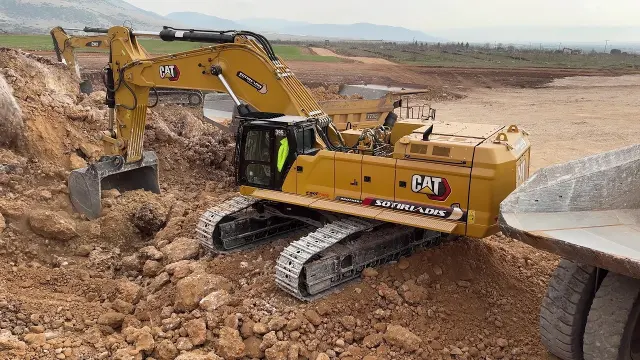
 Massive Caterpillar Heavy Equipment at Work
#Excavator
10 ideas
Massive Caterpillar Heavy Equipment at Work
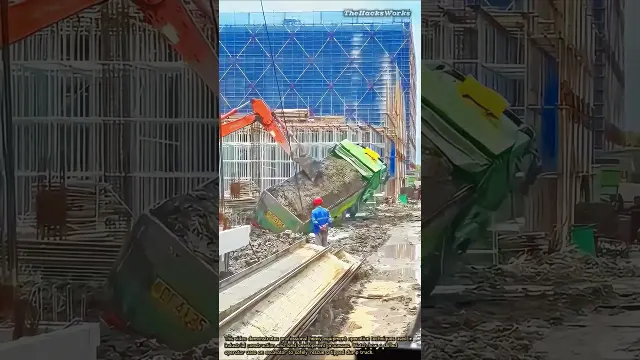 Excavator Rescuing a Tipped Dump Truck
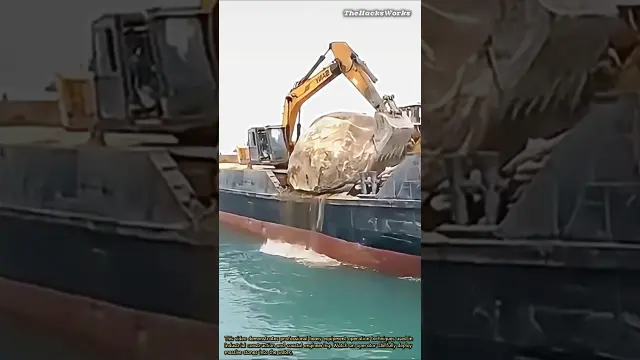 Excavator Operator Placing Armor Stones for Coastal Work
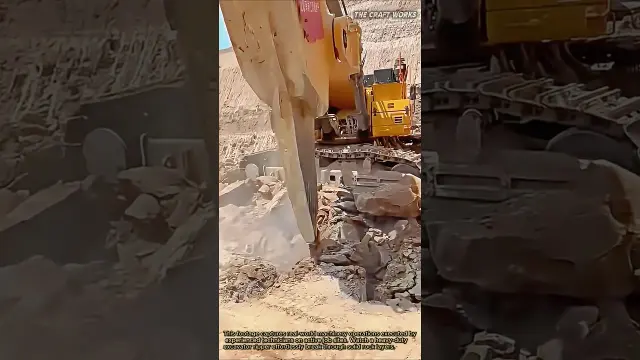 Heavy Excavator Ripper Breaking Solid Rock
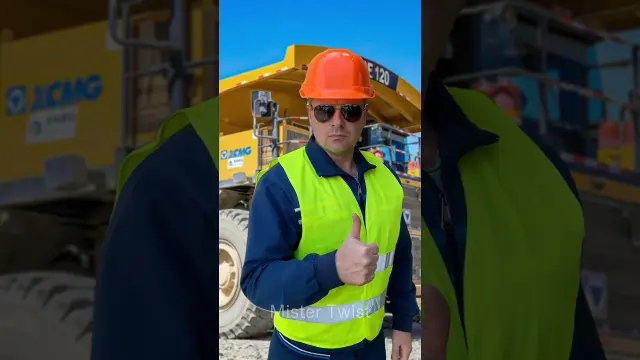 Giant Mining Dump Trucks and Massive Excavators
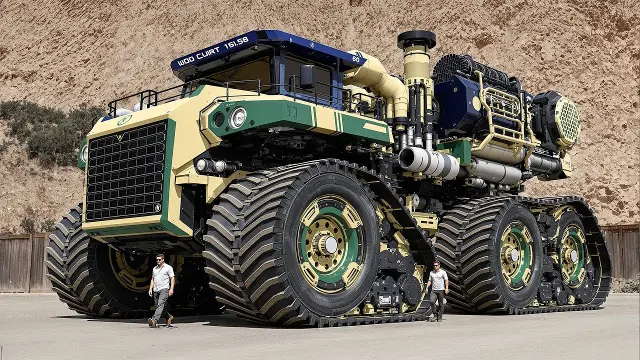 Multi-Million Dollar Heavy Equipment in Action
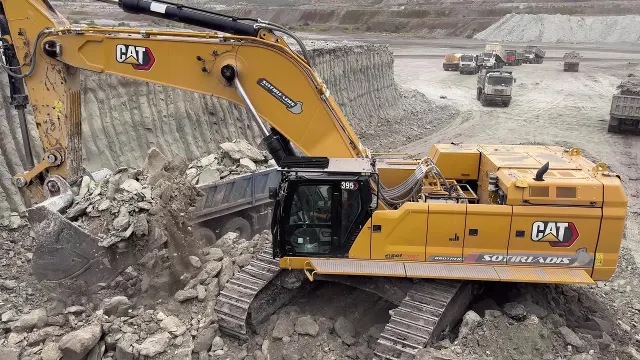 Feature-Length Heavy Equipment and Mining Operations
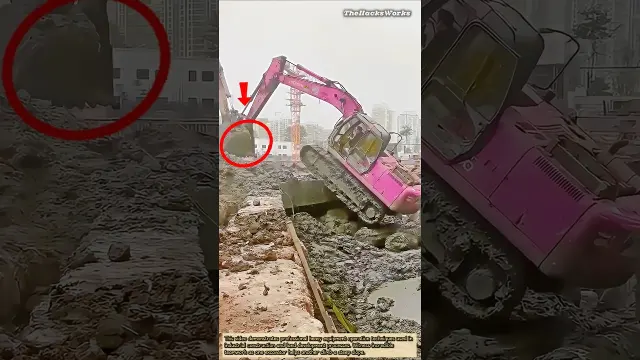 Excavator Teamwork on Steep Muddy Slopes
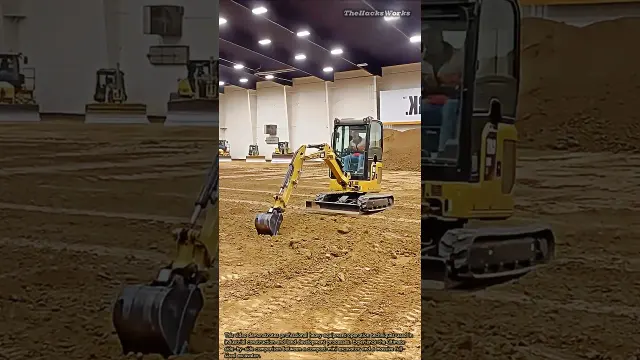 Size Comparison Between Mini and Full-Sized Excavators
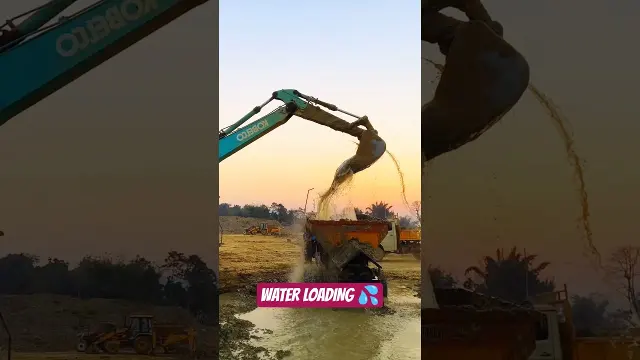 Excavator Loading Water Slurry into Dumper Truck
Get new #Excavator ideas by email
Every Thursday: the week's best ideas, with the newest from #Excavator.
Related tags
Excavators: types, uses and basics
What an excavator is
An excavator is a heavy construction machine used for digging, lifting, moving material and shaping the ground. You will see it on building sites, road works, landscaping jobs, demolition work and mining operations. Its main parts are the body, the boom, the arm, the bucket and the undercarriage. Most excavators work with hydraulic power, which gives them smooth, strong movement and good control.
The cab can usually rotate independently of the tracks, so the machine can dig and place material in many directions without moving its base. That makes an excavator useful in tight spaces as well as on large sites.
Common types
Read more
There are several kinds of excavators, and each one suits different work.
- Mini excavators: small, compact and useful for gardens, trenching, utility work and places with limited access.
- Standard excavators: the most common type for general construction, earthmoving and site preparation.
- Long-reach excavators: built for working farther from the machine, often used for deep or hard-to-reach areas.
- Wheeled excavators: more mobile on paved surfaces and urban sites.
- Crawler excavators: fitted with tracks for better stability and movement on soft or uneven ground.
- Specialized models: adapted for demolition, lifting, dredging or very heavy earthmoving.
The choice depends on the space available, the type of ground and the material you need to move.
What excavators are used for
Excavators are versatile machines. They are commonly used for:
- digging foundations, trenches and drainage channels
- loading soil, rubble, sand or gravel into trucks
- clearing sites and removing obstacles
- grading and shaping ground
- lifting heavy materials with the right attachment
- placing rocks or other large items
- demolition and cleanup work
With the right attachment, an excavator can do even more. Buckets are the most familiar, but there are also thumbs, breakers, grapples, rippers and other tools designed for specific tasks.
What beginners should know
If you are new to excavators, start by understanding control, visibility and balance. The machine may feel slow at first, but smooth movements are usually more effective than sudden ones. Keep the bucket low when travelling and work on stable ground whenever possible.
A few practical habits help a lot:
- know the machine’s size and turning radius
- check the ground for soft spots, slopes or hidden obstacles
- keep clear of overhead and underground hazards
- use the right bucket or attachment for the job
- move loads carefully and never exceed safe limits
- give extra attention when working near walls, vehicles or people
Working well with an excavator
Good excavator work is about control rather than force alone. The operator aims for accurate bucket placement, steady digging depth and efficient loading. On soft or steep ground, positioning matters as much as power. On rocky or compact material, the right attachment and careful technique make the job easier.
If you are choosing an excavator or learning to use one, think first about the work you need it to do. Size, stability, reach and attachments all affect performance. With the right machine and careful handling, an excavator becomes one of the most useful tools on any work site.
Videos come from YouTube and posts from Instagram; titles and summaries are our own. All rights belong to their creators.