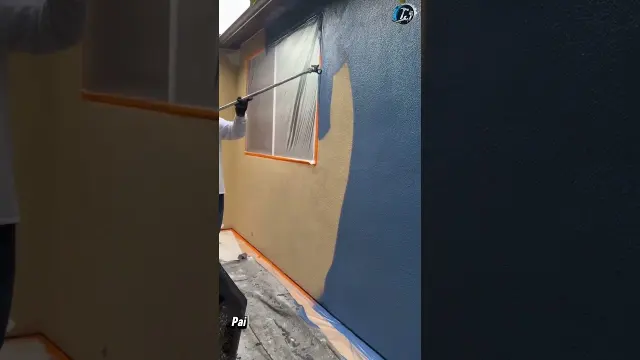
 Spray Painting a Stucco Exterior Wall Blue
#Exterior Painting
2 ideas
Spray Painting a Stucco Exterior Wall Blue
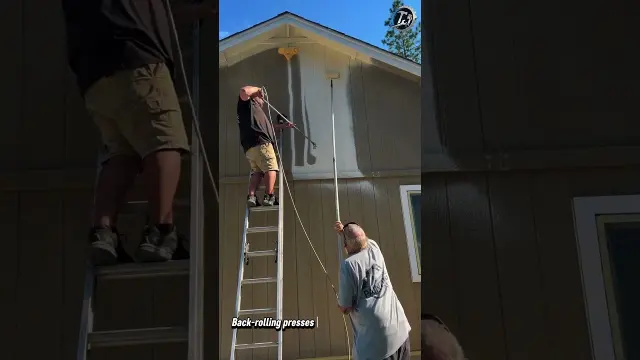 Spray and Back-Roll Technique for Exterior Wall Painting
Get new #Exterior Painting ideas by email
Every Thursday: the week's best ideas, with the newest from #Exterior Painting.
Related tags
Exterior Painting: A Beginner's Guide to a Lasting Finish
Exterior painting is the work of coating the outside surfaces of a building — walls, render, timber, metalwork, doors and trim — to protect them and to make them look right. It is one of the most visible pieces of maintenance a home needs, and also one of the most forgiving to learn, provided you accept a simple truth: most of the result is decided before the first brush touches the wall.
Why the outside needs paint
Outdoors, surfaces face sun, rain, frost and wind. Paint forms a film that keeps water out of porous materials and slows the weathering of timber and metal. When that film breaks down — chalking, flaking, cracking — moisture gets in, and repairs become far more expensive than a fresh coat. Painting on time is cheaper than painting after damage.
Know your surface
Read more
Different materials behave differently, and the paint you buy should match the wall.
- Masonry, brick and render are porous and usually want a breathable masonry paint that lets trapped moisture escape.
- Stucco and textured finishes hold a lot of surface area and reward a thicker, flexible coating.
- Timber needs a primer and a flexible paint that moves with the wood as it expands and contracts.
- Metal generally needs a rust-inhibiting primer and a suitable topcoat.
Preparation is the job
Scrape off loose and flaking paint. Sand edges where old coating meets bare surface so the transition is smooth. Wash away dirt, dust and any greasy residue, then let everything dry thoroughly. Fill cracks and holes, and spot-prime bare patches. If mould or algae has grown on a damp wall, treat it and find the source of the damp rather than simply painting over it.
Choosing paint and tools
Water-based exterior paints are easier to clean up and dry faster; solvent-based ones can be more durable on metal and some timbers. Finish matters too: matt hides imperfections, while sheen is easier to wipe clean. Buy brushes for cutting in, a roller for large flat areas, and enough masking tape and drop cloths to protect windows, doors and planting.
Techniques
Brushing and rolling suit most walls and give you control. Spraying is fast on large or heavily textured surfaces, but it drifts, so mask carefully and consider the spray-and-back-roll method: spray a section, then immediately work it in with a roller. This evens out the coating, drives paint into the texture and reduces overspray marks. Whatever the method, work in sections and keep a wet edge so overlaps don't show.
Working with the weather
Paint outside only when conditions allow. Avoid direct hot sun, which makes paint dry too quickly, and avoid rain, high wind and cold. Check the label for the temperature range the product is designed for, and leave enough dry hours after finishing.
Safety and upkeep
Wear eye protection and gloves, keep ladders stable, and never mix or store chemicals carelessly. Older paint layers may contain hazardous substances; if you are unsure what is on the wall, take advice before sanding it.
Once done, a light wash every year or so keeps the finish looking fresh — and lets you catch small failures before they turn into big ones.
#Exterior Painting: frequently asked questions
How do I start an exterior painting project?
Start by looking closely at the surface rather than at paint colours: check for flaking, cracking, mould, damp patches and bare spots, and fix those first. Then match your paint and primer to the material you are coating, and plan to work in sections so you always keep a wet edge. Most of the final result is settled in this preparation stage, long before a brush touches the wall.
What do I need before I begin painting outside?
You need scrapers and sandpaper for loose and flaking coating, something to wash down dirt and grease, filler for cracks, and a suitable primer for any bare patches. For application, brushes handle cutting in around windows and doors, a roller covers large flat areas, and masking tape and drop cloths protect glazing and planting. Add eye protection, gloves and a stable ladder, and you are equipped.
Which type of exterior paint should I choose?
Let the wall decide for you: porous masonry and render usually want a breathable coating so trapped moisture can escape, timber wants a primer plus a flexible paint that moves with the wood, and metal needs a rust-inhibiting primer under a suitable topcoat. Water-based products are easier to clean up and dry faster, while solvent-based ones often hold up better on metal and some timbers. Finish is a separate choice — matt hides imperfections, sheen wipes clean more easily.
When is the weather right for painting outside?
Avoid direct hot sun, because it makes the coating skin over too fast and dry unevenly, and stay away from rain, strong wind and cold spells. Read the product label for the temperature range it was designed for, and leave enough dry hours after you finish for the film to set properly. If conditions turn against you mid-wall, stop at a natural break rather than chasing a bad finish.
What are the most common mistakes in exterior painting?
Painting over dirt, loose flakes or damp is the classic one — the new coat fails because it never bonded to anything solid. Another is simply coating over mould or algae without tracing the damp that fed it, which guarantees the problem returns. Rushing the application, working in blazing sun, or letting sections dry before you overlap them all show up later as peeling and visible patches.
Can I spray an exterior wall, and how do I get an even finish?
Spraying is quick on large or heavily textured surfaces such as stucco, but it drifts widely, so mask windows, doors and plants carefully first. The spray-and-back-roll method solves most of the quality problem: spray a section, then immediately work the coating in with a roller to even it out, push paint into the texture and soften overspray marks. Whatever the method, keep working in manageable sections with a wet edge.
Videos come from YouTube and posts from Instagram; titles and summaries are our own. All rights belong to their creators.