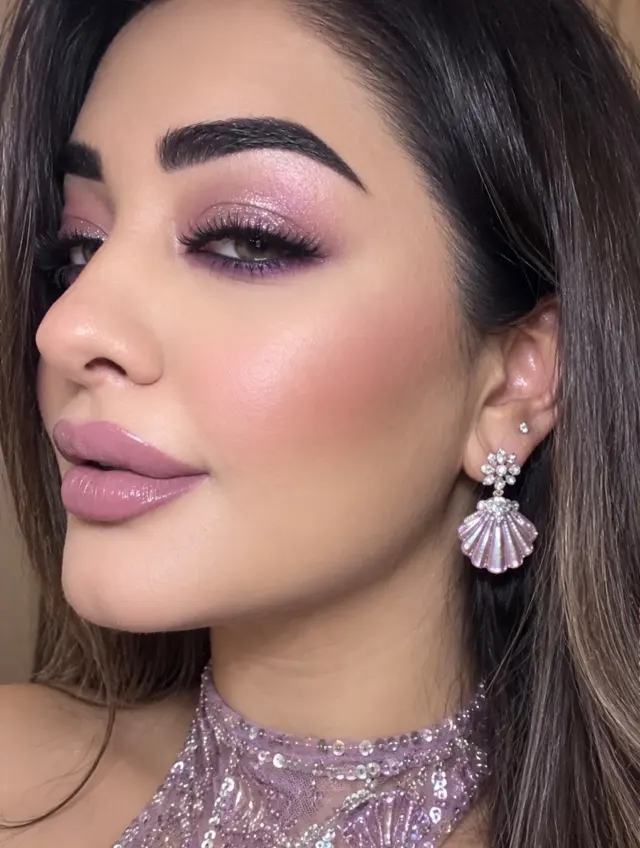
 Purple Full-Glam Makeup Look with a Full Product Breakdown
#Eyeshadow
7 ideas
Purple Full-Glam Makeup Look with a Full Product Breakdown
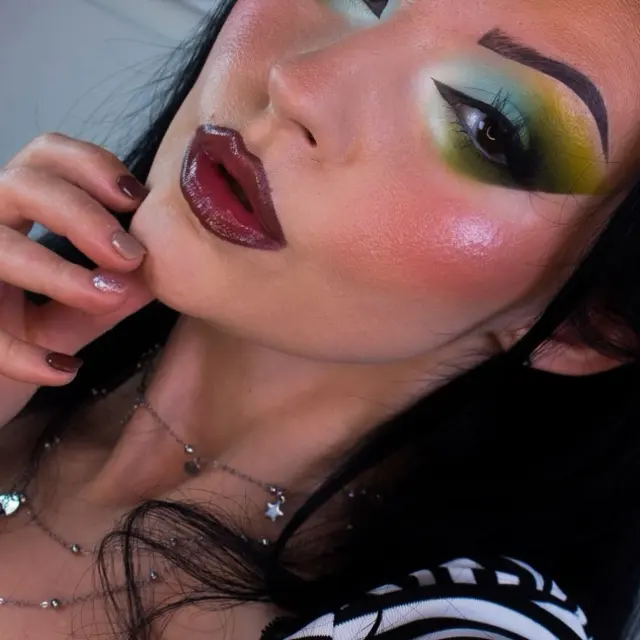 Green and Blue Cat-Eye Makeup Look with Product List
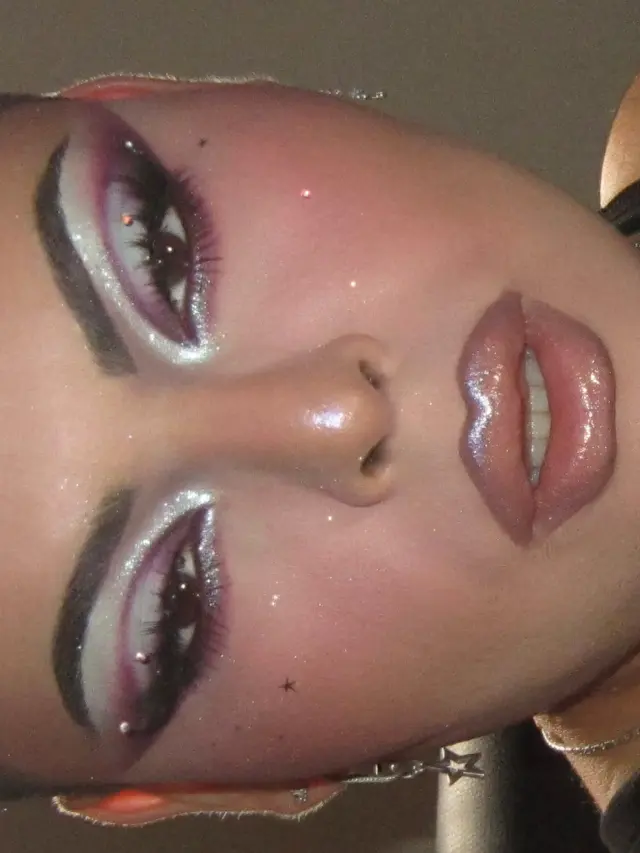 Full Face Ethereal Makeup Look With a Detailed Product Breakdown
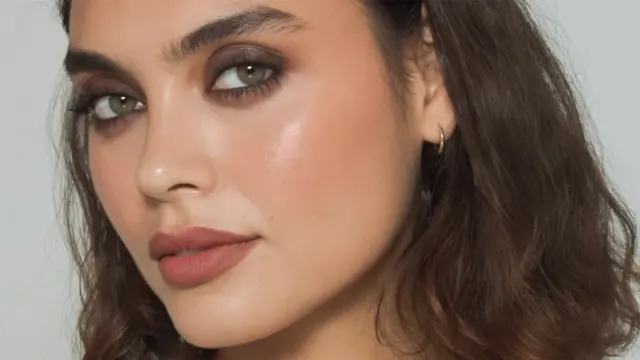 Lisa Eldridge's Quick Three-Product Chocolate Smokey Eye
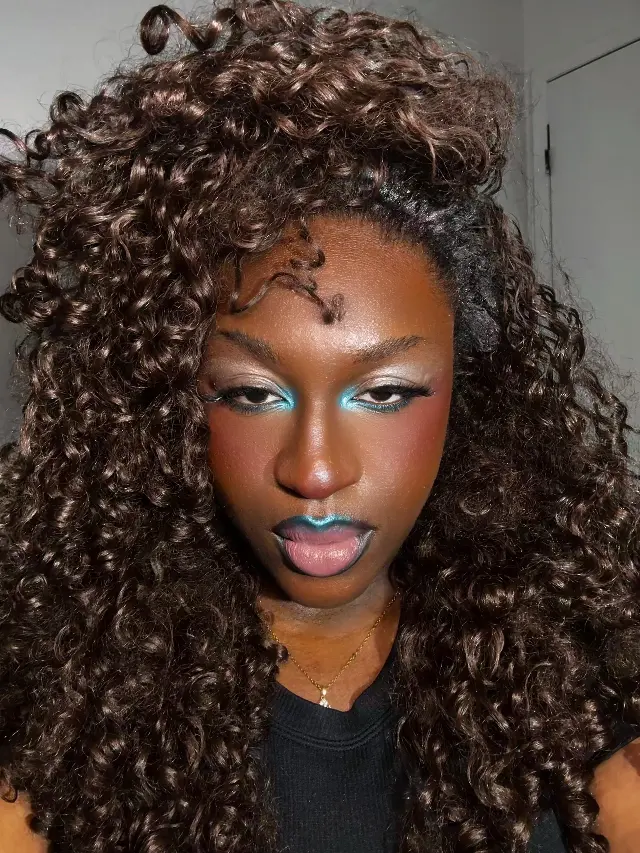 Frosty Icy Eyeshadow Look With Shimmering Metallic Finishes
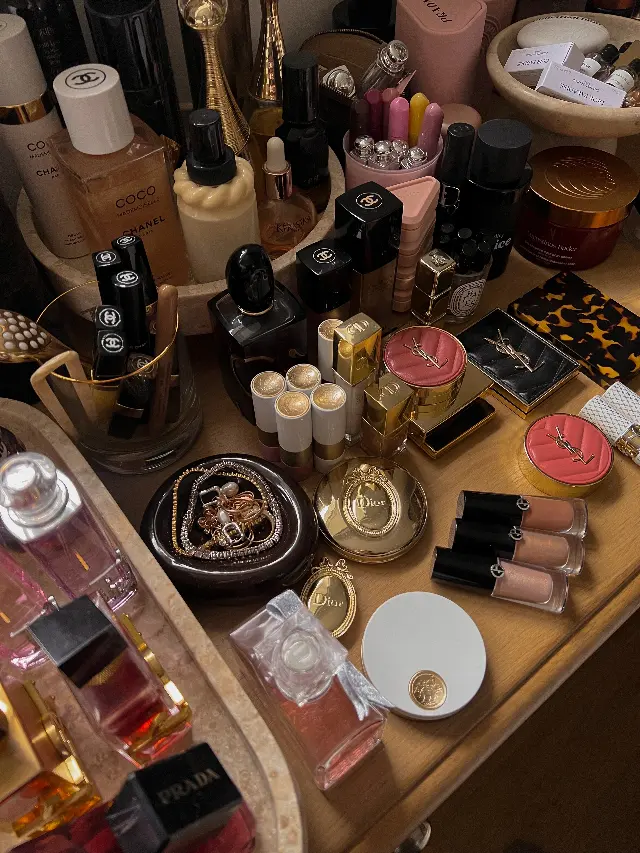 Rediscovering Armani eyeshadows for a one-minute eye look
 Eyeshadow Hack for Hooded Eyes, Step by Step
Get new #Eyeshadow ideas by email
Every Thursday: the week's best ideas, with the newest from #Eyeshadow.
Related tags
Eyeshadow: A Beginner's Guide to Colour, Texture and Blending
Eyeshadow is colour applied to the eyelids and the skin around the eyes to define, deepen or brighten the eye area. It is one of the oldest cosmetics in the world: mineral pigments have been used around the eyes for thousands of years, in ancient Egypt and across Asia and the Middle East, long before the modern palette existed. What has changed over time is not the idea but the texture and the range of colours available.
What eyeshadow is made of
Most eyeshadow is a blend of pigments for colour, fillers such as talc or mica for texture, and binders that hold it together and help it cling to the skin. Shimmer comes from light-reflecting particles; matte shades contain more filling ingredients and no shimmer at all. This is why a matte brown and a shimmering bronze of the same colour can behave completely differently on the lid.
The main formulas
Read more
- Powder: the most common type, easy to blend and available in every finish. Pressed powder is convenient; loose pigment is more intense but messier.
- Cream: rich and blendable, good for dry lids and for a soft wash of colour with your fingers.
- Liquid and stick formats: quick to apply and long-wearing, but they set fast, so they leave less room for correcting mistakes.
- Baked and mineral: often applied damp for stronger colour.
Finishes and what they do
Matte shades absorb light and are best for contouring the crease and defining the outer corner. Satin sits between matte and shimmer and is forgiving on most lids. Shimmer and metallic finishes catch light and bring the lid forward, which makes them useful on the centre of the eye or the inner corner. Glitter is the boldest of all and needs a sticky base to stay put.
Placement, not just colour
Think of the eye in zones. A light shade on the lid or inner corner opens the eye, a mid-tone through the crease adds depth, and a darker shade at the outer corner shapes it. Blending between the zones is what makes the result look soft rather than striped. Hooded or deep-set eyes often suit the crease work placed slightly higher and a lighter lid, so the colour stays visible when the eye is open.
Practical tips for beginners
Start with two or three shades in the same family and build slowly; you can always add more colour, but removing it means starting again. Use a small brush for precision and a clean, fluffy one to soften edges. An eyeshadow primer or a thin layer of concealer helps colour last and stops it creasing. Tap off excess powder before applying, and keep a clean cotton bud nearby for stray flecks. Cream and powder can be layered, but cream first, powder on top.
Finally, remember that light matters: colours look different in daylight, indoor light and on camera. Try a look in the room where you will actually wear it, and give yourself time to practise.
#Eyeshadow: frequently asked questions
How do I start with eyeshadow if I’m a beginner?
Begin with a small set of shades in the same colour family and build the look slowly. Use a light shade on the lid, a mid-tone in the crease, and a deeper shade at the outer corner, then blend the edges so the colour looks soft and even.
Which eyeshadow formula is easiest to use?
Powder eyeshadow is usually the easiest starting point because it blends well and comes in many finishes. Cream formulas are also beginner-friendly for a quick, soft wash of colour, while liquid and stick formulas are better once you feel comfortable because they set faster.
How do I choose the right eyeshadow finish for my look?
Matte shades are great for shaping the crease and adding depth, while satin finishes give a smooth look that works on most lids. Shimmer or metallic shades are ideal when you want the lid or inner corner to catch the light, and glitter works best for a bolder, more dramatic effect.
What do I need to make eyeshadow last longer and look smoother?
A primer or a thin layer of concealer on the lid helps the colour stay in place and reduces creasing. It also helps to tap off extra powder, use a small brush for placement, and keep a clean fluffy brush nearby to soften any harsh lines.
How can I adapt eyeshadow for hooded or deep-set eyes?
Try placing the crease colour slightly higher so it stays visible when the eye is open. A lighter shade on the lid and a carefully blended darker shade at the outer corner can help open and shape the eyes without making them look heavy.
What are common mistakes to avoid with eyeshadow?
Using too much product at once can make the look harder to blend, so it is better to start lightly and add more if needed. Skipping blending, applying shimmer everywhere, or ignoring the lighting you will wear it in can also make the result look uneven or different from what you expected.
Videos come from YouTube and posts from Instagram; titles and summaries are our own. All rights belong to their creators.