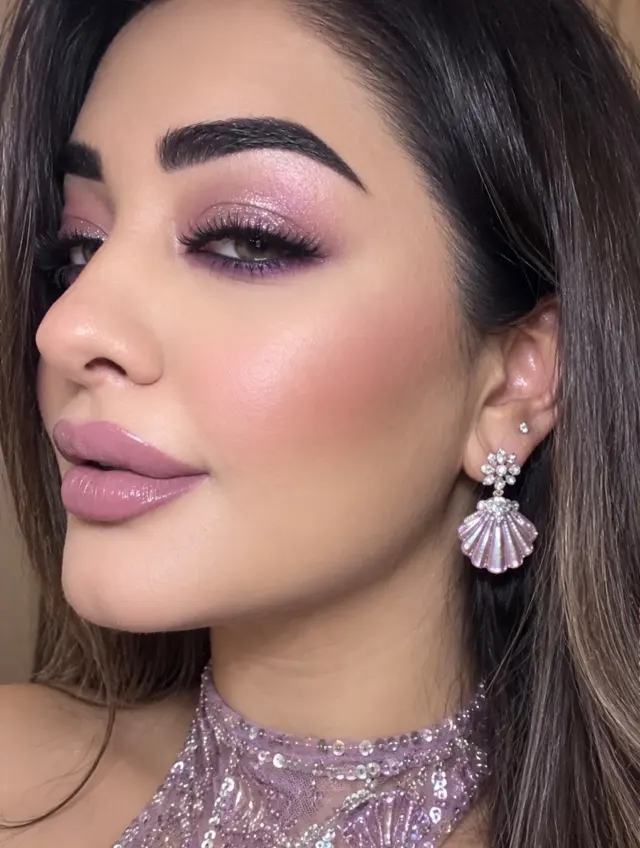
 Purple Full-Glam Makeup Look with a Full Product Breakdown
#Lip Gloss
3 ideas
Purple Full-Glam Makeup Look with a Full Product Breakdown
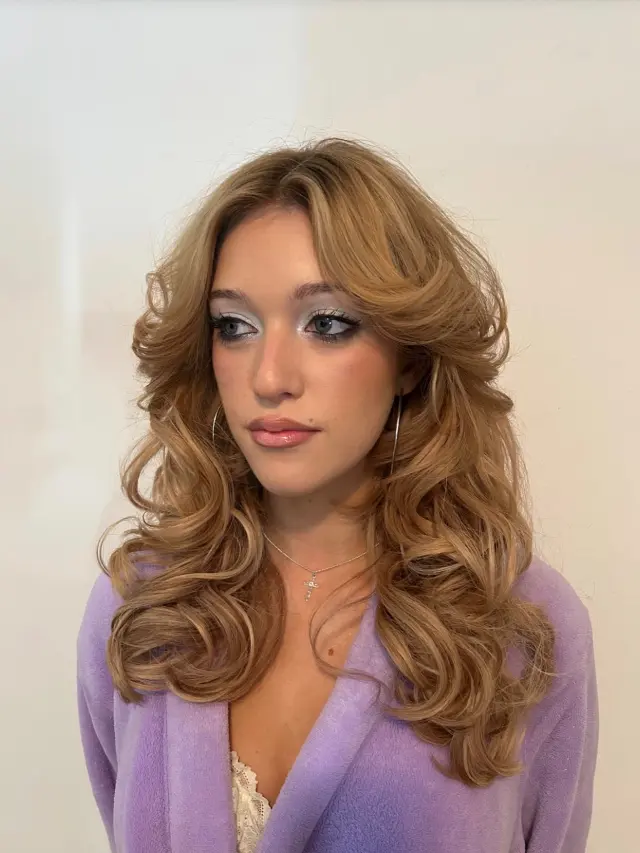 Makeup Artist Revisits a 2004 Look With Classic MAC Lipglass
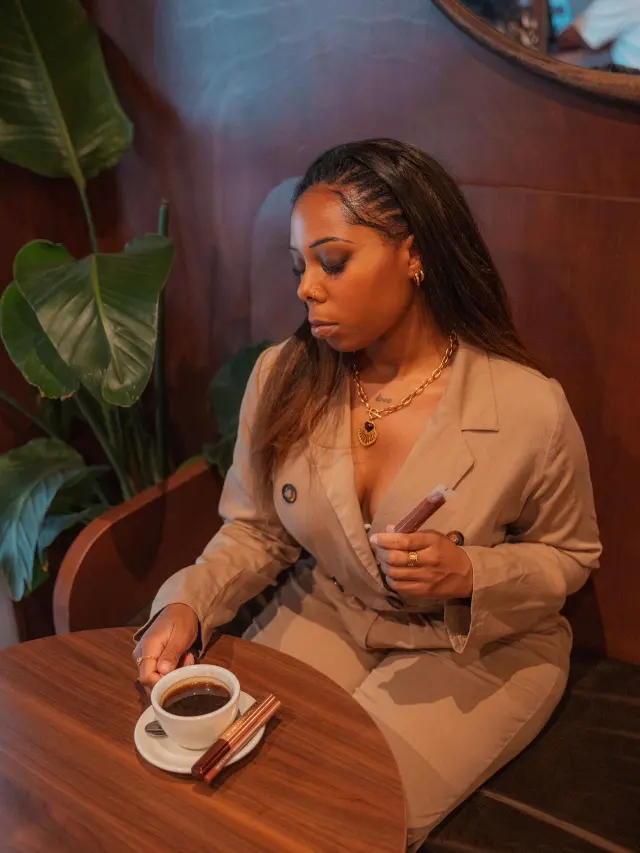 Espresso Makeup Look Built on Brown Lip Liner and Gloss
Get new #Lip Gloss ideas by email
Every Thursday: the week's best ideas, with the newest from #Lip Gloss.
Related tags
Lip Gloss: A Beginner's Guide to Shine, Tint and Texture
Lip gloss is a cosmetic made to add shine, a hint of colour, or a softer texture to the lips. Where a lipstick is built around pigment, a gloss is built around reflection: its base is usually a blend of oils, waxes and gels that sits on the surface of the lips and catches the light, with colour and shimmer added on top. That lightness is exactly why it feels different from lipstick — it hydrates and smooths the look of the lips, but it wears away faster, especially when you eat or drink.
The main types
The simplest distinction is between clear and tinted gloss. A clear gloss adds shine alone; a tinted one carries a wash of colour, from a barely-there blush to something close to a lipstick. Shimmer and pearl versions contain fine reflective particles that make lips look fuller in photographs. Sheer finishes feel easy and everyday, while opaque, high-pigment glosses behave more like a liquid lipstick.
There are also oil-based glosses, which feel slippery and comfortable and tend to leave a dewy finish, and thicker, cushiony textures that stay put longer but can feel heavier. Plumping glosses usually rely on a mild tingling sensation; if that feeling is unpleasant or irritating for you, it is perfectly reasonable to skip them and choose a plain gloss instead.
Read more
Choosing one
Think about what you want it to do. For everyday wear, a tinted gloss in a shade close to your natural lip colour is the most forgiving choice — it fades without obvious edges. For evening or photography, a shimmer or high-shine finish catches light beautifully. If your lips are dry, an oil-based or balm-like formula will feel kinder than a thin, sticky one.
Texture matters as much as colour. A gloss that is too thick can feel sticky and catch on hair in the wind; one that is too thin disappears within minutes. It is worth testing how a formula feels on the back of your hand before committing.
Application tips
Start with smooth lips. Gentle exfoliation — a soft cloth or a light scrub — and a thin layer of balm make a visible difference to how evenly gloss sits. Blot any excess balm before applying, or the gloss will slide.
Apply from the centre of the lip outwards, then press your lips together once to spread it. A little goes a long way; two thin layers look better than one heavy one. For extra definition, outline the lips with a liner close to your own tone before adding gloss — this gives shape without a hard edge. Gloss can also be layered over a matte lipstick to soften it and add dimension.
Making it last
Gloss is meant to be reapplied, so keep it with you and top up after meals rather than fighting it. Keep the applicator clean, close the cap firmly, and store it away from direct heat, which can separate the formula. With a little care, gloss is one of the easiest ways to make a face look fresh and rested.
#Lip Gloss: frequently asked questions
How do I choose a lip gloss that suits everyday wear?
A tinted gloss in a shade close to your natural lip colour is the most forgiving for daily use, because it fades gradually without leaving a visible edge. If your lips tend to feel dry, look for an oil-based or balm-like texture rather than a thin, sticky one. Testing a formula on the back of your hand first tells you a lot about how it will feel.
What do I need before applying lip gloss?
Smooth lips matter more than anything else, so a gentle exfoliation with a soft cloth or light scrub followed by a thin layer of balm gives the gloss an even surface to sit on. Blot away any excess balm before you start, since leftover product makes the gloss slide around. A liner close to your own lip tone is optional but helpful for shape.
How should I apply lip gloss so it looks natural?
Work from the centre of the lip outwards, then press your lips together once to spread the product evenly. Two thin layers generally look better than one heavy coat, which can gather and feel sticky. Layering gloss over a matte lipstick is an easy way to soften the finish and add dimension.
Why does my lip gloss disappear so quickly, and how can I make it last longer?
Gloss is designed to wear away — its shine comes from sitting on the surface of the lips, so eating, drinking and talking all break it down. The practical answer is to carry it with you and top up after meals rather than trying to make one application stay put. Keeping the applicator clean, closing the cap firmly and storing it away from direct heat also keeps the formula in good condition.
What are common mistakes people make with lip gloss?
The most frequent ones are applying too much at once and skipping lip preparation, both of which lead to stickiness, uneven patches or gloss that catches on hair in the wind. Choosing an overly thick formula for daytime, or a very thin one that vanishes in minutes, is another easy trap. Feeling uncomfortable with the tingling of a plumping gloss is also perfectly valid — a plain gloss works just as well.
Which lip gloss finish works best for an evening out or photos?
A shimmer or high-shine finish reflects light and makes lips read as fuller in photographs, which is why it suits evening looks. For a more polished result, outline the lips first with a liner close to your natural tone so the shape stays defined under all that shine. Sheer finishes are better saved for relaxed, daytime wear.
Videos come from YouTube and posts from Instagram; titles and summaries are our own. All rights belong to their creators.