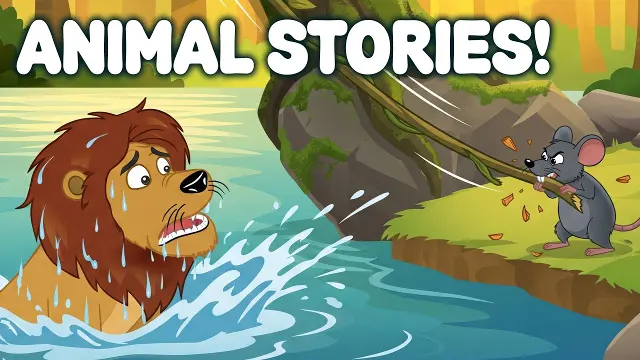
 Classic Animal Fables and Moral Stories for Children
#Fables
1 ideas
Classic Animal Fables and Moral Stories for Children
Get new #Fables ideas by email
Every Thursday: the week's best ideas, with the newest from #Fables.
Related tags
Fables: Timeless Short Stories with a Lesson
Fables are short fictional stories that usually end with a clear lesson or moral. They often feature animals, but they can also include people, natural forces, or imagined characters. The appeal of a fable is its simplicity: it tells a memorable story and leaves you with a message about behavior, wisdom, or human nature.
What fables are
A fable is different from a fairy tale or a myth. Fairy tales often focus on wonder, magic, and adventure, while myths explain the world, gods, or cultural beliefs. Fables are usually brief and direct. Their purpose is to teach, often through contrast: kindness and selfishness, patience and haste, honesty and trickery, humility and pride.
Many fables use animals because they make human traits easy to recognize. A fox may stand for cleverness, a tortoise for steadiness, or a wolf for danger. These characters are not meant to be realistic animals. They are symbols that help the story feel immediate and easy to remember.
Read more
Where fables come from
Fables have very old roots and appear in many cultures around the world. They have been passed down orally for generations and later collected in written form. Because they are short and memorable, they travel easily from one place to another and often adapt to local traditions.
You may know fables from classical storytelling traditions, but similar short moral tales also appear in African, Asian, Middle Eastern, and European folklore. This wide spread is one reason fables remain familiar across different languages and ages.
Common kinds and styles
Fables can vary, but they often share a few features:
- A small number of characters
- A simple conflict or problem
- A clear outcome
- A moral lesson, stated directly or implied
Some fables are humorous, using wit or irony to make a point. Others are serious and cautionary. Some end with an explicit moral sentence, while others let you infer the lesson yourself.
What beginners should know
If you are reading or writing fables, keep the story focused. A fable is usually strongest when it stays short and clear. One central idea is better than several competing messages. The characters should be easy to understand, and the ending should feel connected to the lesson.
When writing a fable, ask yourself:
- What behavior or attitude do I want to explore?
- Which characters can symbolize that idea clearly?
- What simple conflict will reveal the lesson?
Avoid making the moral too heavy-handed. The best fables feel natural, not preachy. A memorable image, a clever twist, or a sharp ending often makes the lesson easier to remember.
Why fables still matter
Fables remain useful because they speak in simple terms about lasting human habits: greed, pride, trust, caution, generosity, and self-control. They are often read by children, but they can be meaningful for adults too. Their strength lies in their clarity. In just a few lines, a fable can capture a truth that feels surprisingly familiar.
Whether you read them for pleasure, teaching, or inspiration, fables offer a compact way to think about values and choices. That is why these old stories continue to feel fresh, even after centuries of retelling.
Videos come from YouTube and posts from Instagram; titles and summaries are our own. All rights belong to their creators.