 Adopting a Dog Returned to the Shelter Three Times
#Animal Stories
4 ideas
Adopting a Dog Returned to the Shelter Three Times
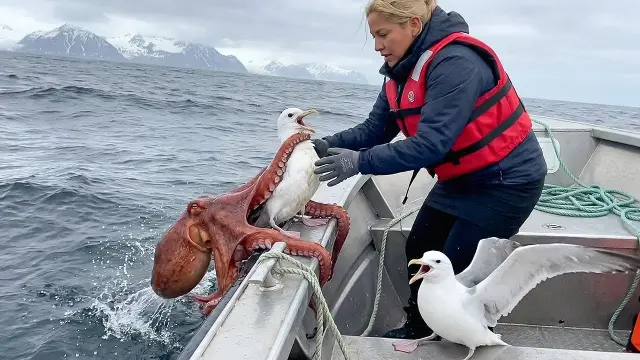 Heartwarming Moments of Wild Animals Asking Humans for Help
 An Unexpected Morning Dog Rescue
 Shelter's Longest Resident Hugs Her New Owner
Get new #Animal Stories ideas by email
Every Thursday: the week's best ideas, with the newest from #Animal Stories.
Related tags
Animal Stories: A Gentle Guide to the Genre
Animal stories are tales in which animals take the lead, whether they behave like real creatures or speak and think like people. They appear in folktales, fables, picture books, novels, and oral storytelling traditions around the world. Some are simple and playful; others carry moral lessons, explore friendship and loss, or show the bond between humans and animals.
What animal stories are
At their heart, animal stories use animals to make a point, create wonder, or reflect human life in a fresh way. Sometimes the animals are fully realistic, with natural behavior and instincts. In other stories, they are symbolic or humanlike, with voices, clothes, homes, and feelings that mirror our own. This flexibility is part of the genre’s appeal: animals can be comforting, funny, wise, brave, or vulnerable without feeling limited by ordinary human roles.
Where they come from
Read more
Animal stories are among the oldest forms of storytelling. Long before books were common, people told tales about clever foxes, patient donkeys, loyal dogs, and powerful lions. These stories often helped explain the world, share values, or pass on lessons to children. Fables, in particular, use animals to present short, memorable ideas about behavior, choices, and consequences. Folk tales and legends also often feature animals as helpers, tricksters, or guides.
Main kinds and styles
There are many ways to tell an animal story:
- Fables use animals to teach a clear lesson.
- Folktales and fairy tales often give animals magical or symbolic roles.
- Realistic animal stories focus on an animal’s actual behavior, emotions, and environment.
- Anthropomorphic stories give animals human speech, thoughts, and social lives.
- Rescue and companionship stories explore the relationship between animals and people.
Each style creates a different effect. Fables are usually brief and direct. Realistic stories tend to be more atmospheric and emotionally grounded. Humanlike animal tales can be funny, tender, or adventurous.
What beginners should know
If you want to write or enjoy animal stories, start by deciding how real your animals should feel. A story can work beautifully with talking animals, but their actions still need to feel consistent. If an animal behaves like a person, give it a clear personality and rules. If you choose a realistic approach, observe how animals move, react, and communicate in subtle ways.
A strong animal story often depends on contrast: a small creature facing a big problem, a wild animal forming trust with a human, or a familiar pet revealing unexpected courage. Keep the emotions clear and the details simple enough to stay believable.
Practical tips for reading or writing them
- Choose one main animal perspective if you want the story to feel focused.
- Use behavior, gesture, and setting to reveal character.
- Avoid making every animal sound the same.
- Let the animal’s nature shape the plot.
- If the story has a lesson, keep it natural rather than preachy.
Animal stories endure because they are both familiar and imaginative. They let us see kindness, fear, loyalty, and curiosity through another set of eyes, and that makes them timeless.
Videos come from YouTube and posts from Instagram; titles and summaries are our own. All rights belong to their creators.